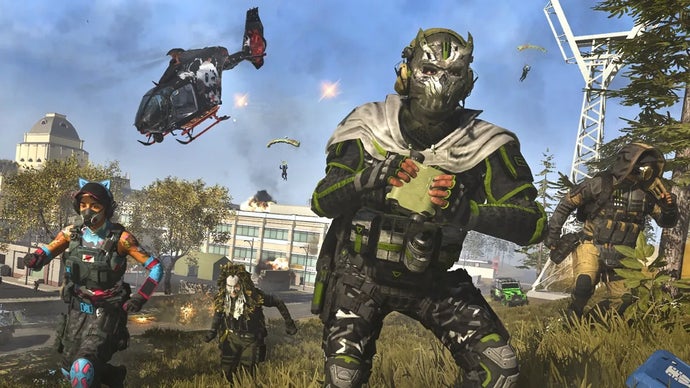
In a move that has surprised the community, Activision has announced the definitive shutdown of Call of Duty: Warzone Mobile servers, scheduled for next April. This decision marks the end of an ambitious project that sought to bring the battle royale experience to mobile devices, but ultimately failed to consolidate the player base necessary for its long-term sustainability. The announcement was made through an official statement on the game's social media channels, where the company thanked players for their support during the title's operational period.
The context of this shutdown is framed within a hyper-competitive mobile market, dominated by titles like PUBG Mobile and Garena Free Fire, which have managed to establish more solid gaming ecosystems and more active communities. Despite having the backing of one of the most powerful franchises in the video game world, Warzone Mobile faced technical challenges from its launch, including performance issues on mid-range devices and limited integration with console and PC version progression. Data from industry analysts suggests the game failed to surpass a player retention rate above 15% after the first three months, a critical figure for the free-to-play business model.
In statements gathered by specialized media, an Activision spokesperson stated: 'This was a difficult, but necessary decision. Our resources will be refocused on improving and expanding the Call of Duty experiences on other platforms where we see greater engagement and growth potential.' The news has generated a wave of reactions on forums and social media, where players express their disappointment, although some acknowledge the game's persistent issues. The immediate impact will be the deactivation of all in-app purchases starting today, while servers will remain active until the April deadline, allowing users to enjoy the game one last time.
In the long term, this shutdown raises questions about Activision's mobile strategy and its ability to compete in a key segment of the global market. The conclusion is clear: even with a powerful IP, success in the mobile sphere requires not only a recognized name, but also impeccable technical execution, a unique value proposition, and a constant ability to listen and adapt to the community. The legacy of Warzone Mobile will undoubtedly serve as a case study for future launches in the industry.