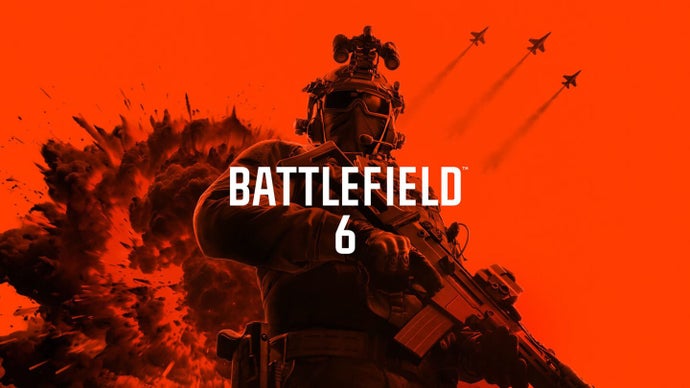
In a move that has shaken the video game industry, Electronic Arts (EA) has begun a round of selective layoffs across several of its development studios, including those responsible for the recent and successful launch of 'Battlefield 6'. Despite the title, released in late 2024, positioning itself as one of the best-selling games of 2025, exceeding commercial expectations and receiving generally positive reviews for its innovative gameplay and cutting-edge graphics, the parent company has decided to restructure its teams. According to internal sources close to the matter, the cuts would primarily affect post-launch support departments, quality assurance, and some development roles associated with already delivered content, in an attempt to 'optimize resources' for future projects.
The context for this decision fits within a broader trend in the technology and gaming industry, where, after periods of accelerated expansion during the pandemic, many companies are reevaluating their cost structures. EA, in particular, had made significant hires to ensure the ambitious development cycle of Battlefield 6, a project considered crucial to compete directly with franchises like 'Call of Duty'. The game effectively captured a substantial market share, with sales reports exceeding 10 million copies in its first months. However, the transition from the intensive development and launch phase to a phase of ongoing maintenance and support appears to have motivated this restructuring.
Although EA has not provided a global exact figure, analyst estimates suggest the layoffs could affect several hundred employees at studios like DICE (Stockholm), Criterion (Guildford), and Ripple Effect (Los Angeles), all involved in the Battlefield ecosystem. In an official statement, an EA spokesperson stated: 'As part of our ongoing business evaluation, we are making adjustments to our teams to better align with our long-term strategy and the priorities of our players. These are difficult, but necessary steps, and we are committed to supporting our colleagues during this transition.' The statement emphasized the ongoing commitment to the Battlefield franchise and its communities.
The impact of these layoffs is multifaceted. For affected employees, it means immediate uncertainty in a job market that, while specialized, is also competitive. For the player community, concerns arise about the future support of the game, including the pace of content updates, balance patches, and the promised seasonal content plan. Industry analysts note that, while painful, this move could be a signal that EA is redirecting resources toward new projects or the next iteration of the franchise, potentially accelerating the development cycle. However, it also highlights the volatility and financial pressures faced even by studios behind the most successful releases.
In conclusion, the layoffs at the Battlefield 6 studios represent a paradox of the modern video game industry: commercial success does not always guarantee job stability. As EA seeks to optimize its operation for the future, the immediate legacy of one of the year's best-selling games is tarnished by human uncertainty. The episode serves as a stark reminder that, behind blockbuster titles, there are teams of developers whose destinies are intimately tied to high-level corporate decisions. The path forward for the Battlefield franchise will depend on how the company manages this delicate balance between financial efficiency and maintaining the talent and morale necessary to innovate.