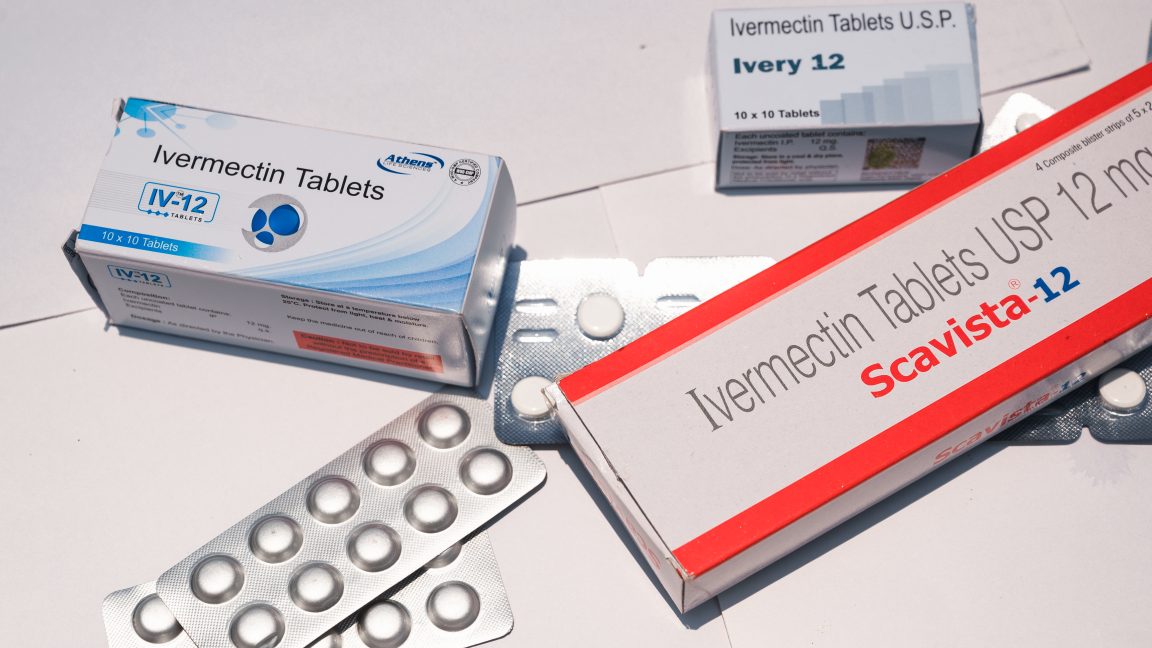
A study investigating the use of the deworming drug ivermectin as a potential cancer treatment, funded by the U.S. National Institutes of Health (NIH) and publicly endorsed by political figure and activist Robert F. Kennedy Jr., has ignited fierce controversy within the scientific and medical communities. The research, which examines whether this antiparasitic medication can inhibit tumor growth, is labeled by numerous experts as "absurd" and a dangerous diversion of resources and attention in the fight against cancer, especially following the unproven promotion of ivermectin for COVID-19. This case rekindles the debate over rigor in the allocation of public funds for science and the risks of medical misinformation.
The context of this study is inextricably linked to ivermectin's recent history. Developed decades ago and a Nobel Prize winner for its efficacy against parasitic diseases like river blindness, the drug gained global fame during the pandemic as an unauthorized and widely discredited treatment for coronavirus, promoted by figures opposed to vaccines. Robert F. Kennedy Jr., known for his anti-vaccine stance and skepticism toward established health institutions, has been one of its most vocal defenders. His public endorsement of this new line of cancer research, which he has referenced in speeches and on social media, adds a layer of political polarization and distrust that overshadows a purely scientific evaluation of the hypothesis.
Details of the study, which received funding through the NIH grant program, indicate it focuses on specific cellular mechanisms. Some very preliminary preclinical studies, primarily in cell cultures and animal models, have suggested that ivermectin might have certain anti-tumor effects at very high doses, possibly interfering with cellular signaling pathways. However, the vast majority of the oncology community emphasizes that these findings are extremely early-stage, have not been robustly replicated, and are light-years away from demonstrating safety and efficacy in humans. "Directing limited federal funds to this, at a time when ivermectin is laden with misinformation, is a questionable decision that can give oxygen to pseudoscientific narratives," stated Dr. Elena Ruiz, an oncologist and researcher at the MD Anderson Cancer Center. "We have dozens of promising, validated therapies in immunotherapy and precision medicine that deserve priority," she added.
The impact of this controversy is multifaceted. First, it generates concern among cancer patients and their families, who, in their desperation, might seek unproven treatments based on sensationalist headlines, delaying or abandoning effective therapies with serious risks to their health. Second, it erodes public trust in funding agencies like the NIH, which must navigate between fostering innovative science and avoiding projects with weak scientific foundations that can be instrumentalized politically. Finally, the case illustrates the perennial challenge of scientific communication in the digital age, where a laboratory hypothesis can be quickly distorted on social media into a "miracle discovery" hidden by pharmaceutical companies.
In conclusion, while the NIH-funded study on ivermectin and cancer continues its course in the academic realm, its public significance is being shaped more by political noise and narratives of distrust than by the scientific method. Experts insist that the path to approving any cancer treatment is long, rigorous, and fraught with failure, even for promising molecules. The fundamental lesson, they stress, is that patients must always consult with their oncologists and base their decisions on solid, consensus evidence, not on unfounded hopes fueled by controversy. Science advances with skepticism and verification, not with viral claims.