A Russian court has sentenced nineteen individuals for their involvement in the deadly terrorist attack on the Crocus City Hall concert venue on the outskirts of Moscow, an event that shocked the nation and the world. The defendants, whose identities have been partially disclosed by judicial authorities, face penalties ranging from lengthy prison terms to life imprisonment on charges of terrorism, murder, and organizing a terrorist group. The attack, which occurred in March, resulted in over 140 fatalities and hundreds of injuries, marking one of the bloodiest episodes in Russia's recent history.
The judicial process, held behind closed doors at the Moscow City Court, proceeded with unusual swiftness, reflecting the political and social pressure to deliver justice rapidly. Prosecutors presented an extensive dossier of evidence, including CCTV footage, survivor testimonies, forensic analyses, and recorded confessions from several accused. The defense, in some cases, argued coercion during interrogations, claims dismissed by the judicial panel. The verdict underscores the Kremlin's determination to show firmness in the face of terrorism, especially within a context of geopolitical tensions.
Among those convicted are the alleged perpetrators of the attack, as well as individuals accused of facilitating logistics, funding, and logistical support to the terrorist cell. Russian authorities have linked the assault to the Islamic State (ISIS) group, although initial suggestions pointed to a possible connection with Ukraine, an allegation firmly denied by Kyiv and its Western allies. The sentencing comes at a time of high national security sensitivity, with Russia engaged in conflict in Ukraine and facing international sanctions. Analysts note that the process aims to achieve both justice and send a deterrent message to potential malign actors.
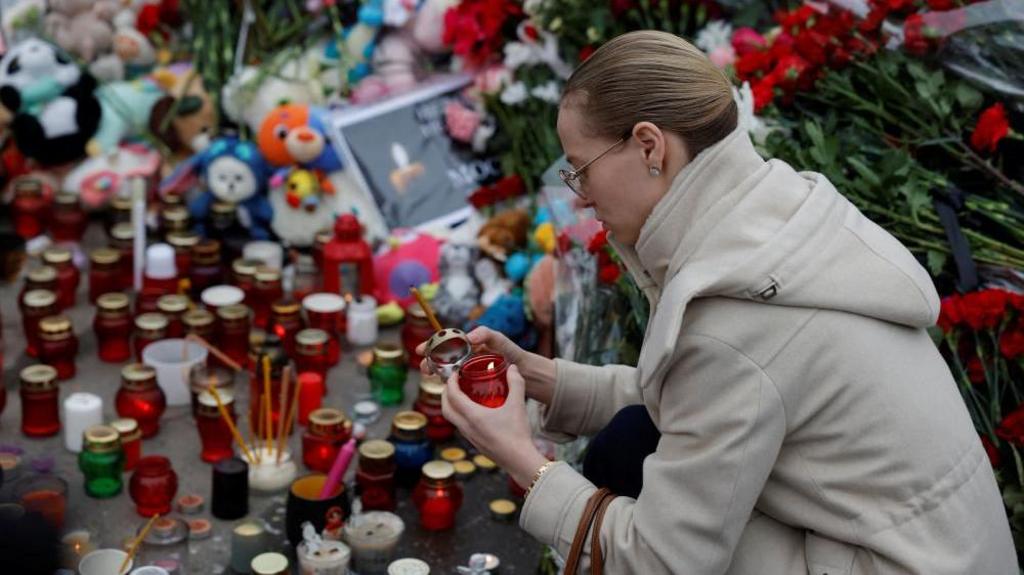
The impact of the attack and the subsequent convictions reverberates on multiple levels. For the victims' families, the verdict represents a first step toward closure, though the pain of loss endures. In the realm of security policy, Russia has reinforced measures in public spaces and reviewed its counter-terrorism protocols. Internationally, the case has reignited debates on the efficacy of counter-terrorism cooperation and the challenges of combating violent extremism in an era of hybrid conflicts. The conclusion of this trial does not mark the end of the story, but a chapter in the long fight against terrorism, reminding us of the vulnerability of open societies and the constant need for vigilance, resilience, and justice.