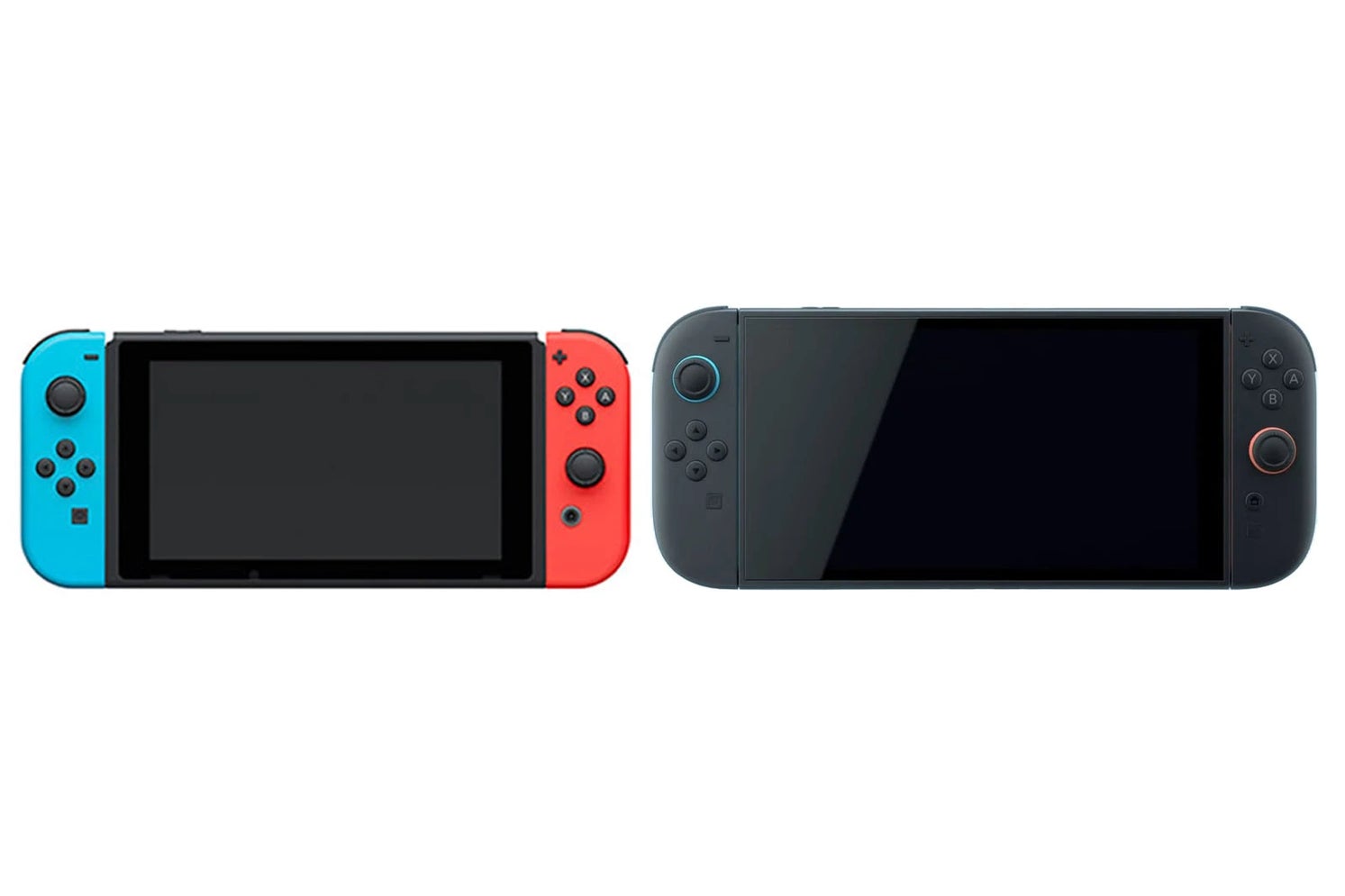
Nintendo has reached a historic milestone in the video game industry. The Nintendo Switch console has officially surpassed the Nintendo DS as the best-selling system in the Japanese company's history, with a total of 155.37 million units sold globally. This achievement cements the Switch, launched in March 2017, as an unprecedented sales phenomenon, combining the success of the home and portable markets into a single device.
The context of this record is even more impressive when considering the console's lifecycle. The Switch overtook the Wii (101.63 million) several years ago and has now surpassed the long-lasting Nintendo DS, which held the top spot with 154.02 million units. This sustained growth, even in a mature stage of its cycle, demonstrates the continued strength of its game catalog and its appeal to a broad audience. Titles like 'The Legend of Zelda: Tears of the Kingdom', 'Super Mario Bros. Wonder', and the evergreen 'Animal Crossing: New Horizons' have continued to drive both hardware and software sales.
Parallel to this announcement, Nintendo has revealed equally significant data about its successor, internally referred to as 'Switch 2'. According to internal sources and supply chain reports, production and shipment of the new console units have already begun, with an estimated 17.37 million units prepared for its initial launch. This figure suggests an aggressive strategy by Nintendo to meet the anticipated high demand and avoid the stock shortages that plagued other platforms in previous generations.
Industry analysts, such as Dr. Serkan Toto from Kantan Games, comment: 'Nintendo is executing a near-perfect hardware transition. The original Switch is ending its cycle at the absolute top, while the next console arrives with monumental momentum and a loyal user base ready for the upgrade.' This approach aims to create a smooth bridge between generations, allowing for software compatibility and preserving users' vast digital libraries.
The impact of this dual announcement is multifaceted. For consumers, it confirms that the Switch ecosystem will remain central to Nintendo for the coming years. For developers, it offers stability and a clear landscape for planning future projects. In the financial market, it reinforces Nintendo's position as an industry pillar, capable of maintaining relevance and profitability in a competitive environment dominated by Sony and Microsoft.
In conclusion, the Nintendo Switch era is crowned as the most commercially successful for the Kyoto-based company. While its legacy is secured with record numbers, the preparations for the 'Switch 2' indicate that Nintendo does not plan to rest on its laurels. The transition strategy appears designed to retain the current player base while attracting new ones, using the momentum of one of history's most beloved consoles to launch its successor into another potentially historic cycle of success.