Global energy markets have hit a significant and concerning milestone this week, with the price of a barrel of Brent crude oil breaking through the psychological barrier of $100 for the first time since September 2018. This surge, which has pushed the international benchmark to trade around $101, marks an inflection point in an upward trend that has been accelerating for months, fueled by an explosive combination of geopolitical factors, supply constraints, and global demand that has proven more resilient than expected. The last time oil reached these levels, the world was a very different place, pre-COVID-19 pandemic, and its return raises serious questions about global economic stability and inflationary pressures.
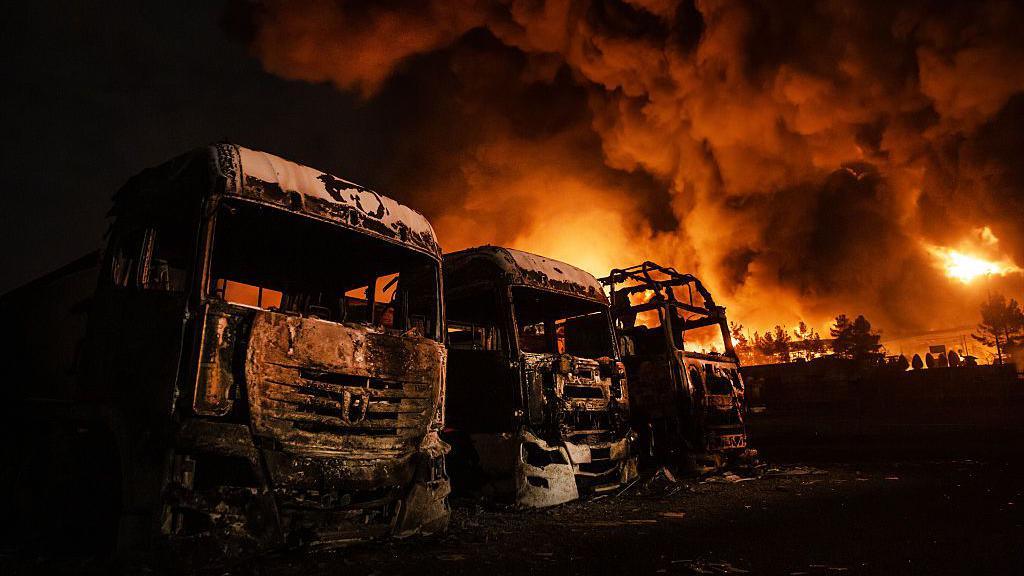
The immediate context for this jump lies in escalating tensions in the Middle East, specifically recent airstrikes and a conflict escalation that directly threatens oil production and transportation in one of the world's most critical supply regions. However, this is merely the spark that has ignited a powder keg long in the making. OPEC+'s decision to maintain stricter-than-anticipated production cuts, coupled with a strong recovery in demand for aviation and road transport fuel, has created a tight market where any disruption has an amplified effect. Crude oil inventories in OECD countries are at multi-year lows, reducing the safety cushion on which consumers rely.
The data is telling. Brent, the benchmark for over 60% of internationally traded oil, has risen more than 15% since the start of the year. Analysts from firms like Goldman Sachs and JP Morgan had already warned of the possibility of prices touching $100 in the first half of the year, but the speed of the move has surprised many. "The market is operating in an environment of structural scarcity," declared a senior analyst at Rystad Energy. "Insufficient investment in new production over the past several years, combined with fiscal discipline from major producers, has left little spare capacity to respond to unexpected crises." This scarcity is reflected in the widening 'backwardation' in futures markets, where near-term contracts are more expensive than longer-dated ones, a classic signal of immediate supply tightness.
The impact of this new price threshold will be profound and far-reaching. For net oil-importing economies, particularly in Europe and Asia, it means an immediate increase in their import bills, which will further fuel inflation and pressure central banks to maintain or even tighten restrictive monetary policies. For consumers, it will translate into higher prices at the pump, for airline tickets, and for freight transport costs, making a wide range of goods and services more expensive. Conversely, for exporting countries like Saudi Arabia, the United Arab Emirates, or Norway, it represents a fiscal tailwind that will improve their balance sheets and spending capacity.
In conclusion, breaching the $100 barrier is not an isolated event but a symptom of a deeply unbalanced and crisis-vulnerable global energy market. While a technical correction is possible, the fundamentals point to prices remaining elevated for the foreseeable future, with all the implications this holds for economic growth, the energy transition, and geopolitical stability. The era of cheap energy appears to be firmly in the rearview mirror, forcing governments, businesses, and citizens to adapt to a new and more volatile reality.