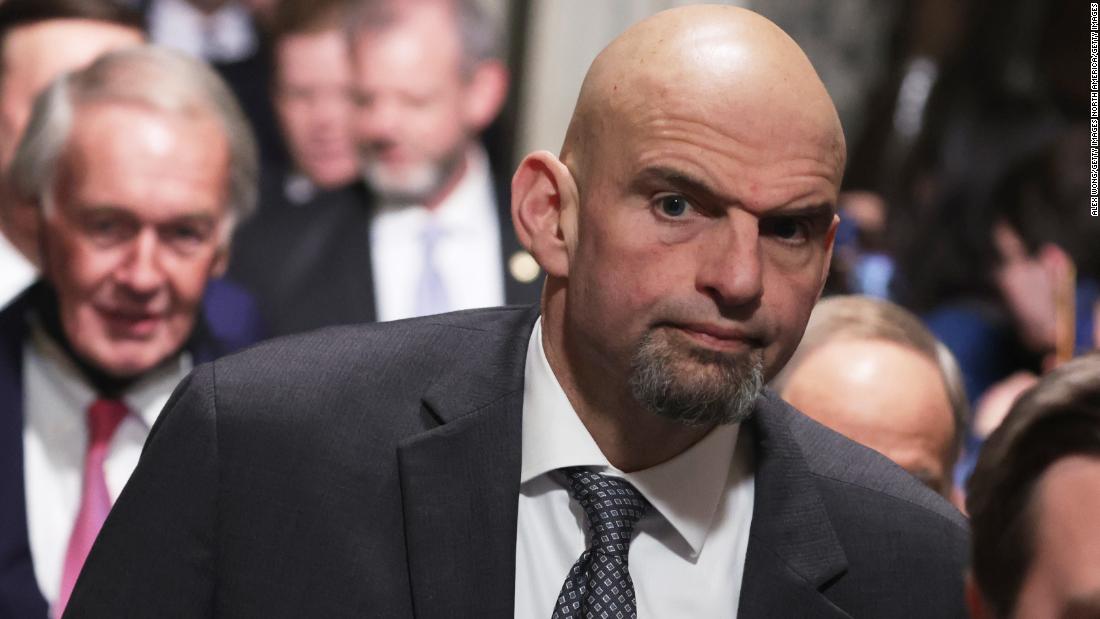
In a moving and deeply personal interview with CBS News, Pennsylvania Democratic Senator John Fetterman has chosen to speak openly about his struggle with clinical depression, an episode that led him to seek inpatient treatment just two months after taking office following one of the tightest elections of the 2022 cycle. His testimony not only sheds light on the stark reality of mental health challenges but also challenges persistent stigmas in the political sphere, where vulnerability is rarely displayed. Fetterman, known for his casual image and imposing stature, described a period of profound hopelessness that starkly contrasted with the public victory of his campaign, underscoring that mental illness does not discriminate by success, status, or external circumstances.
The context of Fetterman's revelation is particularly significant. His election to the Senate was a monumental political achievement, flipping a Republican seat in a crucial swing state. However, behind the celebration, the senator was already grappling with the aftermath of a stroke suffered during the campaign, an event that, by his own account, acted as a catalyst for the subsequent depressive episode. In the interview, Fetterman detailed how, despite having won, he felt 'numb' and disconnected, unable to experience joy or satisfaction. 'Winning the biggest election of my life and then not being able to feel anything... it was terrifying,' he confessed. This account highlights the complex interplay between physical trauma, extreme stress, and predisposition to mental illness.
Relevant data frames this personal story within a broader public health crisis. According to the National Alliance on Mental Illness (NAMI), approximately one in five U.S. adults experiences mental illness each year, with depression being a leading cause of disability worldwide. Yet, in high-pressure, high-visibility professions like politics, treatment-seeking rates are presumed lower due to fear of being perceived as weak or incapable. Fetterman's decision to voluntarily hospitalize himself at the Walter Reed Treatment Center in February 2023 was therefore a rare act of courage. His team communicated at the time that he was receiving care for 'severe depression,' sparking a national conversation about the wellbeing of our elected officials.
In powerful statements during the interview, Fetterman was unequivocal in advising others who may be suffering: 'Get help. It's not a defeat.' He also thanked his family, staff, and colleagues in the Senate, including members from both parties, who respected his privacy and wished him a speedy recovery. This bipartisan aspect of support is a glimmer of hope in a polarized political climate, suggesting that shared humanity can transcend ideological divides. The senator also praised the care he received, describing the treatment as 'lifesaving' and emphasizing the importance of professional intervention.
The impact of Fetterman's disclosure is multifaceted. On a personal level, it marks a crucial chapter in his recovery journey and serves as a beacon for millions of Americans silently grappling with similar conditions. On a political level, it could galvanize legislative efforts to direct more resources to mental health infrastructure and promote workplace policies that support psychological wellbeing, even within Congress. His story humanizes the often-distant institution of the Senate and sets a new precedent for transparency about health. In an era where public image is everything, Fetterman's authenticity is a powerful corrective.
In conclusion, Senator John Fetterman's decision to share his battle with depression is more than a personal news item; it is a significant cultural and political moment. It shatters a pernicious taboo by demonstrating that strength lies not in hiding suffering, but in confronting it with professional help. His experience underscores the universal truth that mental health is foundational to anyone's ability to function, whether as a private citizen or a United States Senator. By taking this step, Fetterman is not only paving the way for his own ongoing healing but is also inviting a more compassionate and urgent national conversation about a crisis that touches households in every congressional district across the country. His bravery will likely inspire others to seek help, reminding us that even in the halls of power, the most common human struggle is against our own internal demons, and that overcoming it is a sign of true leadership.