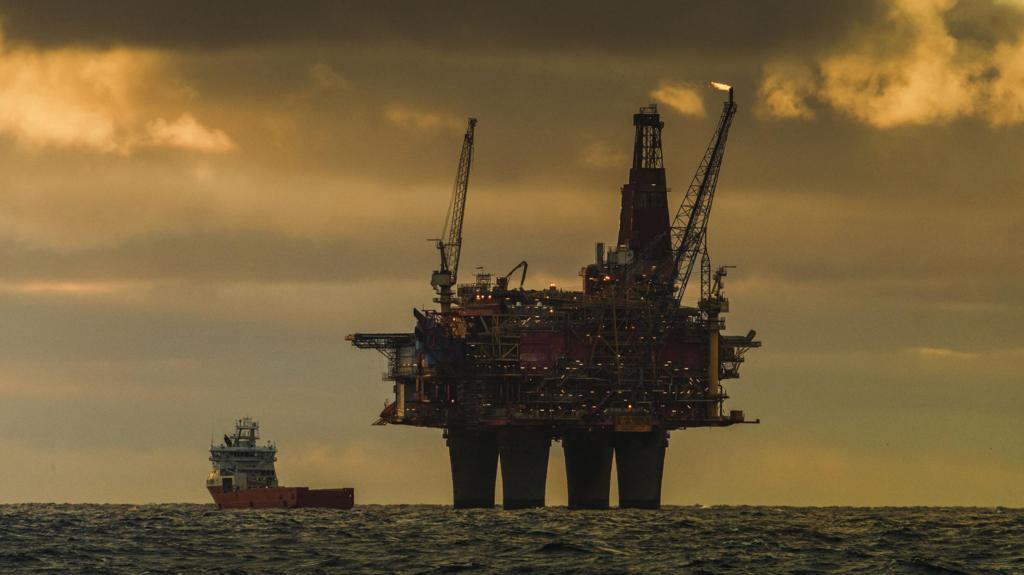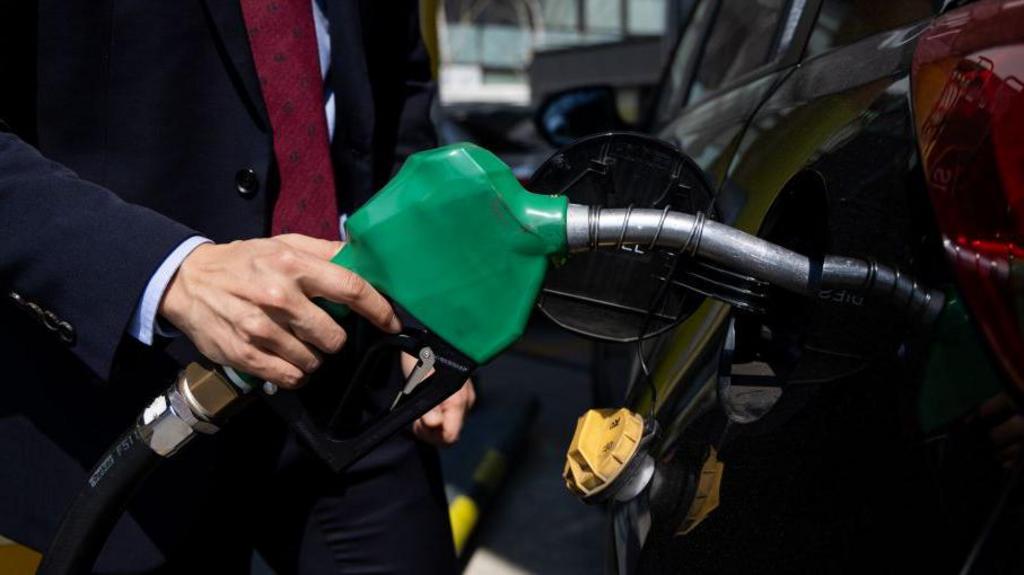
In a move aimed at shielding consumers and economic stability, several Asian governments are implementing or actively considering price caps on fuel. This policy response comes as a direct reaction to the sharp surge in international crude oil costs, driven by a combination of geopolitical factors, OPEC+ production cuts, and more resilient-than-expected global demand. Volatility in energy markets threatens to stoke inflation, increase transportation and logistics costs, and hamper economic growth in a region highly dependent on energy imports.
The context is particularly delicate for emerging and developing economies in Asia, where spending on fuel represents a significant portion of household budgets and business operating costs. Countries like Indonesia, Thailand, Malaysia, and the Philippines, which have historically used subsidies and price control mechanisms, are now forced to reassess and strengthen these tools. Indonesian Finance Minister Sri Mulyani Indrawati recently stated that "the government is committed to protecting people's purchasing power. Price stabilizers for fuel and electricity are crucial at this time of external pressure." These remarks reflect a widespread concern about the social unrest that uncontrolled inflation in basic goods could generate.
The data is telling. The benchmark Brent crude price recently surpassed the $90 per barrel mark, its highest level in months, with analyst projections not ruling out an approach to $100. For many Asian nations, which import most of the oil they consume, this translates into immediate pressure on their trade balances and foreign exchange reserves. The International Energy Agency (IEA) has warned that oil markets are tightening and that global inventories are declining. This environment forces governments to act, often choosing the difficult balance between providing short-term relief to citizens and maintaining long-term fiscal sustainability, as massive subsidies can create large deficits.
The impact of these price control measures will be multifaceted. On the positive front, they will provide immediate relief to households, transport companies, and agricultural sectors reliant on diesel. This can help contain overall inflation and maintain social stability. However, critics warn of negative consequences. Price caps can deter private refiners and distributors, leading to supply shortages if international prices significantly exceed the locally fixed level. Furthermore, governments will have to allocate enormous budget allocations to cover the difference between the import cost and the public selling price—money that could be invested in infrastructure, health, or education. This situation could also slow the transition to cleaner energies by keeping fossil fuels artificially cheap.
In conclusion, the decision by Asian governments to impose fuel price caps is a reflection of the challenges posed by a volatile global energy environment. While it is an essential tool for social and economic protection in the short term, it is not without fiscal and market risks. The sustainability of these measures will depend on the duration of the oil shock and the states' ability to manage their public finances. In the long run, this episode underscores, once again, the urgent need for the region to diversify its energy sources, invest in efficiency, and accelerate the development of renewable alternatives to reduce its vulnerability to the whims of the oil market.