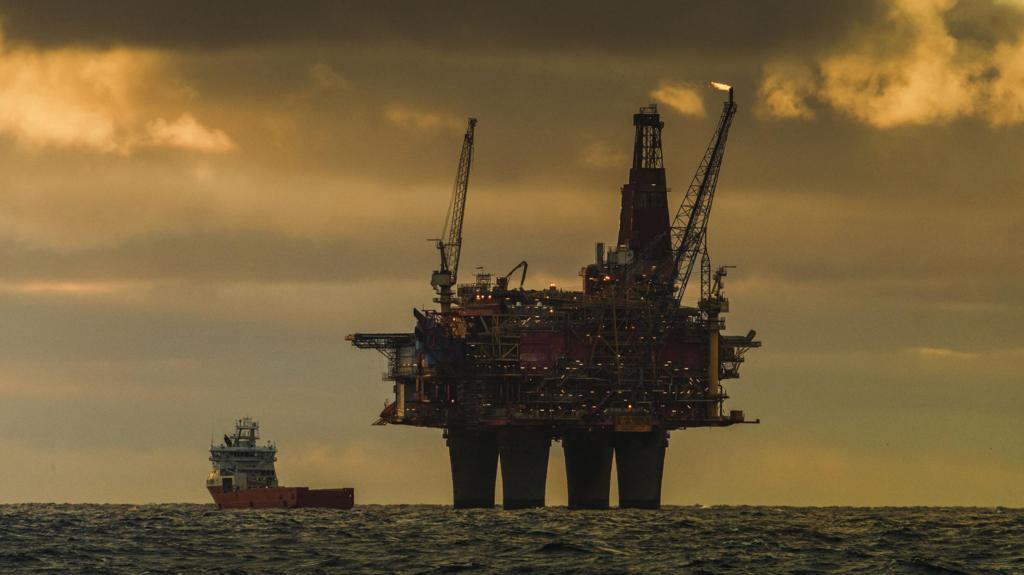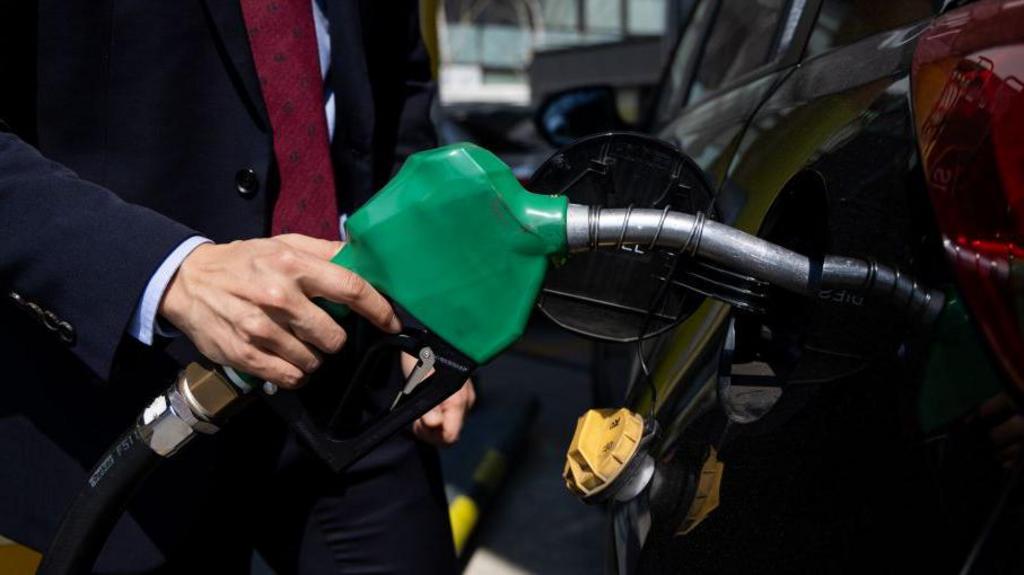
The escalating tensions in the Middle East, with the conflict in Iran at its epicenter, are generating growing concern among economists and policymakers in the United Kingdom. Analysts warn that a prolonged war in the region could trigger a new wave of inflation that would deeply affect the British economy, still in recovery from the pandemic and the energy crisis. The primary fear centers on the potential disruption of oil supply through the Strait of Hormuz, through which approximately 20% of global crude consumption transits. This situation would jeopardize the price stability that the Bank of England has tried to restore with successive interest rate hikes.
The current geopolitical context is particularly sensitive. Iran, as one of the largest OPEC producers, has significant influence over global energy markets. Any disruption to its exports, or those of neighboring countries, would cause a supply shock with immediate effects on Brent crude prices, the benchmark for Europe. Historically, tensions in the Persian Gulf have generated peaks of volatility that quickly transmit to gasoline prices, electricity, and ultimately the entire supply chain. For the UK, which imports a substantial portion of its energy, this scenario poses a direct threat to core inflation.
Preliminary data already shows warning signs. Oil futures have experienced increases of over 15% in recent weeks, while country risk indices for energy-dependent economies have risen. The pound sterling has shown weakness against the dollar, the currency in which crude is traded, making imports even more expensive. According to a report by the Institute for Fiscal Studies (IFS), a sustained increase of $20 per barrel could add between 0.5 and 0.8 percentage points to the UK's inflation rate in the coming quarters. This would greatly complicate the Bank of England's roadmap, which projected a gradual reduction of inflation towards its 2% target.
Expert statements reflect this concern. Sarah Hewin, Chief Economist for Europe at Standard Chartered, noted: "We are facing a dual-risk scenario: imported inflation from energy and pressures on global logistics chains. The Suez Canal and the Red Sea have already experienced disruptions; an open conflict in Iran would amplify these problems." Meanwhile, Bank of England Governor Andrew Bailey admitted in recent parliamentary appearances that "geopolitical risks have intensified and constitute a significant source of uncertainty for our monetary policy."
The impact on the UK economy would be multifaceted. First, households would see their purchasing power reduced by rising energy bills and transportation costs. Second, businesses, especially energy-intensive and manufacturing ones, would face higher operational costs, which could translate into workforce adjustments or consumer price increases. Sectors such as aviation, road transport, and the chemical industry would be particularly vulnerable. Furthermore, a resurgence of inflation would force the Bank of England to keep interest rates high for longer, increasing the cost of mortgages and business loans, with a consequent brake on economic growth.
In conclusion, the war in Iran represents a major macroeconomic risk for the United Kingdom. Although the magnitude of the final impact will depend on the duration and intensity of the conflict, as well as the coordinated response of producer countries, the British economic fundamentals are particularly sensitive to this type of external shock. The combination of significant energy dependence, inflation not yet fully under control, and weak economic growth places the country in a vulnerable position. Authorities must prepare contingency measures, which could include strategic reserves, temporary subsidies, or fiscal adjustments, to mitigate the effects on citizens and business activity. Price stability, the primary objective of economic policy, is once again under the shadow of geopolitics.