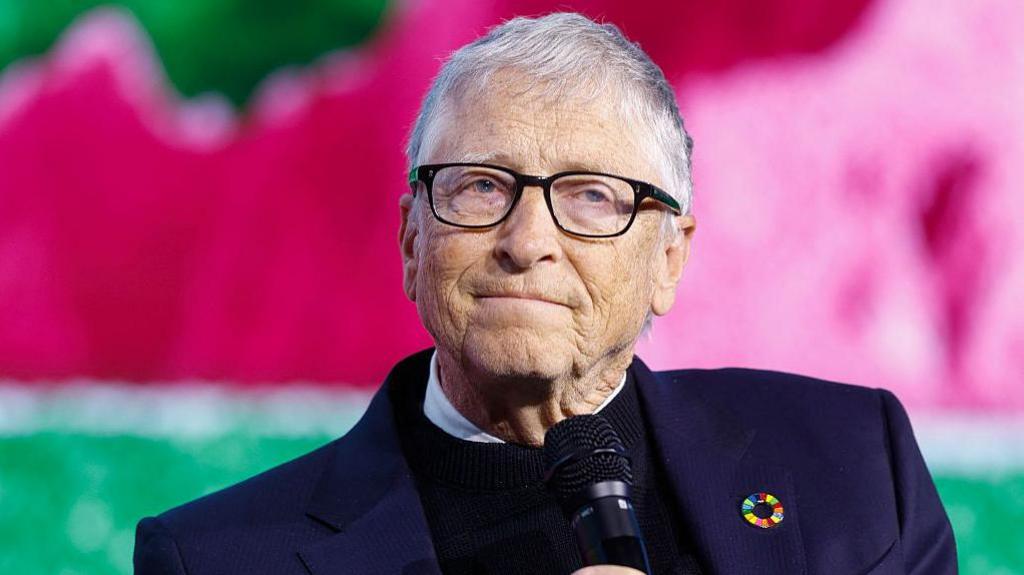
Microsoft co-founder and philanthropist Bill Gates has canceled his participation as a keynote speaker at the upcoming Global Artificial Intelligence (AI) Summit in India, a move organizers directly attribute to the recent controversy stemming from the release of court documents related to the late financier Jeffrey Epstein. The event, scheduled for next week in New Delhi, aimed to bring together tech leaders, policymakers, and academics to debate the future of AI and its governance. Gates's withdrawal, a towering figure in global technology and philanthropy, represents a significant blow to the summit's prestige and highlights how shadows from the past continue to affect public figures in the digital age.
The decision follows the disclosure earlier this year of hundreds of pages of court documents detailing the associations and activities of Jeffrey Epstein, convicted for sex trafficking of minors before his death in 2019. While Gates has not been accused of any crime and has repeatedly denied any knowledge of Epstein's criminal activities, the files have resurfaced his meetings with the financier in 2011 and 2013, meetings Gates has described as a "mistake in judgment." This public re-emergence of the matter has generated renewed media scrutiny, creating a delicate reputational context for any high-profile public appearance.
"Following consultations with the organizers and considering the current media attention climate, Mr. Gates has decided now is not the right time to participate in the summit," a spokesperson for the Bill & Melinda Gates Foundation told media outlets. "He remains committed to advancing AI for global good and looks forward to collaborating with Indian partners in the future." For its part, the organizing committee for the Global AI Summit in India issued a statement expressing its "disappointment" but respecting the decision. "We understand the circumstances and thank Mr. Gates for his initial consideration. The summit will continue with a robust program focused on AI innovation and ethics," the statement said.
The impact of this withdrawal is multifaceted. For India, which seeks to position itself as a global leader in the development and regulation of artificial intelligence, the absence of a figure of Gates's stature dims the shine of an event designed to project influence. Sector analysts suggest this could force a reevaluation of how major tech forums manage the reputational risks of their guests. Furthermore, the episode underscores a persistent challenge for high-level tech philanthropy: how to separate legitimate contributions to global causes, such as AI-driven health and development, from the personal controversies surrounding its leading benefactors.
In the broader context of the tech industry, this incident reflects an era of increased accountability and scrutiny. Unlike a decade ago, where financial contributions and guru status could overshadow personal matters, today's culture demands stricter ethical coherence. The India summit was set to address crucial topics like ethical frameworks for AI, the digital divide, and the use of artificial intelligence in public health, areas where the Gates Foundation has been highly active. His absence will leave a void in those conversations but might also open space for other voices, perhaps with less controversial baggage, to lead the debate.
In conclusion, Bill Gates's withdrawal from the AI summit in India is more than a simple schedule cancellation; it is a symptom of a media and social landscape where the history of personal associations can have tangible and immediate consequences on global forums. As the AI industry navigates complex issues of ethics and governance, the composition of its discussion tables will also be subject to the ethical scrutiny of its participants. The episode serves as a reminder that, in the information age, the past is never fully archived and that the credibility to speak about the future of technology is inextricably linked to the public perception of past actions.