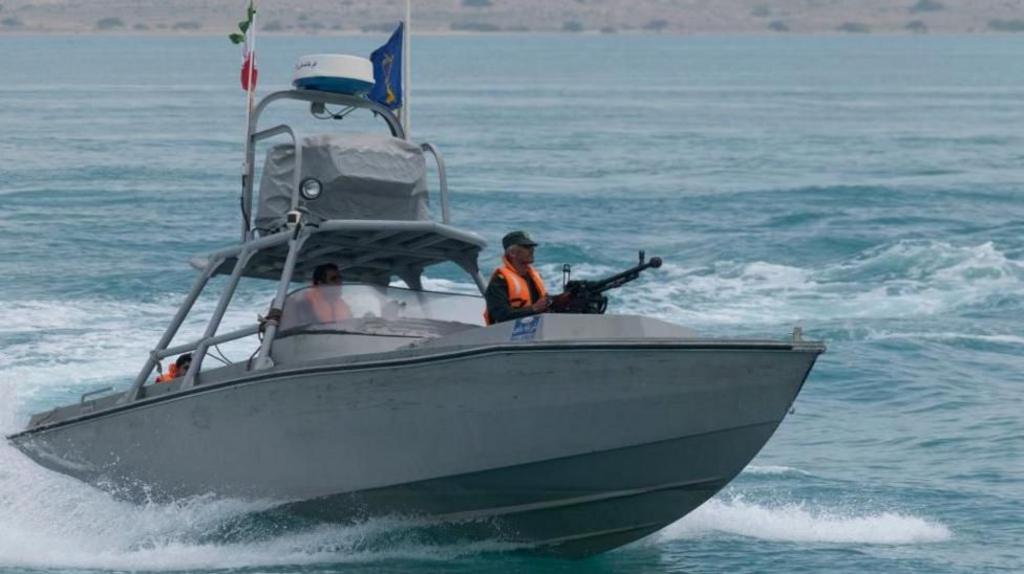
Tensions in the strategic waters of the Persian Gulf escalated on Thursday following an attack on an oil tanker off the coast of Iran. The incident, reported by the Iranian news agency Tasnim, involved the Singapore-flagged vessel MT Pola, which was struck by a projectile while navigating the Strait of Hormuz, one of the most critical maritime routes for global oil transportation. Although the damage was described as minor and no casualties were reported, the event has raised alarms in international energy markets, as any disruption in this area can trigger significant volatility in crude oil prices worldwide.
The geopolitical context is extremely delicate. The Strait of Hormuz, a narrow passage between Iran and Oman, is where approximately 20% of global oil consumption transits. The region has been the scene of numerous incidents in recent years, including attacks on merchant ships and tankers, often amid tensions between Iran and Western powers, as well as regional disputes. This attack comes at a time of fragility in the markets, where oil prices are already sensitive to Middle East tensions and OPEC+ production decisions.
So far, no group has claimed responsibility for the attack. Maritime security sources, cited by international agencies, indicate that the modus operandi suggests the use of a drone or a short-range missile, although investigations are ongoing. Iran's Revolutionary Guard has denied any involvement and called the reports "propaganda" aimed at destabilizing the region. However, independent analysts point out that, regardless of the perpetrator, the message is clear: the security of maritime transit in the Persian Gulf remains precarious and subject to political volatility.
The economic impact was immediate. In futures markets, the price of Brent crude, the international benchmark, rose more than 2% in the hours following the report, temporarily surpassing $86 per barrel. "Any incident in Hormuz is a brutal reminder of the geopolitical risk premium embedded in the oil price," said Vandana Hari, founder of Vanda Insights, an energy market analysis firm. "Traders react first and ask questions later. The key now is whether this is an isolated event or the prelude to a broader escalation," she added.
The implications are profound. A sustained disruption of traffic through the Strait of Hormuz could push oil prices above $100 per barrel, fueling global inflation at a time when many economies are still struggling to control it. Net oil-importing countries, especially in Asia and Europe, would be the hardest hit. Furthermore, the incident tests international maritime security mechanisms, such as the International Maritime Security Construct (IMSC) led by the United States, and could spur calls for a greater naval presence in the area.
In conclusion, the attack on the MT Pola tanker is more than an isolated incident; it is a symptom of the chronic instability in one of the world's most vital economic arteries. Although the situation appears contained for now, it underscores the fragility of the global energy supply chain in the face of geopolitical tensions. Markets will remain on high alert, and governments of major consuming countries will be closely monitoring any developments that could threaten the stable flow of crude, aware that the next spark in the Gulf could ignite a much larger crisis.