A small investor who bet £12,000 of his savings on the promising craft beer brewery BrewDog now faces the possibility of having lost his entire investment, amid a storm of controversies, allegations of a toxic work culture, and a decline in the company's valuation. The story, which reflects the risks of investing in high-profile startups, has reignited the debate about corporate practices in the craft beer sector and the responsibility of companies towards their minority shareholders. The case exposes the complexities of crowdfunding campaigns and the expectations of small investors who trust in the growth of iconic brands.
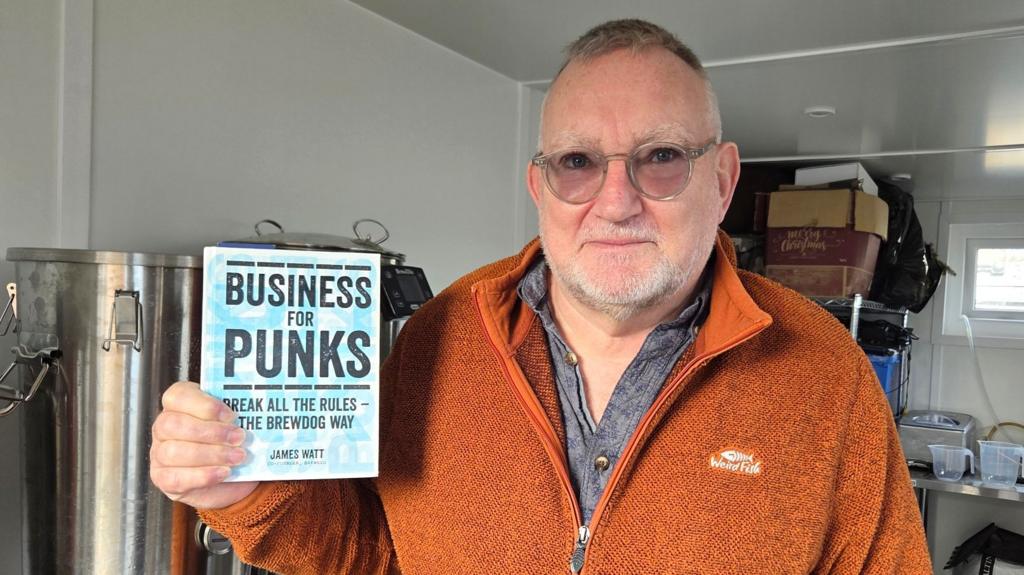
BrewDog, founded in 2007 in Scotland by James Watt and Martin Dickie, quickly became a global phenomenon thanks to its bold marketing and anti-establishment rhetoric. The company launched several investment rounds under the "Equity for Punks" program, attracting tens of thousands of small investors with the promise of being part of a beer "revolution." At its peak, BrewDog's valuation exceeded £2 billion, and the company expanded its operations internationally, with bars in numerous countries and a product range spanning from classic beers to spirits and soft drinks. However, behind this facade of success, allegations of an exploitative work environment and questionable business practices began to emerge.
In recent years, BrewDog has faced a series of scandals that have eroded investor and consumer confidence. In 2021, a group of former employees published an open letter accusing the company of fostering a "culture of fear" and treating workers as "disposable." Subsequently, the UK's Financial Conduct Authority (FCA) investigated BrewDog for the possible sale of unauthorized shares through its "Equity for Punks" campaign. Although the company denied the allegations and committed to improving its practices, the reputational damage was already done. The company's valuation has been affected, and many minority investors, like the one who lost £12,000, see their shares diluted or lose value in an increasingly competitive market.
The investor, who preferred to remain anonymous, told British media: "I invested in BrewDog because I believed in its mission and its growth potential. Now I feel deceived. My shares are worth little or nothing, and the company has not been transparent about its financial situation." This statement reflects the frustration of many of the more than 150,000 "Equity Punks" who trusted the brand. For its part, BrewDog has defended its management, arguing that investments in startups carry inherent risks and that the company has faced external challenges, such as the pandemic and inflation, which have impacted the entire sector.
The impact of this situation goes beyond individual financial loss. It questions the credibility of crowdfunding campaigns as an investment vehicle and underscores the need for greater regulation and transparency in this area. For the craft beer sector, the BrewDog case serves as a warning about the dangers of prioritizing rapid growth over sustainability and business ethics. Furthermore, it could deter future investors from supporting other startups through similar models, affecting the funding capacity of legitimate emerging companies.
In conclusion, the loss of £12,000 by a BrewDog investor is a symptom of deeper problems at the intersection of entrepreneurship, retail investment, and corporate governance. As BrewDog attempts to repair its image and stabilize its business, the lessons for investors and companies are clear: long-term success requires not only innovation and marketing but also integrity, transparency, and respect for all stakeholders, from employees to the smallest shareholders. The future of BrewDog, and of similar investment models, will depend on its ability to learn from these mistakes and rebuild lost trust.