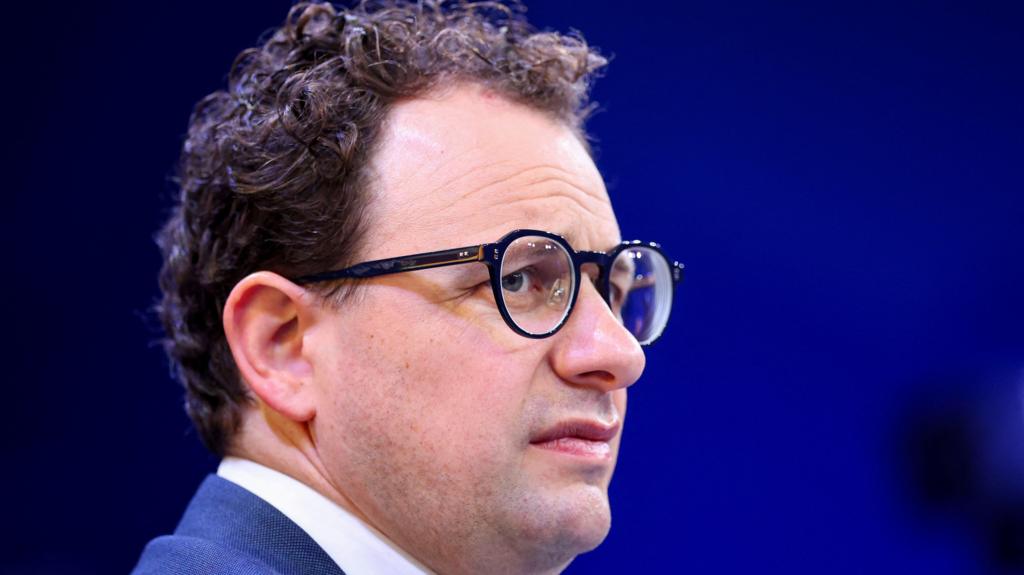
In a move that underscores the growing tension between technological innovation and ethics in artificial intelligence, Dario Amodei, CEO of AI company Anthropic, has publicly rejected a request from the U.S. Department of Defense to remove certain safety and ethical alignment safeguards from its AI models. According to sources close to the negotiations, the Pentagon sought access to less restricted versions of Anthropic's systems, citing critical national security needs and strategic advantage. Amodei, however, has taken a firm stance, stating that compromising core safety and control principles for military applications would open a "Pandora's box" of unpredictable risks.
The context of this confrontation is framed by the global race for AI supremacy, where nations like the United States, China, and Russia are aggressively competing to integrate advanced AI into their defense arsenals. Anthropic, known for its Claude model and strong focus on developing safe and human-aligned AI, has positioned itself as a leader in establishing rigorous ethical standards. The Pentagon's request, analysts say, reflects the growing pressure on tech companies to prioritize national security interests over long-term ethical considerations. This case is not isolated; it represents a tipping point in the debate over the governance of dual-use AI, technology that can be used for both beneficial civilian purposes and military applications.
Relevant data indicates that Department of Defense investment in AI projects has surpassed billions of dollars in recent years, with initiatives like the Joint Artificial Intelligence Center (JAIC) seeking to accelerate adoption. However, the reluctance of companies like Anthropic and some Google employees in the past, who protested against Project Maven, shows a significant fracture within the tech ecosystem. "Our founding mission is to build AI systems that are helpful, honest, and harmless," Amodei stated in an internal communication leaked to the press. "Diluting those safeguards to enable unrestricted military use would go directly against our ethical oath and could have catastrophic consequences on a global scale."
Amodei's statements have received mixed reactions. While tech ethics advocacy groups and some lawmakers have praised his stance, calling it "courageous and necessary," voices within the defense establishment have criticized the decision, arguing it jeopardizes U.S. strategic competitiveness. A retired general, speaking on condition of anonymity, stated, "In an era where our adversaries have no such scruples, self-imposing limitations is a luxury we cannot afford." The impact of this decision is multifaceted: it could influence future government procurement policies, drive legislation on mandatory ethical standards for military AI, and encourage other companies to adopt similar stances, potentially slowing the military integration of cutting-edge AI.
In the long term, this episode raises fundamental questions about who should control the development and deployment of transformative AI technologies. Should private companies, guided by their own ethical frameworks, have the right to veto state use? Or must national security prevail, even at the risk of accelerating an AI arms race with insufficient controls? The conclusion is that Anthropic's rejection is not just a contractual dispute; it is a symptom of a deeper conflict between two visions for the future of AI: one centered on caution and long-term human well-being, and another driven by geopolitical urgency and great power competition. The resolution of this conflict, whether through dialogue, regulation, or market pressure, will define the trajectory of one of the most powerful technologies of our time.