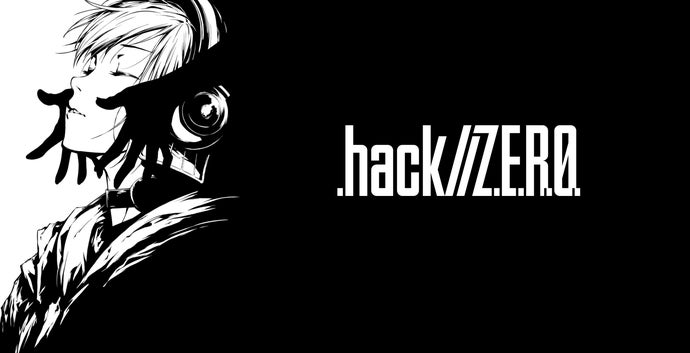
Japanese studio CyberConnect2, renowned for series such as .hack and Naruto: Ultimate Ninja Storm, has officially announced the development of .hack//Z.E.R.O., a new role-playing game that marks a milestone in its trajectory. For the first time in the history of the .hack franchise, the studio will not only be the developer but also the publisher of the game, after obtaining the corresponding permission and license from Bandai Namco Entertainment, the historical rights holder of the intellectual property. This strategic move grants CyberConnect2 unprecedented creative and commercial control over the project.
The announcement was made through a special video featuring the company's President and CEO, Hiroshi Matsuyama, who expressed his deep gratitude to Bandai Namco for entrusting them with this cherished license. Matsuyama emphasized that .hack//Z.E.R.O. represents the culmination of years of passion and the desire to return to the saga's roots, promising an experience that will honor long-time fans while attracting new players. Although specific platforms or release dates were not revealed, it was confirmed that the game is in active development and that more details will be shared in the future.
The context of this announcement is crucial. The .hack series, which debuted in 2002, is a pioneer in exploring narratives about virtual worlds and video games within video games, influencing numerous subsequent works. However, after several games and multimedia projects, the franchise had remained relatively inactive in the realm of mainline video games in recent years. Bandai Namco's decision to license the IP for external development and publishing is an uncommon model in the industry, reflecting an exceptional relationship of trust and possibly a new strategy for managing intellectual properties.
The impact of this news is multifaceted. For CyberConnect2, it means total autonomy to shape the game's vision, from its design and narrative to its marketing and monetization strategy, without the typical constraints of an external publisher. For fans, it is a hopeful sign that the essence of .hack will be in the hands of its original creators, which could translate into a more faithful and ambitious experience. For the industry, it sets an interesting precedent for how holders of established IPs can collaborate with independent or mid-sized studios, allowing for controlled resurgences of dormant franchises.
In conclusion, the announcement of .hack//Z.E.R.O. under CyberConnect2's self-publishing model is a significant event that revitalizes one of the most influential franchises in modern JRPGs. It combines the nostalgia and legacy of .hack with the creative freedom of a studio that intimately knows its universe. If the team can capture the original magic while innovating for the contemporary audience, this project could not only satisfy the existing fanbase but also redefine the future of intellectual property and its management within the Japanese development ecosystem.