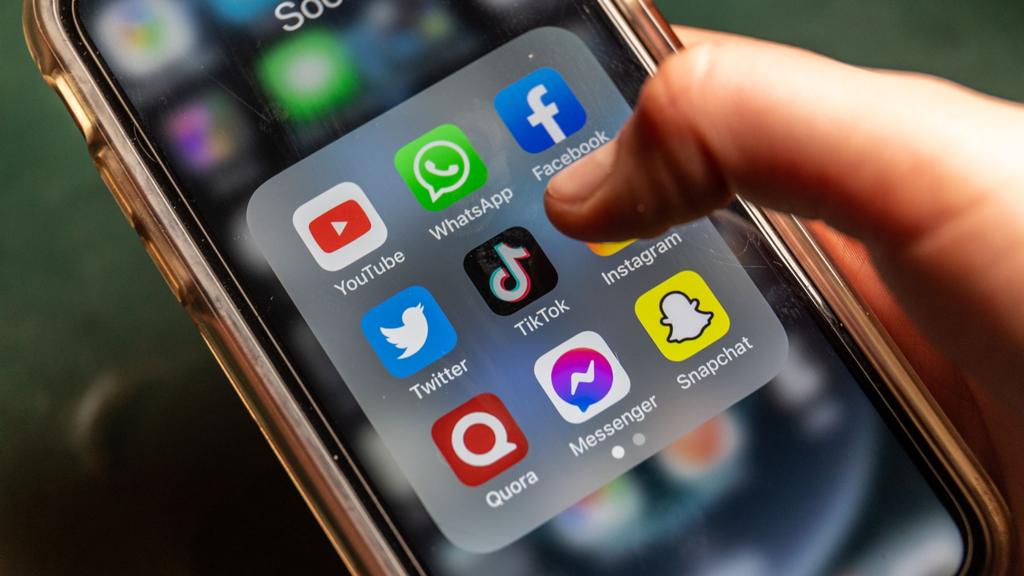
In a decision sparking intense debate over privacy versus safety, TikTok has announced it will not implement full end-to-end encryption (E2EE) for its direct messages (DMs). The ByteDance-owned company argues that this privacy measure, widely adopted by competitors like WhatsApp and Signal, could put users at risk by hampering the detection and combat of harmful activities on the platform. This stance places TikTok at a crossroads, pitting the demands of digital privacy advocates against its content moderation and community safety obligations, especially considering its predominantly young user base.
The context for this decision cannot be understood without observing the global regulatory landscape and growing concerns about the online safety of minors. TikTok, with over one billion monthly active users, has been under fierce scrutiny from lawmakers in the United States, the European Union, and other countries, who question its data handling practices and potential foreign influence. Implementing E2EE would mean only the sender and recipient could read the message content, making it inaccessible even to TikTok's own engineers and moderators. The company maintains this opacity would severely hinder its efforts to identify and remove content related to child abuse, harassment, hate speech, misinformation, and human trafficking.
Relevant data from the company's transparency reports shows the scale of the challenge. In the second half of 2023 alone, TikTok claimed to have removed over 170 million accounts of users under 13 and over 100 million videos that violated its policies. Without the ability to proactively scan the content of private messages, the company argues it would rely almost exclusively on user reports, a reactive system often too slow to prevent harm. "Our number one priority is the safety of our community, especially the teens and young adults who make up a significant portion of our users," a TikTok spokesperson stated in a release. "End-to-end encryption for DMs, at this time, would limit our ability to use automated tools and human review to detect and act against severe violations of our policies in a private space where much of this harm occurs."
The reaction from privacy experts and digital rights organizations has been one of deep disappointment and skepticism. Organizations like the Electronic Frontier Foundation (EFF) and Access Now argue that privacy and safety are not mutually exclusive. They point out that other platforms have found ways to balance both, for instance by implementing on-device content scanning before encryption (a controversial technology in itself) or investing in resources to investigate user reports. "It's a false dilemma," stated a digital policy analyst. "TikTok is choosing mass surveillance and access to private data over the fundamental empowerment and protection of its users. This decision has more to do with the surveillance business model and complying with government data access demands than with a genuine concern for safety."
The impact of this policy is multifaceted. For users, it means their private conversations on TikTok do not enjoy the same level of confidential protection as on other messaging apps, potentially leaving them exposed to internal scrutiny and, in some jurisdictions, government data requests. For regulators, it fuels the arguments of those seeking to impose harsher restrictions on the platform, alleging its inherent architecture is risky. For the tech industry, it reinforces a growing divide between companies that prioritize strong encryption (like Meta, with its plan to implement E2EE by default in Messenger and Instagram) and those that prioritize centralized control and moderation.
In conclusion, TikTok's decision not to protect private messages with end-to-end encryption marks a crucial inflection point in the battle for the future of privacy on social media. While the company frames its stance as a necessary protection for vulnerable users, critics see it as a capitulation to commercial and political pressures that erodes a fundamental right. As legislation like the UK's Online Safety Act and the EU's Digital Services Act push platforms toward greater liability for harmful content, more companies are likely to face this dilemma. The bottom line is that TikTok users, knowingly or not, are trading a layer of privacy for the promise of a safer platform, an exchange whose true balance of power and risk remains profoundly uncertain.