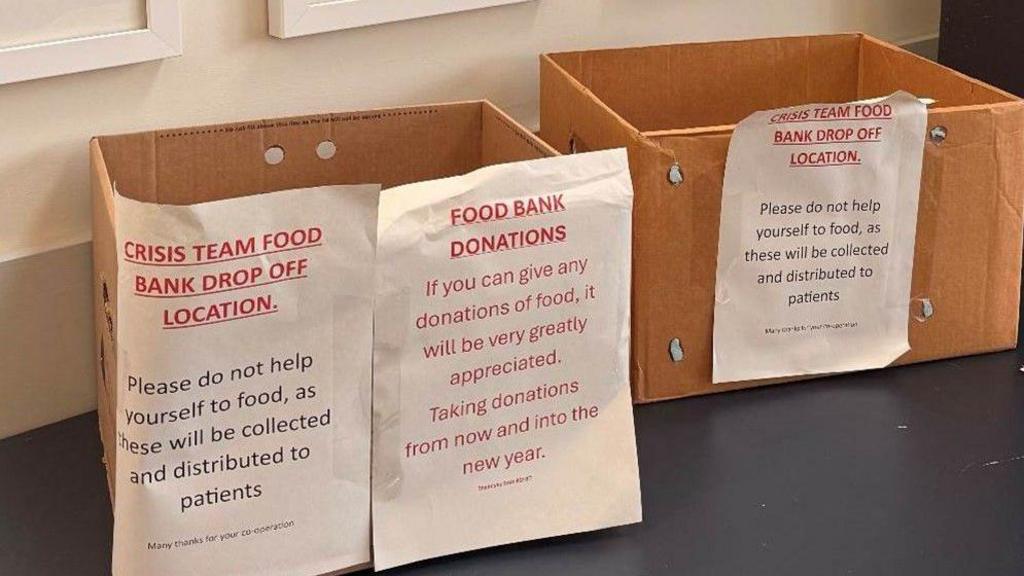
In the city of Wolverhampton, in the heart of England's Midlands, a silent crisis is intensifying as the most vulnerable face critical delays in accessing traditional food banks. In response, a mental health support team has taken the initiative, establishing an emergency pantry to help those living in food poverty. This situation highlights the growing pressure on social safety nets in the United Kingdom, against a backdrop of persistent inflation, cuts to social benefits, and an uneven economic recovery following the pandemic.
The team, composed of professionals and volunteers specialized in mental health, identified an alarming gap in the support system. Many of their service users, already struggling with psychological issues, found that appointments at main food banks had waiting lists of several weeks—an unsustainable timeframe for those lacking immediate resources. The pantry, named "The Wellbeing Pantry," operates from a community center in the Whitmore Reans district. It distributes not only non-perishable food but also personal hygiene products and essential baby items, recognizing that poverty is multifaceted.
Contextual data is bleak. According to the latest report from the Trussell Trust, the UK's largest food bank network, a record nearly 3 million emergency food parcels were distributed in the last fiscal year, a 37% increase from the previous period. In the West Midlands region, where Wolverhampton is located, demand surged by 33%. Sarah Jennings, coordinator of the mental health team, stated: "We see people having to choose between heating their homes and eating. The anxiety generated by food insecurity massively exacerbates pre-existing mental health conditions. Our pantry is a lifeline, but it is not a long-term solution. We need a systemic response."
The impact of this initiative goes beyond nutrition. For many users, the pantry has become a crucial human contact point, a place where they can talk with understanding professionals without feeling the stigma they sometimes associated with traditional aid services. "Here, I don't just receive food; I receive hope and someone who listens," shared a user who preferred to remain anonymous. The operation relies entirely on donations from the local community, supermarkets, and some small grants, making it precarious.
The situation in Wolverhampton reflects a national trend. Charities warn that the British welfare system is "on the brink of collapse," unable to respond to the rising cost of living. The call for donations is urgent: they need canned food, pasta, rice, cereals, powdered milk, as well as sanitary products and funding to cover operational costs. The conclusion is clear: as long as the structural causes of poverty are not addressed, the work of community groups like this mental health team will remain essential. Their work not only mitigates hunger but also protects the mental health of a community at risk, demonstrating that compassion and local action can, at least, contain a national crisis that demands decisive political solutions.