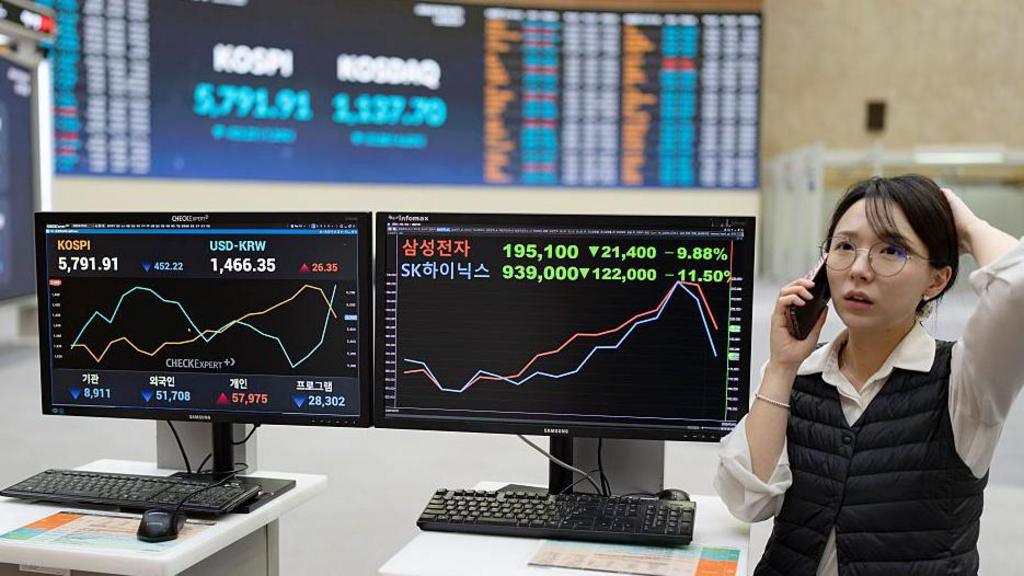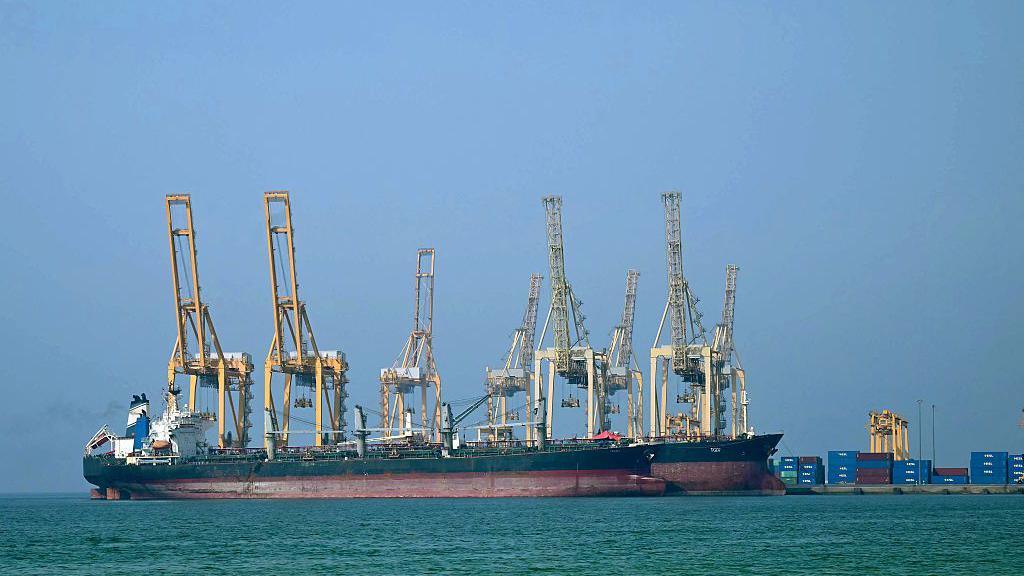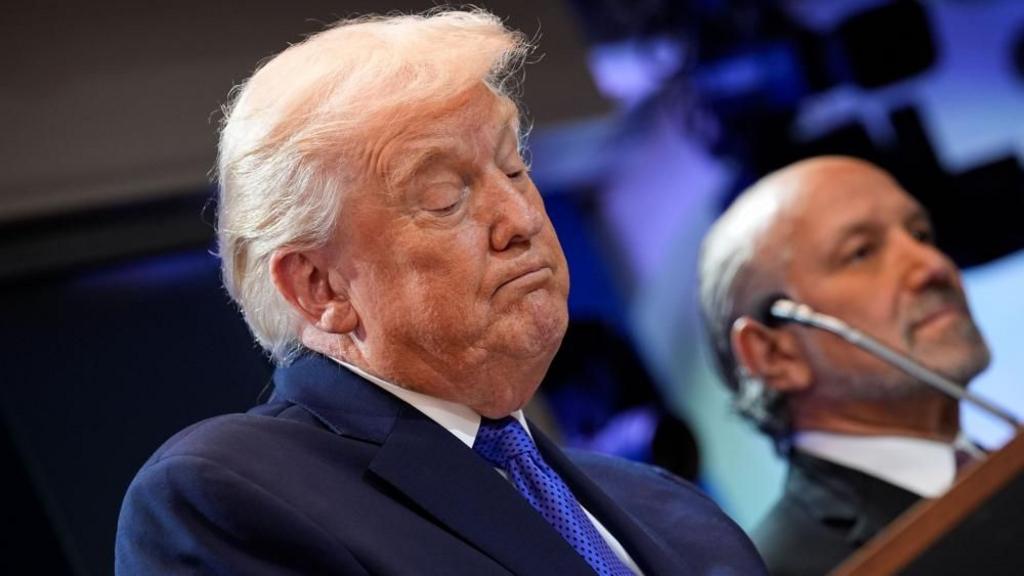
The recent wave of changes to trade policy floated by former President Donald Trump, including proposals for massive tariffs on imports from key allies and economic rivals, has plunged the global business community and consumers into a sea of uncertainty. These measures, which could reach 60% or more on goods from China and universal tariffs of 10% on all imports, threaten to destabilize already fragile supply chains, accelerate inflation, and trigger a new trade war of global proportions. The scenario echoes the "America First" policy of his first term but features even more aggressive proposals that are causing concern among economists and industry leaders.
The context for these proposals is a complex global economic landscape, where inflation is slowly receding in many developed economies and supply chains are gradually recovering from pandemic and geopolitical shocks. Implementing such drastic tariffs could reverse this progress, analysts from the International Monetary Fund and the World Trade Organization warn. World Bank data indicates that the trade wars of the Trump era 2017-2020 reduced global trade by approximately 0.5% of world GDP, an impact that could be multiplied by the new proposed measures. Businesses, especially manufacturers and retailers reliant on imported components or finished goods, face impossible planning, caught between the need to stockpile and the risk of unpredictable costs.
Statements from business groups like the U.S. Chamber of Commerce reflect this anxiety. "Proposals for universal tariffs are a tax on American families and American businesses," recently stated Suzanne Clark, the organization's president. On the other hand, proponents of the policy argue, as Trump himself has at rallies, that it is necessary to "bring back manufacturing jobs" and "end trade abuse." This dichotomy leaves consumers uncertain about the future price of a wide range of products, from electronics and clothing to automobiles and building materials. The inflationary impact is the top concern: studies from the Peterson Institute for International Economics estimate the proposed tariffs could cost the average American household over $1,500 annually in additional expenses.
The geopolitical impact is also profound. Traditional allies in Europe and Asia, who were already targeted by steel and aluminum tariffs during the first Trump administration, are watching with alarm. A chain reaction of retaliatory measures is a likely scenario, which could further fragment the multilateral trading system. For multinational corporations, the uncertainty translates into postponed or diverted investment decisions. Should they diversify their supply chains away from China more urgently? Or will that destination also be subject to tariffs? Long-term planning becomes a guessing game.
In conclusion, the specter of a radical shift in U.S. trade policy has created a period of anxious waiting for the global economy. Beyond the political rhetoric, the tariff proposals carry tangible risks of recession, persistent inflation, and erosion of geopolitical stability. As the political landscape evolves, businesses and consumers alike are bracing for a possible future where the cost of international trade—and by extension, the cost of living—could increase significantly, reshaping markets and purchasing power in the process. The only certainty at this moment is the profound uncertainty.