In a surprisingly frank revelation, Steve Allison, Vice President and General Manager of Epic Games Store, has publicly admitted the shortcomings of his video game distribution platform. During an exclusive interview with Eurogamer UK, Allison bluntly stated that the Epic Games Store client "sucks," acknowledging persistent criticisms from users and developers about its performance and limited functionality compared to established competitors like Steam.
The context of this admission lies within a highly competitive digital storefront market, where Epic Games Store has attempted to gain ground since its 2018 launch through temporary exclusives, weekly free games, and a more favorable revenue structure for developers. However, the platform has faced constant complaints about download speeds, user interface, lack of social features, and stability issues. Allison specifically acknowledged that "speed has been a big issue" and that the user experience doesn't meet the standards Epic wants to establish.
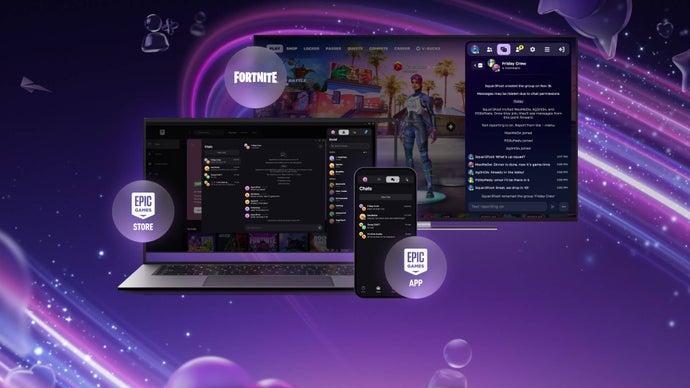
To address these deficiencies, Epic Games has outlined an ambitious improvement plan to be implemented throughout 2026. According to Allison, the team is working on "a series of big updates" that will include significant performance improvements, new social features inspired by traditional forums, and a complete overhaul of the user interface. The executive promised users would see "substantial changes" in client speed and reliability, as well as enhanced tools for library management and game discovery.
This unusual transparency from a senior executive reflects growing competitive pressure in the digital game distribution sector. With Steam maintaining a dominant position and new platforms constantly emerging, Epic Games appears to recognize that its initial strategy of attracting users with economic offers must be complemented by superior technical experience. The impact of these promises could be significant for user loyalty and brand perception, especially if Epic manages to deliver on its improvement commitments.
The conclusion is clear: Epic Games Store is at a turning point where it must evolve from being merely an economic alternative to becoming a technically competitive platform. The success of these improvements scheduled for 2026 could determine whether the store manages to establish itself as a serious long-term contender or remains a secondary option in the digital video game distribution ecosystem.