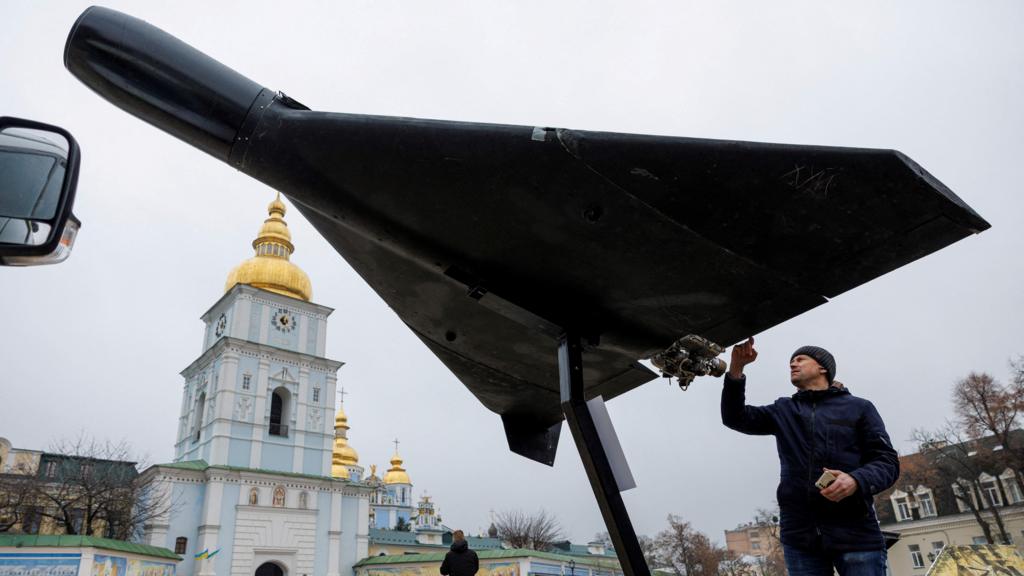
Four years into its full-scale invasion of Ukraine, the Kremlin is confronting an increasingly complex reality: the protracted conflict is leaving a deep imprint on Russia's economy, society, and internal stability. What began as a military operation presented as swift and decisive has morphed into a war of attrition consuming resources at an unsustainable rate. International sanctions, combined with enormous military expenditures, are reshaping the country's economic landscape, while mobilization and human losses generate latent social tensions.
The context of this fourth anniversary is marked by a renewed Russian offensive in eastern Ukraine, but also by a Ukrainian resistance that has demonstrated an unexpected tenacity for Moscow. International analysts agree the war has entered a phase of operational stalemate, where territorial gains are marginal and costly. "Russia has systematically underestimated Ukraine's will to fight and the cohesion of Western support," a recent report from the Institute for the Study of War noted. This strategic miscalculation has forced the Kremlin to resort to tactics of mass mobilization and an increasingly war-oriented economy.
Economic data, though opaque due to official censorship, paints a concerning picture. The Central Bank of Russia has kept interest rates high to combat persistently elevated inflation, which erodes citizens' purchasing power. The flight of capital and brains, which began in 2022, has not stopped, depriving the country of key professionals in technological and scientific sectors. Dependence on energy revenues remains, but export markets have shrunk significantly, forcing Russia to sell its oil and gas at large discounts to buyers like China and India.
Statements from public figures within Russia, though carefully measured, have begun to reflect some concern. "We are on a difficult but necessary path," stated Kremlin spokesman Dmitry Peskov in a recent press briefing, avoiding any mention of a possible end to the conflict. In contrast, dissenting voices from exile, such as former economic advisor Vladislav Inozemtsev, have been more direct: "The Russian economy is contracting in real terms. GDP only grows on paper, artificially driven by military spending, while civilian sectors are suffocating."
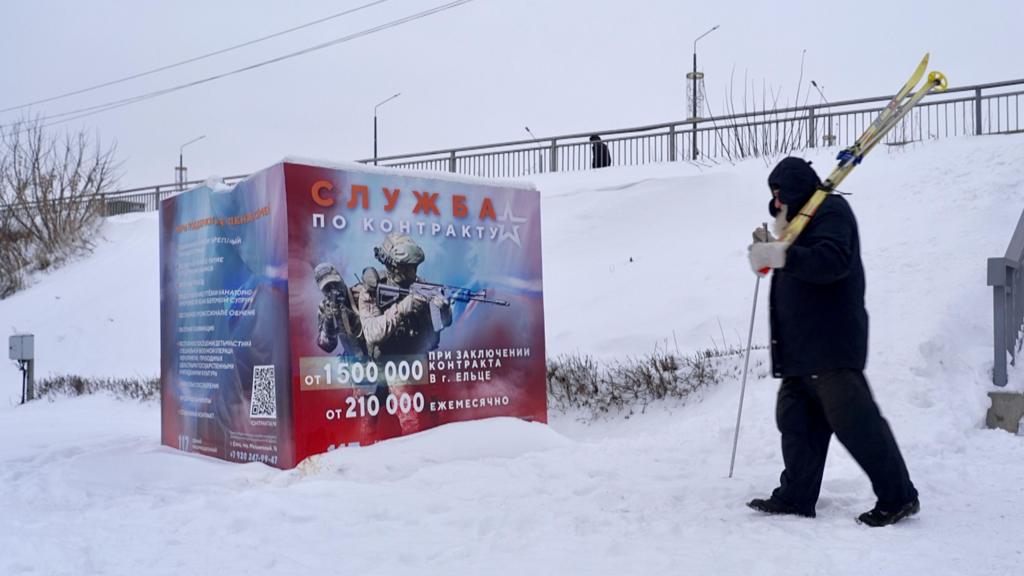
The social impact is perhaps the quietest but most significant. The partial mobilization of 2022 and ongoing recruitment campaigns have disproportionately affected rural regions and ethnic minorities, generating resentment. Families across the country grapple with the loss of loved ones in a conflict whose real casualty figures the government refuses to publish. Internal repression has intensified, with draconian laws criminalizing any criticism of the "special military operation," closing the space for public debate.
In conclusion, Russia finds itself at a crossroads after four years of war. While it maintains control over Ukrainian territories and its security apparatus remains firm, the accumulated costs are undermining its long-term foundations. The economy shows signs of structural stress, society is traumatized and isolated, and the country's international standing has been deeply damaged. The conflict has proven to be a bottomless pit for Russian resources, and the looming question is how much longer society and the economy can bear this burden without significant political changes. The path to peace seems distant, but the path to exhaustion is becoming increasingly visible.