In a rare display of self-criticism within the video game industry, Steve Allison, Vice President and General Manager of the Epic Games Store, has delivered a blunt assessment of his digital distribution platform's current state. During an interview with Eurogamer UK, Allison did not hesitate to label the Epic Games Store client, stating it "sucks," thereby acknowledging the numerous complaints and deficiencies users have pointed out for years. This statement marks a turning point for the store that, since its launch in 2018, has tried to compete with Valve's Steam giant by offering generous exclusivity deals and a better revenue split for developers but has repeatedly failed to provide a solid user experience and basic functionalities.
The context of this admission is significant. The Epic Games Store entered the market promising to break Steam's monopoly, offering developers 88% of revenue versus the traditional 70%, and giving away high-profile games weekly to attract users. However, the platform has been consistently criticized for its slowness, unintuitive interface, lack of robust social features, performance issues, and a game library that, while grown, lacks the organization and discovery tools players take for granted. According to independent estimates, Steam continues to dominate the market with over 120 million monthly active users, while the Epic Games Store, despite its aggressive efforts, has not managed to capture a comparable market share in terms of community engagement and consistent activity.
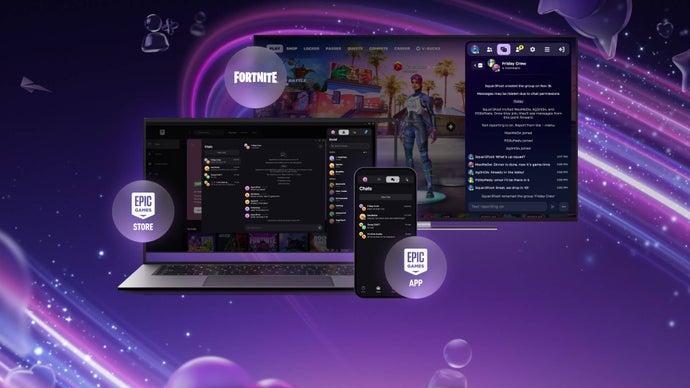
Allison detailed that the year 2026 will be crucial for the platform, promising "a year of big improvements" focused on three main pillars: speed, new social features, and an overall more polished experience. The team plans to drastically optimize client performance, reducing load times and improving stability. Furthermore, more advanced social features will be implemented, possibly including integrated forums, friend recommendation systems, and communication tools that bring the platform closer to Steam's capabilities. "We're going to fix the fundamental things first," Allison stated, acknowledging that they have prioritized library growth and business deals over client quality, a strategy they now seek to reverse.
The impact of these statements and promises is significant. For users, it represents hope that the platform will finally listen to their criticisms and offer a competitive experience. For developers, especially independents who rely on the store's visibility and tools, a more robust Epic Games Store could mean a more viable alternative to Steam. However, skepticism persists, given the platform's track record and the fact that substantial improvements are projected for almost two years from now. The gaming community has reacted with a mix of approval for the honesty and caution regarding the long-term promises, remembering that concrete actions speak louder than words.
In conclusion, Steve Allison's public admission is a bold strategic move seeking to reset expectations and demonstrate a new commitment to quality. As the Epic Games Store continues its uphill battle against Steam, the success of these promised improvements for 2026 will determine whether the platform can finally evolve from being a mere aggregator of free games to a complete digital ecosystem valued by players. Time will tell if these words translate into a client that stops "sucking" and becomes a genuine preferred option for the global video game community.