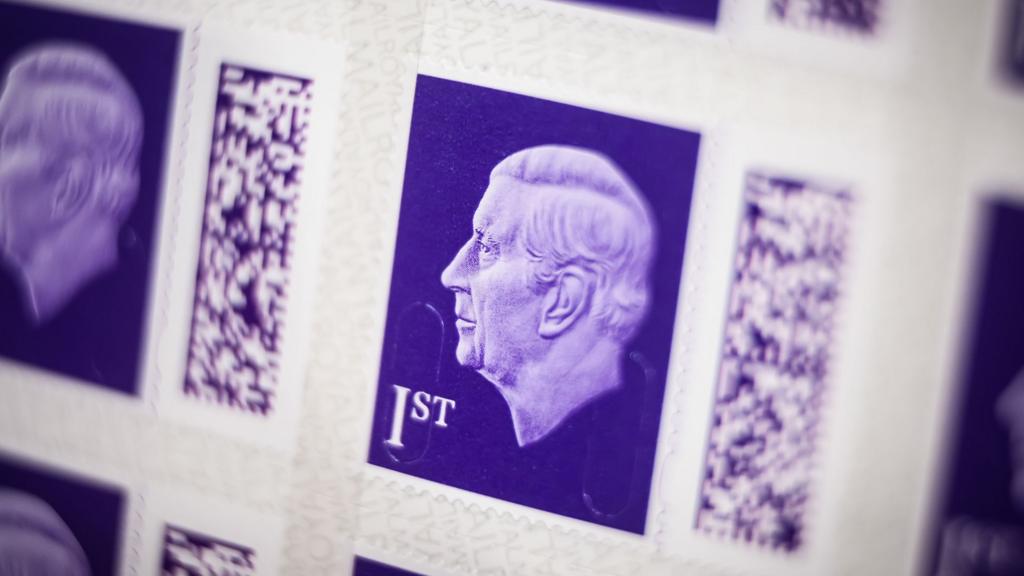
The British postal service, Royal Mail, has announced a significant increase in the price of First Class stamps, which will rise from £1.35 to £1.80 starting next month. This hike, representing an increase of approximately 33%, is one of the steepest in the recent history of the postal service and has sparked a wave of criticism from consumers and advocacy groups. The move comes amid a period of profound transformation for Royal Mail, which faces a steady decline in physical mail volume, fierce competition in the parcel sector, and financial pressures stemming from its universal service obligations.
The announcement was made by Ofcom, the UK's communications regulator, following a comprehensive review of the postal service's sustainability. Royal Mail, owned by International Distributions Services (IDS), had requested a relaxation of its service obligations, arguing that the current model is unsustainable. The company is legally required to deliver mail to every household in the country, six days a week—a mandate it considers burdensome in the digital age. The price increase is presented as a necessary measure to maintain the financial viability of the postal service, which has seen its letter volume drop by over 60% since its peak in 2011.
Relevant data provided by Ofcom shows that the volume of letters sent in the last fiscal year was approximately 7 billion, compared to over 20 billion a decade ago. Concurrently, operational costs, particularly wages and those associated with the delivery network, have continued to rise. Martin Seidenberg, CEO of IDS, stated: 'We are at a crossroads. Without regulatory changes and price adjustments, the universal postal service as we know it is at risk. This increase allows us to continue investing in modernizing our network and improving service for our customers.' However, consumer groups like Citizens Advice have expressed concern, noting that the disproportionate increase will particularly affect older people and those living in rural areas, who rely more heavily on postal mail.
The impact of this decision will be multifaceted. For consumers, it means a direct increase in the cost of sending letters, cards, and important documents, which could further accelerate the migration to digital communications. For small businesses and self-employed individuals who still depend on physical mail for invoices, contracts, or direct marketing, it represents a rise in operational costs. On a macroeconomic level, the increase reflects broader tensions in essential public services within a context of high inflation and pressure on household budgets. Furthermore, it raises fundamental questions about the future of the universal postal service in the digital age and whether traditional business models can adapt.
In conclusion, the rise in the First Class stamp price to £1.80 is more than a mere tariff adjustment; it is a symptom of the deep transformational crisis facing the global postal industry. As Royal Mail attempts to balance its books and modernize its operations, users are confronted with the reality of an essential service becoming rapidly more expensive. The decision is likely to reignite the debate on universal service reform and the state's role in ensuring affordable postal services. The future of 'snail mail' in the UK appears uncertain, and this price hike could be a tipping point towards irreversible decline or, conversely, the catalyst for a necessary reinvention of the sector.