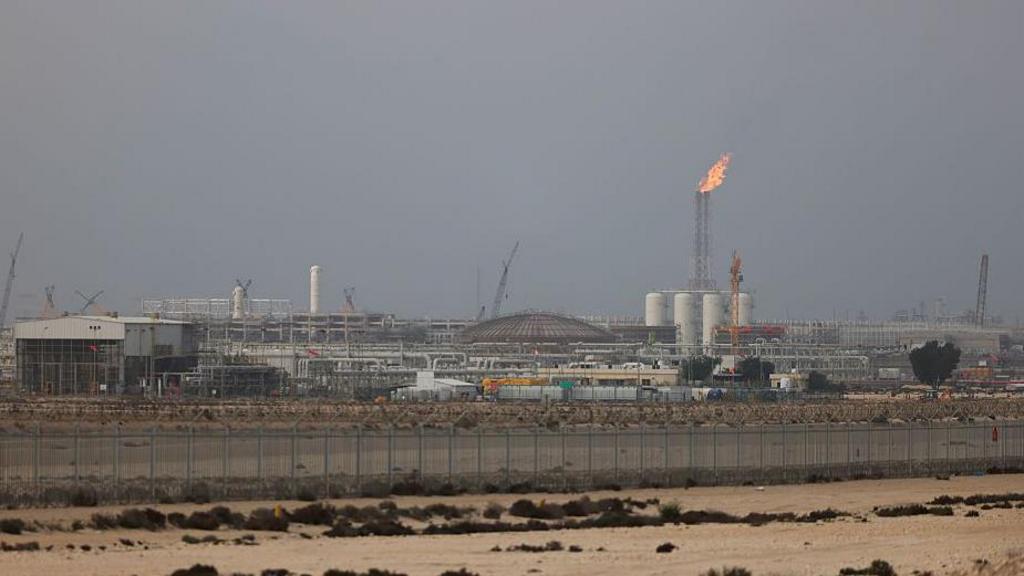
Global energy markets were rocked on Wednesday by an unprecedented warning from Qatar, indicating that all oil production in the Persian Gulf could come to a halt within days. This statement, made by a senior official from Qatar's Ministry of Energy at a conference in Doha, triggered an immediate reaction in futures markets, with Brent crude oil surging past $92 per barrel, its highest level in ten months. The warning comes amid escalating geopolitical tensions in the region, including the ongoing Israel-Hamas conflict, Houthi attacks in the Red Sea, and direct threats to critical energy infrastructure.
The Qatari official, whose identity was not disclosed by the event organizers, argued that a coordinated attack on key export facilities or vital maritime chokepoints, such as the Strait of Hormuz, could have a catastrophic domino effect. "The interdependence of energy security systems in the region is total," the official stated. "A serious incident at a critical facility would not be isolated. It could trigger preventive shutdown protocols in multiple countries, halting up to 21 million barrels per day within 72 to 96 hours." This figure represents approximately 21% of global oil supply, a disruption that the International Energy Agency (IEA) has previously described in reports as the "worst-case scenario" for the global economy.
The current context is particularly volatile. The Strait of Hormuz, a strategic bottleneck through which nearly a third of the world's seaborne oil passes, has been a recurring flashpoint. Countries such as Saudi Arabia, the United Arab Emirates, Kuwait, Iraq, Iran, and Qatar itself depend on this waterway for their exports. Any threat to freedom of navigation, whether through mines, drone attacks, or suicide vessels, has historically led producers to consider shutting down pipelines and platforms as a protective measure. Qatar's warning appears to be a wake-up call to the international community to increase naval surveillance and preventive diplomacy, at a time when Western military capabilities are deployed across multiple fronts.
Sector analysts consulted for this report agree that, while a total shutdown is an extreme scenario, the mere probability has triggered speculative market reflexes. "Traders are pricing in a geopolitical risk not seen since the early months of the war in Ukraine," explains Claudia Fernández, head of commodity analysis at Global Finance. "The problem is that global crude inventories are at low levels, and OPEC+ maintains production cuts. There is no cushion to absorb a shock." Data from the U.S. Energy Information Administration (EIA) shows that strategic reserves in OECD countries are 15% below the average of the last decade, limiting response capacity.
The economic impact of this turbulence is already being felt. European and Asian stock markets closed with losses, particularly in the energy-intensive transport and manufacturing sectors. The euro and the yen have fallen against the dollar, a typical dynamic in times of risk aversion. G7 finance ministers, according to sources close to the discussions, are monitoring the situation "hour by hour" and have reactivated communication channels with Gulf producers. Meanwhile, major oil companies, from ExxonMobil to TotalEnergies, have issued internal communications advising their commercial fleets to exercise extreme caution in the Persian Gulf and Red Sea routes.
In conclusion, Qatar's warning serves as a stark reminder of the fragility that still characterizes the global energy system, deeply dependent on an unstable region. Beyond the speculative spike in prices, the episode underscores the urgent need for consumer powers to accelerate their diversification and energy transition strategies, while strengthening collective security frameworks for critical infrastructure. The coming days will be crucial in determining whether this alert translates into concrete diplomatic actions or whether, on the contrary, the market faces a new era of structural volatility in crude oil prices, with inflationary consequences for the entire planet.