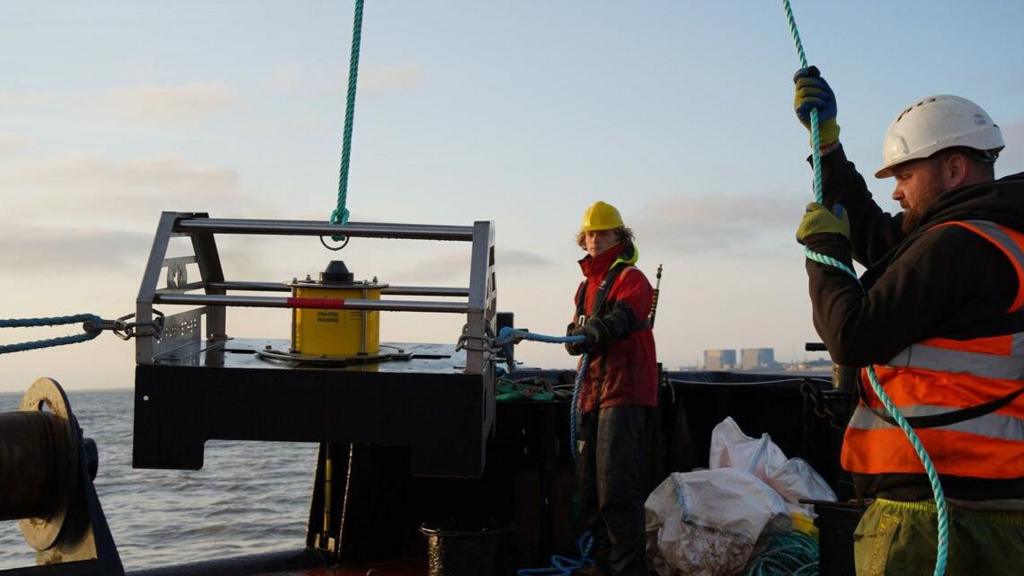
In an innovative solution that blends technology, ecology, and agriculture, a £50 million project, colloquially dubbed the 'fish disco', is being developed to protect both marine life and the UK's crucial farmland. The initiative, led by EDF Energy in collaboration with various engineering firms and marine biologists, aims to solve a persistent problem at the Sizewell B nuclear power station in Suffolk: the inadvertent suction of fish into the plant's cooling systems. This non-lethal technology uses underwater strobe lights and specific sounds to create a 'sensory barrier' that deters fish from approaching the water intakes, thereby preventing their capture and death. The project represents a significant advance in mitigating the environmental impact of critical energy infrastructure.
The context for this innovation stretches back decades of operational and regulatory challenges. Power stations, especially nuclear and fossil fuel plants that use seawater or river water for cooling, require vast volumes of water. The water intakes, essential for this process, act like giant vacuum cleaners, inevitably drawing in and trapping fish, larvae, and other aquatic organisms. This not only carries an ecological cost but can also cause operational shutdowns and expensive maintenance when systems become clogged. Historically, solutions have ranged from physical screens to bubble curtains, with limited effectiveness. The new 'Acoustic and Light Deterrent System' (ALDS) marks a paradigm shift, prioritizing animal behavior over physical filtration.
Relevant data underscores the urgency and potential of the solution. At Sizewell B, the water intakes extend 500 meters out to sea. It is estimated that, without intervention, the system could impact millions of marine organisms annually, including commercially important species like herring and plaice. The project, currently in a large-scale testing phase following successful lab and other site trials, has demonstrated a fish capture reduction rate of up to 90% under controlled conditions. The £50 million investment not only covers the system's development and installation at Sizewell but also funds a three-year monitoring program to assess its long-term impact on the local ecosystem. This investment compares favorably to the cost of regulatory fines for environmental impact and losses from unplanned outages.
Statements from those involved reflect the cautious optimism surrounding the project. An EDF Energy spokesperson stated: 'We are committed to an energy transition that is clean and responsible. This innovative system represents a monumental step in reducing our impact on the marine environment while ensuring a secure, low-carbon energy supply.' An independent marine biologist consulted on the project added: 'The beauty of this approach is its foundation in ethology. We are not harming the fish; we are simply leveraging their natural avoidance instincts to guide them away from danger. It is a far more elegant and sustainable solution.'
The impact of this technology, if proven fully successful, will be far-reaching. Beyond directly saving fish populations, its implementation could avert the need for compensatory measures that often consume valuable farmland. In the past, to mitigate the loss of aquatic habitat, regulators sometimes required the creation of new wetlands or the re-wilding of land, a process that can involve taking productive agricultural land out of production. By preventing the damage at source, the 'fish disco' helps preserve the status quo of land use, protecting national food security. Furthermore, the technology is scalable and exportable, offering a global solution for thousands of coastal power plants and desalination facilities worldwide.
In conclusion, the £50 million 'fish disco' project is a brilliant example of pragmatic ecological innovation. It demonstrates how advanced technology can resolve seemingly irreconcilable conflicts between critical industrial infrastructure and environmental conservation. By protecting marine life, it indirectly protects an even scarcer and more vital resource: the fertile farmland needed to feed a growing population. The success of this initiative at Sizewell B could set a new gold standard for responsible power plant operation, paving the way for a future where energy and ecology are not opposing forces, but complementary allies in the pursuit of sustainability.