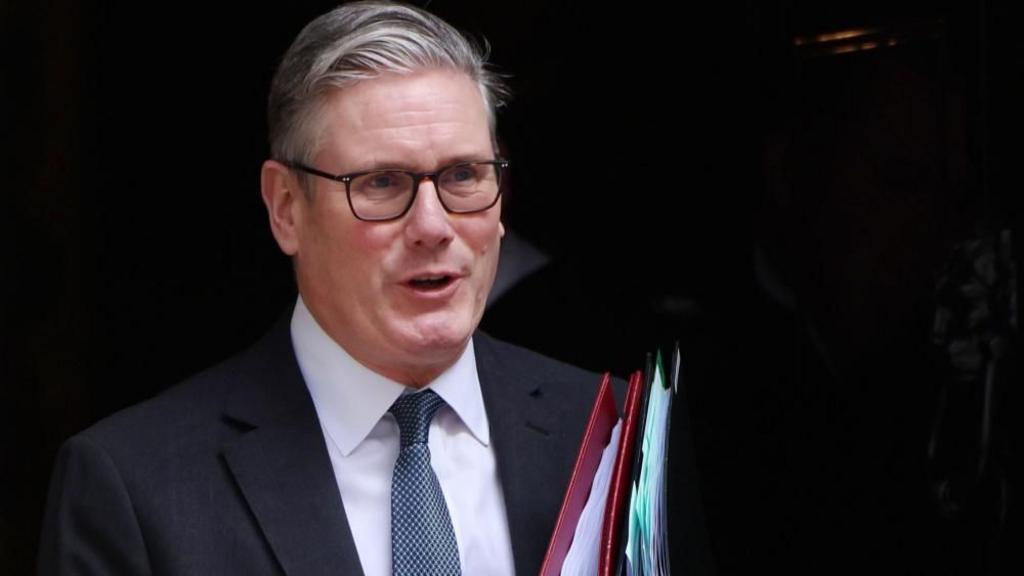
The government announced on Tuesday that it will keep its plan to increase the excise tax on fuel under strict review, citing the need to assess the impact of the volatile geopolitical situation in the Middle East, particularly tensions with Iran, on global energy prices. The Prime Minister's statement comes at a time of mounting inflationary pressure and public concern over the cost of living, highlighting the delicate balance between the state's fiscal needs and household economic stability.
The fuel tax, a significant source of revenue for the treasury, had been scheduled for a gradual adjustment as part of a broader fiscal consolidation package. However, the escalation of hostilities in the region, including incidents in the Strait of Hormuz and attacks on energy infrastructure, has introduced a high degree of uncertainty into international oil markets. Analysts warn that any significant disruption to supply from the Persian Gulf could trigger a price shock, exacerbating imported inflation and further eroding citizens' purchasing power.
"It is prudent and responsible to keep this plan under continuous review," the Prime Minister stated during a parliamentary question session. "Our absolute priority is to protect families and businesses from unnecessary volatility. The situation with Iran and its potential effect on global energy security is a critical factor we must monitor closely before proceeding with any fiscal changes in this sensitive sector." The statement was interpreted by economic observers as a signal that the government could postpone or substantially modify the tax increase if geopolitical risks materialize into a sustained spike in crude oil prices.
Data from the Ministry of Economy shows that hydrocarbon tax revenues account for approximately 5% of total collection, a non-negligible amount for public coffers. Nevertheless, the political and social cost of an increase amid a cost-of-living crisis could be high. Consumer groups and transport associations have expressed strong opposition to the measure, arguing that any hike would be directly passed on to the prices of essential goods and logistics services. On the other hand, some economists and international bodies have urged the government not to deviate from its fiscal consolidation path, emphasizing the importance of a solid tax base for the long-term sustainability of public finances.
The impact of this pending decision extends far beyond the gas pumps. It influences budget planning, the central bank's inflation projections, and investor confidence. A prolonged delay could raise doubts about the government's fiscal commitment, while implementation at an inopportune time could trigger social unrest. The conclusion is clear: in an interconnected world, domestic fiscal policy can no longer be formulated in a vacuum. It must respond, with agility and caution, to the crosswinds of global geopolitics. The crisis with Iran serves as a potent reminder of how events on the other side of the world can dictate economic decisions at home, forcing governments to walk a tightrope between fiscal responsibility and social protection.