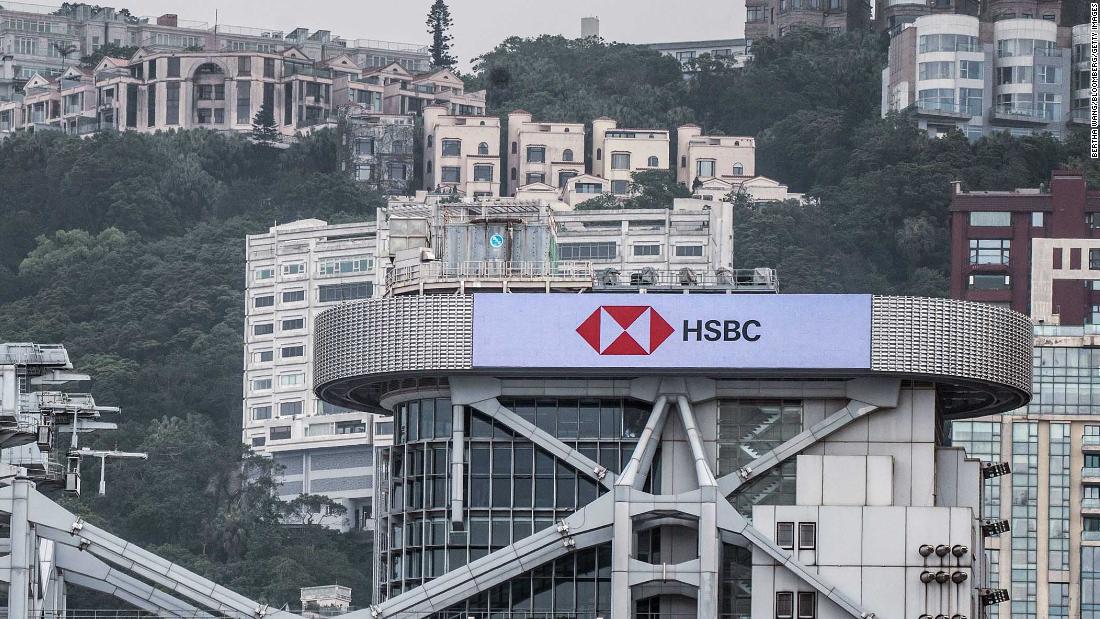
In a tense annual general meeting held this Monday in Hong Kong, HSBC's top executives faced a chorus of frustrated shareholders who renewed their calls for a breakup of the banking giant. The assembly, held in the bank's largest market, became a battleground between management, staunchly defending its unified global strategy, and a group of investors who believe the current structure destroys value and exposes the bank to unnecessary geopolitical risks, particularly in the West-China relationship.
Group Chairman Mark Tucker and Chief Executive Noel Quinn firmly defended the integrated business model, arguing that HSBC's global network is its greatest strength. "Our strategy is working," Quinn declared to shareholders. "The synergy between our networks in Asia, the West, and the Middle East creates unique value for our clients, many of whom operate across multiple jurisdictions. Breaking up the bank would fragment this fundamental competitive advantage and, in our assessment, destroy long-term value." The executives presented data on recent strong financial performance, including a rise in revenue and robust growth in the lucrative Asian market, to bolster their stance.
However, a vocal faction of shareholders, led in part by its largest individual shareholder, China's Ping An Insurance Group, remained unconvinced. Critics argue that HSBC's massive exposure to China, through its Hong Kong business, coupled with its UK headquarters and regulatory oversight, places it in an unsustainable position amid escalating tensions between Washington and Beijing. A minority shareholder who spoke at the meeting stated, "We are financially captive to a structure that exposes us to cross-sanctions and arbitrary political decisions. The 'bridge bank' between East and West is no longer viable in today's world. Spinning off its Asian business would unlock significant value that the market is not recognizing." This demand is not new but has gained momentum following sanctions imposed on some Hong Kong clients and increasing regulatory pressure on firms with Chinese ties.
The impact of this standoff extends far beyond the boardroom. A potential breakup of HSBC, Europe's largest bank by market value, would shake the foundations of the international financial system. Analysts note that a split could trigger a wave of similar restructurings at other institutions with complex global models, reshaping the architecture of global banking. Furthermore, it would test the financial relationship between the UK and Hong Kong, a historical pillar of the City of London. Operationally, a breakup would entail colossal costs, monumental legal complexities, and prolonged uncertainty for the group's 220,000 employees.
In conclusion, while HSBC's management leaves this meeting reaffirming its commitment to the status quo, shareholder pressure shows no signs of abating. The bank is at a strategic crossroads defined by geopolitics. The ability of Tucker and Quinn to navigate these turbulent waters, maintaining investor confidence and managing political risks, will determine not only the future of one of the world's most iconic banking institutions but will also serve as a case study for the viability of the globalized banking model in an era of increasing fragmentation. The upcoming quarterly results and votes at future general meetings will be the next checkpoints in this protracted corporate conflict.