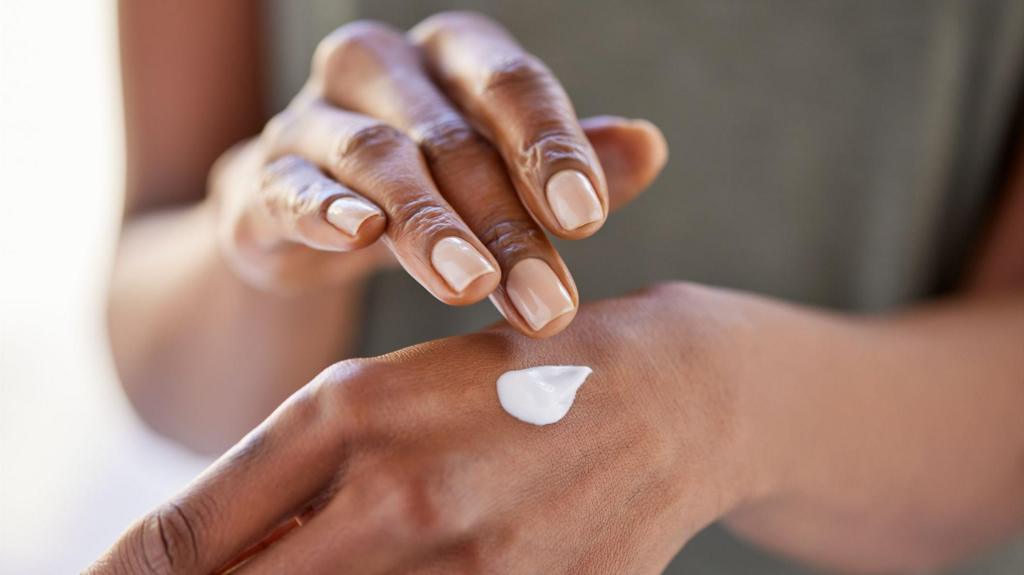
An investigation by UK trading authorities has uncovered a dangerous and alarming practice: the clandestine sale of illegal and potentially toxic skin lightening creams in unexpected retail outlets, including butchers and local grocery stores. The Trading Standards office has issued an urgent warning to consumers after seizing thousands of products containing banned and health-hazardous ingredients. These findings expose an underground distribution network capitalizing on the demand for skin-lightening products, posing a severe public health risk.
The context of this news is part of a persistent public health issue in the UK and globally: the illegal market for skin-bleaching cosmetics. These products, often marketed within communities with high African, Caribbean, and Asian diaspora populations, promise fast results but contain chemicals such as hydroquinone in concentrations far above permitted levels, potent steroids like clobetasol, and mercury—all prohibited in cosmetic products in the European Union and the UK due to their severe side effects. Their sale in butchers and small convenience stores bypasses the usual checks of pharmacy chains or specialized retailers, making them harder to trace and regulate.
Data gathered by Trading Standards teams in cities like London, Birmingham, and Manchester is stark. In a single recent operation, over 5,800 units of creams and lotions were seized, with an estimated black-market value exceeding £50,000. Laboratory analysis confirmed that most contained a cocktail of toxic ingredients. Hydroquinone, for instance, can cause ochronosis (a irreversible bluish-black darkening of the skin), liver damage, and increase cancer risk. Potent corticosteroids can thin the skin permanently, cause severe stretch marks and acne, and suppress adrenal gland function, leading to serious systemic problems.
Statements from authorities are clear and forceful. A Trading Standards spokesperson stated: 'We are dealing with a serious health hazard. These are not cosmetics; they are dangerous substances being sold illegally. Their distribution in places like butchers shows the clandestine and deceptive nature of this trade. We urge the public not to purchase creams without the CE mark or from unauthorized sources.' Meanwhile, consulted dermatologists have expressed deep concern. Dr. Anjali Mahto, a consultant dermatologist, said: 'In my clinic, I see the devastating consequences of these products: burned skin, irreversible hyperpigmentation, and long-term damage. The message is clear: there is no safe shortcut to drastically lighten skin.'
The impact of this revelation is multifaceted. Firstly, it highlights gaps in the consumer product surveillance chain, where illegal items can infiltrate seemingly legitimate businesses. Secondly, it underscores a profound social issue: the aesthetic pressure and colorism that drive demand for these dangerous products, often targeting vulnerable individuals seeking to conform to discriminatory beauty standards. Affected communities may lack access to adequate health information or be reluctant to engage with official channels. Finally, there is an economic impact on legitimate traders and a significant cost to the public health system, which must treat medical complications arising from the use of these creams.
In conclusion, the UK watchdog's warning about illegal skin lightening creams being sold in butchers is a critical wake-up call about a black market that thrives at the expense of public health and exploits deep-seated social issues. Combating this phenomenon requires coordinated action, including stricter law enforcement, culturally sensitive awareness campaigns within at-risk communities, and a continued effort to challenge the beauty standards that fuel this dangerous demand. The health of thousands is at stake, and the solution goes beyond seizures; it needs to address the root causes of the problem.