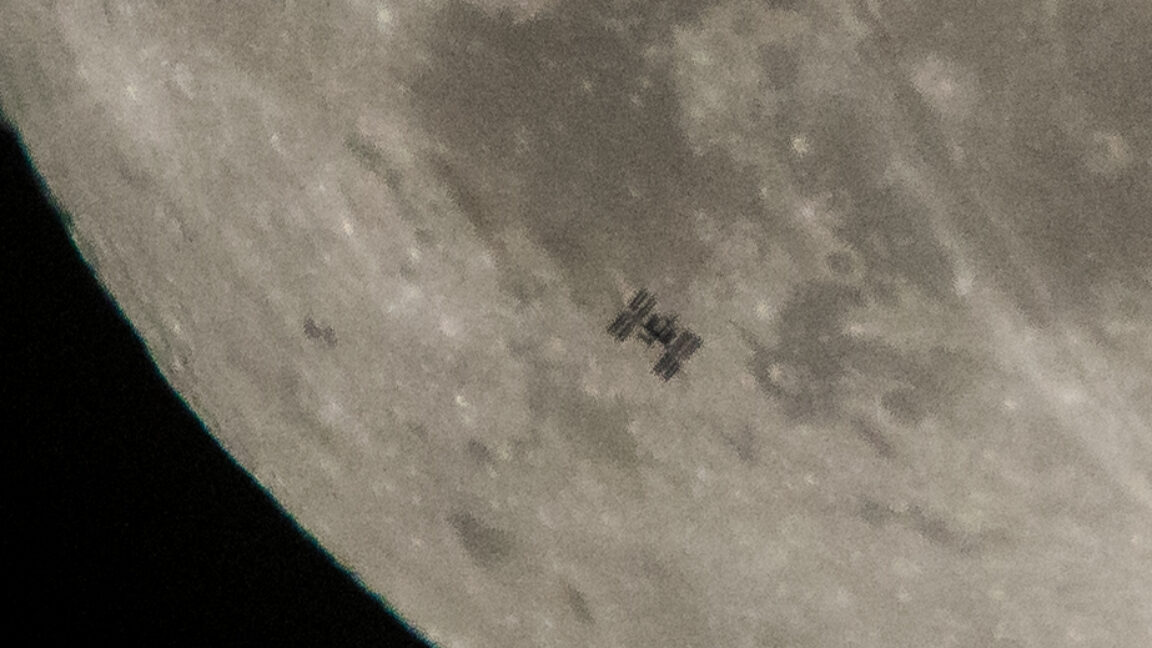
In a move that challenges the established end-of-life plans for the International Space Station (ISS), a group of U.S. lawmakers has posed a bold question: what would it take to 'store' the station in orbit rather than conduct a controlled deorbit? This request, formalized in a Congressional appropriations report, directs NASA to evaluate the "viability of transferring the ISS to a safe orbital harbor" once its operational life concludes, currently slated for around 2030. The mere asking of the question opens a profound debate about legacy, sustainability, and the future of human space cooperation.
The context for this request is critical. For decades, the accepted decommissioning plan for the ISS, a joint project of NASA, Roscosmos, ESA, JAXA, and CSA, has been a controlled re-entry over an uninhabited area of the South Pacific Ocean. This process, targeting the so-called "spacecraft cemetery," involves using docked Progress or Cygnus resupply spacecraft to perform a series of braking maneuvers that lower the station's altitude until the atmosphere captures and destroys it. However, this final fate, while practical, has been viewed by many in the space community as a tragic loss of a historically and technologically invaluable piece of infrastructure.
Relevant data underscores the magnitude of the challenge. The ISS is the largest and most complex structure ever built in space, with a mass exceeding 400 metric tons and a habitable volume equivalent to a six-bedroom house. Maintaining it in a stable "storage" orbit would require constantly countering residual atmospheric drag, even at higher altitudes, implying a continuous expenditure of propellant. Experts note that boosting the station to a higher graveyard orbit, around 800-1000 km above Earth, could consume a prohibitive amount of fuel. Furthermore, the structural integrity of a station not designed for long-term dormancy raises questions about system degradation, the risk of leaks, and the potential for it to become a massive source of space debris if it suffered an uncontrolled depressurization.
"We are at an inflection point in space exploration," stated an advisor to the House Commerce, Justice, Science appropriations subcommittee recently. "The question is not just technical, but philosophical. What value do we place on preserving our first permanent outpost in space? Could it serve as an orbital museum, a testbed for future robotic servicing technologies, or even as a core for a future commercial station?" This reflection captures the spirit of the Congressional request, which seeks to explore whether preservation, however costly, might offer long-term strategic or symbolic value justifying the investment.
The impact of this assessment could be significant. On one hand, a serious study on orbital storage could spur the development of new technologies, such as electric space tugs or advanced servicing robotics, creating a market for in-orbit logistics. On the other hand, it could divert resources and attention from NASA's primary goal: facilitating a transition to private, commercial space stations. Companies like Axiom Space, Blue Origin, and Sierra Space are already developing successor modules and stations that could initially dock with the ISS before operating independently. A costly effort to preserve the old station could, in theory, compete with funding for these new ventures.
In conclusion, the Congressional request for NASA to study 'storing' the ISS marks a crucial moment of reflection. As the agency and its international partners advance deorbit planning, this mandated evaluation will force a consideration of all alternatives. While the technical, cost, and safety hurdles to keeping the station intact in orbit are formidable, the simple act of asking the question underscores the deep cultural and historical significance of the ISS. NASA's resulting report will not only outline engineering options but will also, in some measure, define how humanity chooses to honor its first great feat of continuous space habitation: whether by retiring it respectfully into the ocean depths, or by preserving it as a silent, monumental beacon in the sky for future generations.