In a statement that has rocked the aerospace industry, NASA Administrator Bill Nelson has labeled the failures in Boeing's Starliner program as "one of the worst" in the history of the U.S. space agency. This severe assessment comes after years of delays, cost overruns, and technical problems that have plagued the development of the capsule designed to ferry astronauts to the International Space Station (ISS), casting doubt on the reliability of a cornerstone of NASA's commercial crew program.
NASA's Commercial Crew program, launched over a decade ago, aimed to foster private competition for astronaut transportation, ending reliance on Russian Soyuz rockets. The agency awarded multibillion-dollar contracts to two companies: SpaceX, with its Crew Dragon capsule, and Boeing, with the CST-100 Starliner. While SpaceX has successfully completed multiple operational missions since 2020, Boeing's path has been marred by adversity. Starliner's first uncrewed test flight in December 2019, known as the Orbital Flight Test (OFT-1), failed to reach the correct orbit to dock with the ISS due to a critical software timing error. A second uncrewed attempt in May 2022 (OFT-2) successfully docked but revealed new issues with thrusters in the spacecraft's maneuvering system.
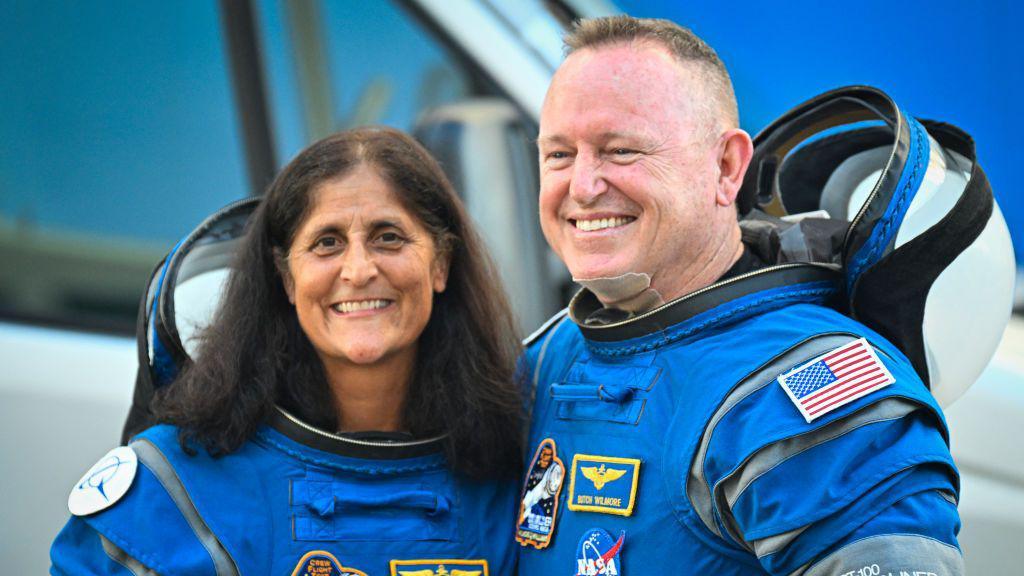
The most recent and serious problems emerged during Starliner's first crewed mission, the Crew Flight Test (CFT), launched in June 2024 with NASA astronauts Butch Wilmore and Suni Williams aboard. Shortly after launch, multiple failures were identified in the Reaction Control System (RCS) thrusters and a persistent helium leak in the spacecraft's propulsion system. Although the capsule managed to dock with the ISS and the crew returned safely, these issues forced an extension of the mission for exhaustive in-orbit analysis and testing, raising serious concerns about the vehicle's final certification for regular operational missions.
"The chain of failures in the Starliner program is deeply concerning," stated Bill Nelson during a recent hearing before the House Science Committee. "When compared to the history of other crewed spacecraft development programs at NASA, the frequency and nature of these setbacks place it among the most difficult experiences we have had. The safety of our astronauts is paramount, and we cannot compromise on it." This statement is not only a severe blow to Boeing's reputation, a company with a long history in aviation and space, but also highlights failures in oversight and quality assurance processes.
The impact of this assessment is multifaceted. For NASA, it threatens the fundamental principle of the Commercial Crew program: having two independent and redundant providers to ensure constant access to the ISS. Currently, the agency relies almost exclusively on SpaceX. For Boeing, it represents a reputational and financial crisis, with billions of dollars in cost overruns absorbed by the company and an uncertain future for the Starliner program. The company has issued a statement acknowledging the challenges and committing to work "tirelessly with NASA to resolve all outstanding issues and demonstrate Starliner's safety and reliability."
Industry experts point out that Starliner's problems are symptomatic of deeper cultural and management issues within Boeing, which have also manifested in its commercial aviation division in recent years. A lack of a culture of transparency and the prioritization of schedules and costs over meticulous engineering appear to be recurring factors. The conclusion is clear: the Starliner program is at a critical crossroads. NASA will likely demand a comprehensive technical and management review before approving any long-duration operational mission. Boeing's ability to rectify these systemic issues will determine not only the future of its capsule but also its role as a key partner in the next era of space exploration, including missions to the Moon.