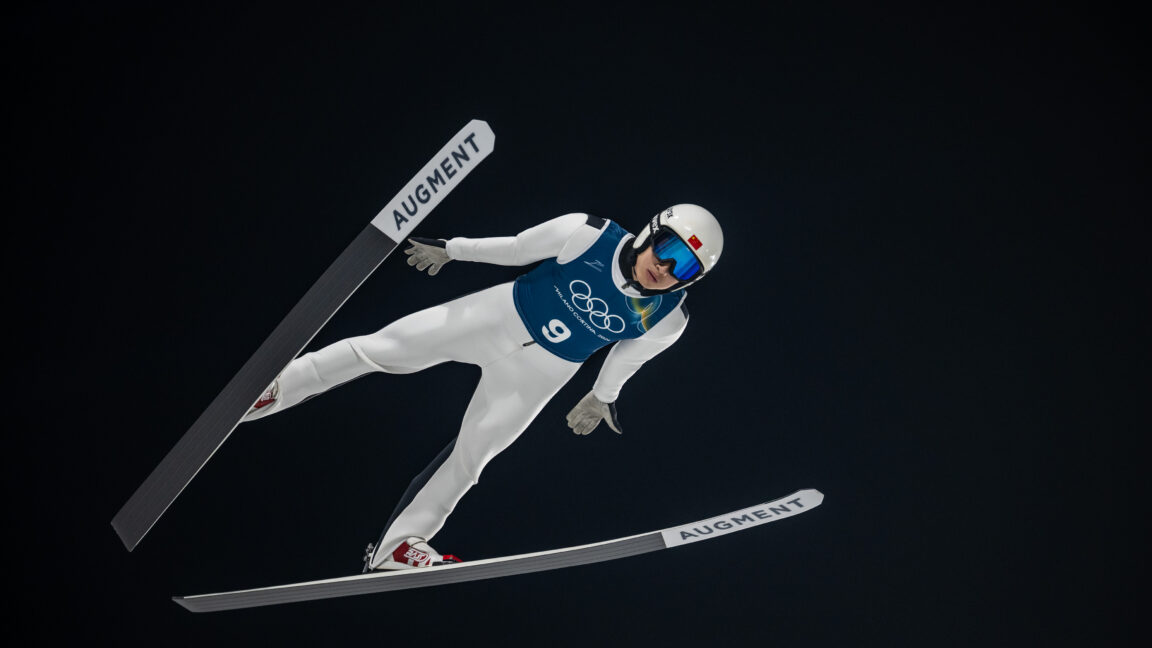
An unusual and controversial debate has erupted in the Olympic environment, temporarily shifting focus from athletic feats to a delicate and unconventional topic: allegations that some athletes, specifically ski jumpers, might be using filler injections to increase the size of their genitals. This phenomenon, quickly dubbed 'Penisgate' by the international press, has opened a Pandora's box regarding ethical boundaries, health risks, and extreme pressures in elite sports. Although the claims initially lack official confirmation from Olympic committees or sports federations, the mere circulation of these rumors has generated a torrent of discussion in the media, social networks, and among fans.
The context of these allegations lies within the eternal search for competitive advantages, legal or not, in professional sports. Historically, the focus has been on blood doping, steroid use, or technological manipulation of equipment. However, the notion of modifying physical characteristics not directly related to muscular function or endurance to gain an aerodynamic or psychological advantage represents a new and murky frontier. In sports like ski jumping, where aerodynamics and body position in the air are crucial for distance and stability, any alteration of body mass and its distribution could, in theory, influence performance. Biomechanics experts consulted generically for this type of debate note that any change in mass, however minimal, alters the center of gravity and the airflow around the body.
Beyond the potential competitive advantage, the scandal has focused on the serious medical risks associated with non-essential cosmetic procedures performed for performance purposes. Injectable dermal fillers, when not administered by medical professionals in sterile environments for legitimate therapeutic or cosmetic purposes, carry dangers such as infections, tissue necrosis, embolisms, allergic reactions, and deforming results. The idea that young athletes might undergo such practices under the pressure to win reflects a dark and worrying side of high-level sports culture. 'The absolute priority must be the health and physical integrity of the athlete,' a spokesperson for a sports medical organization would typically state. 'Any procedure that risks a person's well-being for a supposed marginal advantage is deeply unethical and dangerous.'
The impact of 'Penisgate' goes beyond the anecdotal. First, it forces regulatory bodies, such as the World Anti-Doping Agency (WADA), to consider whether this type of body modification falls within their scope. Currently, the World Anti-Doping Code focuses on prohibited substances and methods that enhance performance, are dangerous to health, or violate the spirit of sport. A permanent or semi-permanent physical modification via fillers could fall into a legal gray area. Second, the scandal affects the public image of the implicated sports and the Olympic Games themselves, raising uncomfortable questions about how far some competitors are willing to go. Finally, it serves as a somber reminder of the psychological and physical pressures faced by elite athletes, where the pursuit of perfection can lead down unexpected and risky paths.
In conclusion, although the specific allegations of 'Penisgate' at the Olympic Games require verification and concrete evidence, the debate they have generated is very real and necessary. It exposes the constant evolution of ethical boundaries in sports, underscores the critical importance of safeguarding athlete health above any result, and challenges institutions to examine their regulations to cover new forms of potential physical manipulation. The Olympic spirit, based on fair play, human excellence, and respect, is tested by these controversies, demanding deep reflection on what kind of sport we want to foster for future generations.