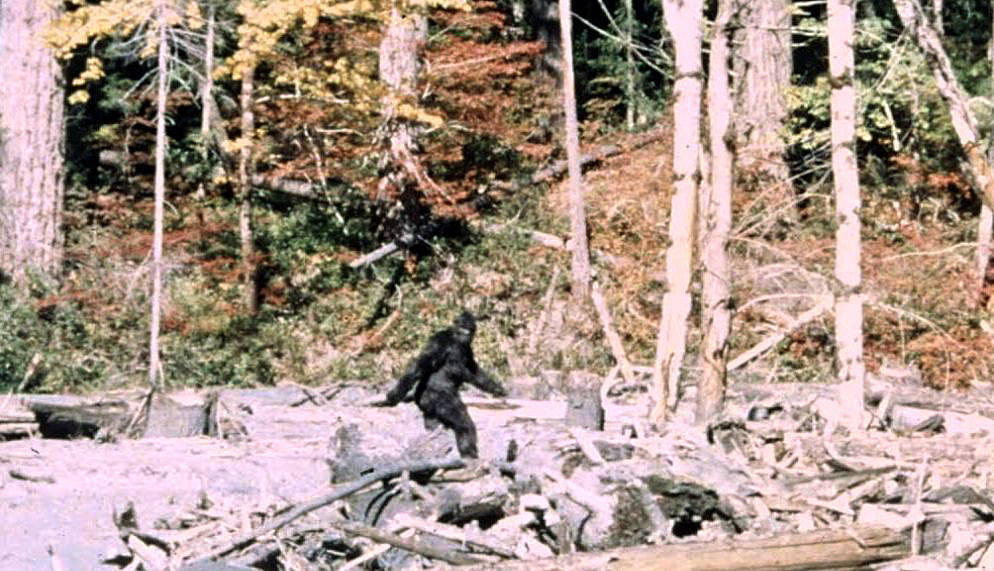
An unprecedented academic study has plunged the cryptozoological community into a new spotlight. A research team from the University of Central Florida and the University of Florida has completed a series of in-depth interviews with 130 Bigfoot hunters, also known as Sasquatch seekers, in an attempt to understand not just the pursuit of the creature, but the motivations, beliefs, and experiences of those who dedicate their time to finding it. The project, which began several years ago, sought to apply a sociological and anthropological framework to a cultural phenomenon often relegated to the margins of science and sensationalist entertainment.
The context for this research is a popular culture saturated with sightings, television documentaries, and conspiracy theories. Yet, the scholarly approach is novel. The researchers, led by Dr. David Rodriguez, an associate professor of sociology, designed the study to treat Bigfoot hunters not as eccentrics, but as participants in a subculture with its own norms, knowledge networks, and belief systems. "We wanted to move beyond the binary debate of 'does it exist or not?'" Rodriguez explained in a preliminary statement. "That question, while central, often obscures the rich human landscape involved. These people invest significant resources, time, and emotional energy into this pursuit. Understanding why and how they operate tells us a lot about narrative, faith, and human interaction with the unknown."
The data collected is qualitative and rich with personal narratives. The researchers traveled to conferences, organized expeditions, and field research group meetings in regions notorious for sightings, such as the Pacific Northwest, the Appalachians, and the Florida swamps. The interviews, lasting between one and three hours, covered topics ranging from personal encounters with what interviewees believed was Bigfoot, to their research methodologies, their interpretations of evidence like footprints and vocalizations, and their often-strained relationships with the established scientific community. A key finding was the diversity within the community. It is not a monolith. It ranges from citizen scientists employing trail cameras and environmental DNA analysis to individuals whose searches are deeply intertwined with spiritual beliefs or connections to Native American folklore.
A recurring quote from interviewees, which became a sort of unofficial motto of the study, was: "It ain't no unicorn." This phrase, according to the researchers, encapsulates the conviction of many hunters that Bigfoot is a biological, terrestrial, and possibly primate creature, not a mythical or supernatural being. "They are arguing for its zoological plausibility," noted co-investigator Dr. Maria Chen. "They point to the vastness of unexplored forests, the relatively recent discovery of large mammals like the okapi, and what they see as a substantial body of anecdotal and physical evidence dismissed by institutional bias." Many interviewees expressed deep frustration with what they perceive as mainstream science's disdain, comparing their plight to that of researchers into phenomena once ridiculed but later accepted.
The impact of this study is multifaceted. For academia, it provides a valuable dataset on subcultures and the sociology of belief. It illustrates how communities form around the pursuit of knowledge, even when that knowledge is rejected by the dominant consensus. For the public, it humanizes a figure often caricatured. The narratives reveal not just obsession, but also genuine scientific curiosity, a deep love for nature, and, in many cases, traumatic or transformative personal experiences that led them to the search. The study also documents the economic impact of the Bigfoot phenomenon on rural communities through cryptozoology tourism.
In conclusion, this research project transcends the simple question of an elusive creature's existence. By giving voice to 130 Bigfoot hunters, the researchers have mapped a complex cultural landscape where fringe science, folklore, personal identity, and a yearning for mystery intertwine. The study does not prove or disprove Sasquatch's existence; instead, it compellingly demonstrates that the pursuit itself is a significant social phenomenon worthy of serious study. As Dr. Rodriguez summarizes: "Whether Bigfoot is out there in the woods or not, it definitely exists here, in the minds, communities, and cultures of those who seek it. And that existence is very real." The full research is expected to be published in the "Journal of Contemporary Ethnography" next month.