A coalition of U.S. states, led by Democratic attorneys general, has filed a federal lawsuit against President Donald Trump's administration, alleging that newly announced global tariffs are "unlawful" and exceed executive authority. The legal action, filed in the U.S. Court of International Trade, seeks to block the implementation of the duties, which would affect a wide swath of imports ranging from electronics components and steel to agricultural products and consumer goods. The plaintiffs argue that the White House is using an expansive and unprecedented interpretation of Cold War-era trade laws to impose rates that will severely harm state economies, raise costs for consumers, and destabilize already strained global supply chains.
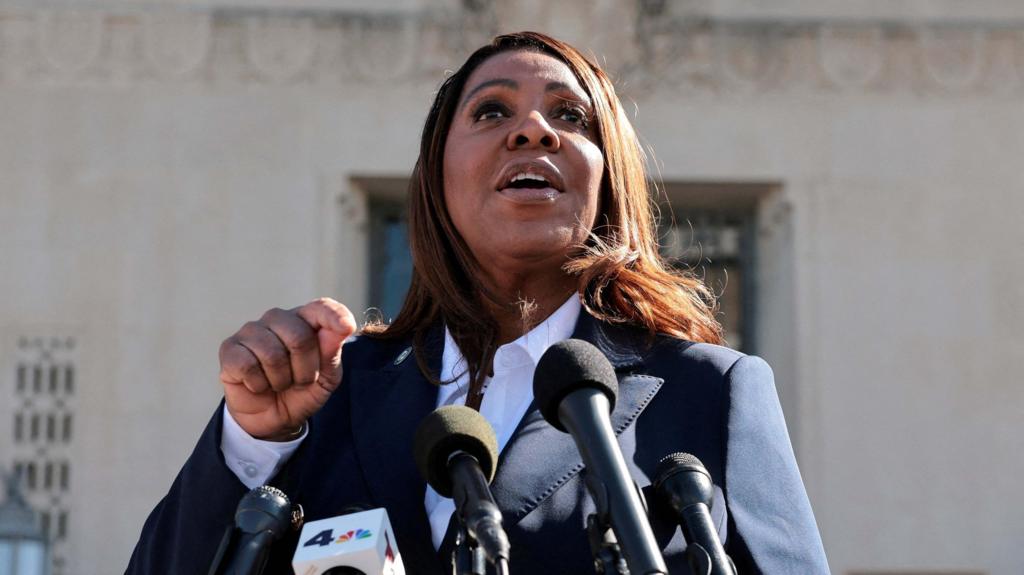
The context for this lawsuit dates back to the presidential proclamation issued last month, in which the Trump administration invoked Section 232 of the Trade Expansion Act of 1962, claiming that certain imports pose a threat to U.S. national security. This same justification was previously used to impose tariffs on steel and aluminum in 2018, which also sparked a wave of legal disputes and international trade retaliation. However, the new order is significantly broader, encompassing product categories that the suing states argue have no credible connection to national security. "This is a flagrant overreach of power," declared New York Attorney General Letitia James at a press conference. "The president does not have unilateral authority to rewrite the rules of global trade and tax everyday Americans under the guise of a manufactured national security emergency."
Economic data presented in the lawsuit paints a concerning picture. The states estimate that the new tariffs, ranging from 10% to 25% depending on the product, could raise costs for manufacturing and agricultural businesses by billions of dollars annually—costs likely to be passed on to consumers in the form of higher prices. Sectors such as electronics, automotive, and agriculture, which rely heavily on imported components and materials, would be particularly hard-hit. The lawsuit cites studies predicting the loss of tens of thousands of jobs in the plaintiff states if the tariffs are fully implemented. Furthermore, it argues these measures undermine post-pandemic economic recovery efforts, creating uncertainty and discouraging investment.
Statements from state officials underscore the bipartisan nature of the concern, though the legal action is led by Democrats. "Our state economy is built on trade," said the Governor of an affected state. "These tariffs are a tax on working families and a blow to our farmers and manufacturers. We are in court to defend our state's jobs and the rule of law." The Trump administration, for its part, has defended the measures as necessary to correct decades of "unfair" trade practices and to boost domestic production in critical industries. A spokesperson for the U.S. Trade Representative stated: "The president is using legal tools at his disposal to protect American workers and industries. These actions are legal, appropriate, and essential for our long-term economic security."
The impact of this legal battle extends beyond U.S. borders. Key trade partners in Europe, Asia, and the Americas have expressed "deep concern" and are considering their own legal responses at the World Trade Organization (WTO). The dispute threatens to trigger a new escalation in global trade tensions, similar to the tariff wars of recent years but with potentially greater scope. Analysts warn that a ruling in favor of the Trump administration would set a dangerous precedent, granting broad tariff powers to the executive branch with limited congressional oversight. Conversely, a victory for the states would reinforce constitutional checks and balances but could face a swift appeal from the Department of Justice.
In conclusion, this lawsuit represents a high-stakes constitutional and economic showdown. It not only challenges the limits of executive power on trade policy but also puts at stake the immediate economic stability of multiple states and the United States' position in the multilateral trading system. The outcome of the case will likely influence U.S. trade policy for years to come, regardless of which party controls the White House. As the Court of International Trade weighs the arguments, businesses and global markets are watching nervously, aware that the resolution could redefine the rules of international trade in an era of rising protectionism and geopolitical rivalry.