The streaming community is on high alert following Discord's announcement of stricter age verification checks. Prominent figures in the industry, including streamers with millions of followers, have publicly voiced their concern and distrust towards the new measures proposed by the communication platform. The debate emerges within a global context of increasing regulatory pressure on tech companies to protect underage users in digital environments, but many content creators fear the solution may be worse than the problem.
Discord, an essential platform for gaming, streaming, and fandom communities, has been working on systems to verify the age of its users, potentially requiring the upload of official identification documents or the use of facial analysis technology. This move responds to regulations like the UK's Online Safety Bill and the growing enforcement of child protection laws online in the United States and the European Union. However, the lack of transparency about how this biometric and personal data will be handled and stored is at the heart of the controversy.
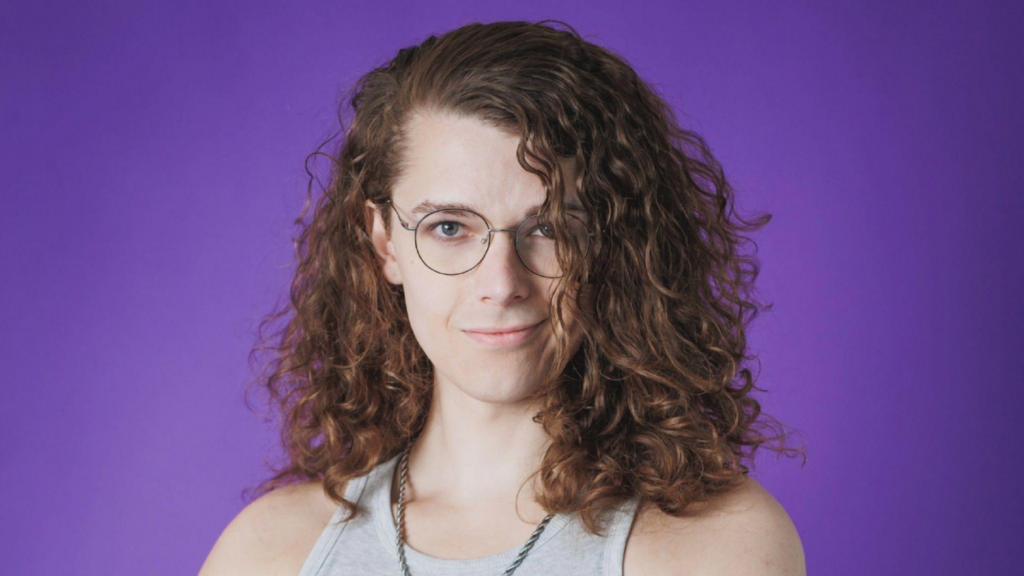
Several high-profile streamers have used their channels to criticize the plan. Their arguments focus on data privacy and security. 'I just do not trust them to handle such sensitive information,' stated a well-known streamer, reflecting a common sentiment. Others point to the history of data breaches at major tech companies and question whether Discord, which has faced its own moderation challenges, has the necessary infrastructure and ethics to safeguard government-issued identifications. For creators, whose careers and communities depend on the platform, the mandate to verify their age or that of their followers presents practical and ethical dilemmas.
The potential impact is significant. Discord is not just a chat app; it is the operational hub for thousands of communities that generate content, organize events, and sustain digital economies. The introduction of verification barriers could fragment these communities, deter participation from legitimate users wary of sharing their ID, and create an administrative burden for server moderators. Furthermore, there is a fear that these systems may not be foolproof and could be circumvented, while penalizing rule-abiding users.
In conclusion, while the intention to protect minors online is unquestionably laudable, Discord's proposed implementation has clashed with the distrust of its most visible users. This case highlights the difficult balance between safety and privacy in the digital age, and the growing disconnect between corporate decisions and the communities that inhabit their platforms. The outcome of this clash could define not only Discord's future but also set a precedent for how other social platforms will handle age verification in the coming years.