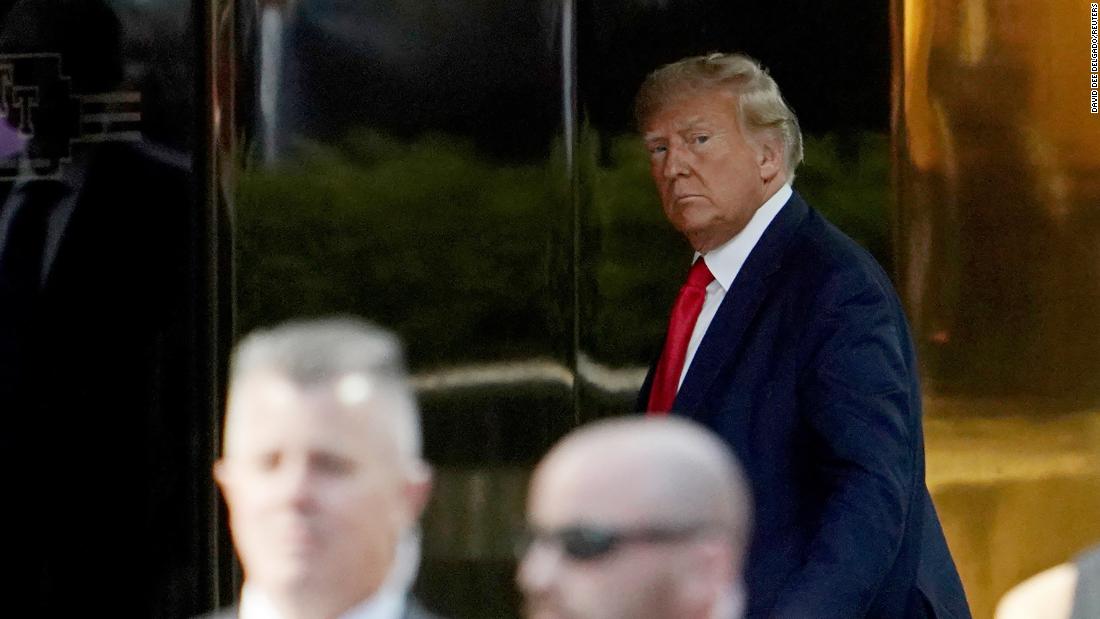
The nation braces for a historic moment in American politics. Former President Donald Trump is scheduled to appear before a federal court in Miami on Tuesday, following his formal indictment by a federal grand jury in a case concerning the mishandling of classified documents. This event marks the first time in U.S. history that a former president faces federal criminal charges, elevating political and legal tensions to an unprecedented level. The indictment, brought by Special Counsel Jack Smith, centers on the alleged unlawful retention of national defense documents and the obstruction of government efforts to recover them. According to the indictment, Trump kept hundreds of classified documents, some of the highest sensitivity, at his Mar-a-Lago residence in Florida after leaving the White House in January 2021, and then took steps to prevent authorities from retrieving them.
The context of this case traces back to a more than year-long investigation conducted by the Department of Justice. Prosecutors allege that Trump violated the Espionage Act, which prohibits the unauthorized retention of information related to national defense, and also obstructed justice by allegedly concealing documents and suggesting his attorney hide or destroy evidence. The indictment details a series of actions, including instructing an aide to move boxes of documents to prevent a Trump attorney from finding them during a search. This case is distinct from other investigations into Trump, such as the Georgia election interference probe or the New York hush money case, due to its federal nature and its focus on national security.
Relevant data includes the 37 charges filed against Trump, ranging from willful retention of national defense information to making false statements and conspiracy to obstruct justice. Among the documents in question are intelligence briefings on foreign military capabilities, nuclear programs, and defense vulnerabilities of the U.S. and its allies. The indictment notes that some of these documents were stored in unsecured areas of Mar-a-Lago, including a bathroom and a ballroom, accessible to club members and visitors. The investigation included testimony from numerous witnesses, including former White House aides and Mar-a-Lago staff, as well as surveillance footage that prosecutors say shows the movement of boxes.
Regarding statements, Trump's legal team has labeled the indictment a politically motivated "witch hunt" and an interference in the 2024 election, in which Trump is the leading Republican candidate. The former president stated on his Truth Social platform: "I am being indicted for a crime I did not commit, all to keep Biden in the White House." On the other hand, Special Counsel Jack Smith stated briefly after the indictment was filed: "The charges brought today are very serious. The men and women of the law enforcement and intelligence communities who protect our nation have sworn to safeguard our security, and we expect everyone to abide by that pledge." Legal analysts note that the defense strategy will likely focus on questioning intent and arguing that Trump, as a former president, had the authority to declassify documents.
The impact of this case is profound and multifaceted. Legally, it sets a precedent regarding the accountability of former presidents and tests the resilience of America's democratic institutions. Politically, it has further polarized the country, with Trump's supporters viewing the indictment as a partisan attack and his critics as a necessary application of the law. For the 2024 presidential campaign, it injects an element of uncertainty, though initial polling suggests the indictment has solidified Trump's support among the Republican base. Internationally, allies watch with concern over U.S. domestic political instability, while adversaries may seize the situation to question the morality of American leadership.
In conclusion, Donald Trump's appearance in federal court in Miami is not merely a routine legal proceeding; it is an inflection point in American history. The case will test the principle that no one is above the law, including former commanders-in-chief. Regardless of the outcome, the process is likely to be long, complex, and highly divisive, with ramifications that will extend far beyond the courtroom, affecting the political landscape, public trust in institutions, and the global perception of American democracy. The coming days and weeks will reveal how this unprecedented legal drama unfolds and how a deeply divided nation responds to one of the most singular challenges of its modern era.