The UK economy recorded zero growth in January 2024, according to official data published by the Office for National Statistics (ONS), a result that reflects the persistent fragility of the post-pandemic recovery and the mounting pressure from global geopolitical uncertainty. The figure, which came in at a 0.0% monthly change, contrasts with the 0.2% growth seen in December and occurs against a backdrop of rising international tension, particularly in the Middle East, which threatens to destabilize energy markets and supply chains. This stagnation places the country on the brink of a technical recession, after the economy contracted by 0.1% in the final quarter of 2023.
The sectoral landscape presented a mosaic of results. The services sector, which accounts for over 75% of UK economic activity, showed slight growth of 0.1%, driven mainly by retail trade after a weak December. However, this advance was completely offset by contractions in industrial production, which fell by 0.2%, and, more significantly, in the construction sector, which plummeted by 0.9%. Analysts point out that persistent inflation, although declining, and the high interest rates from the Bank of England (held at 5.25%, their highest level in 16 years) continue to cool demand and business investment. 'Households and businesses are still feeling the pinch from the cost of living and the cost of credit,' stated Suren Thiru, Economics Director at the Institute of Directors.
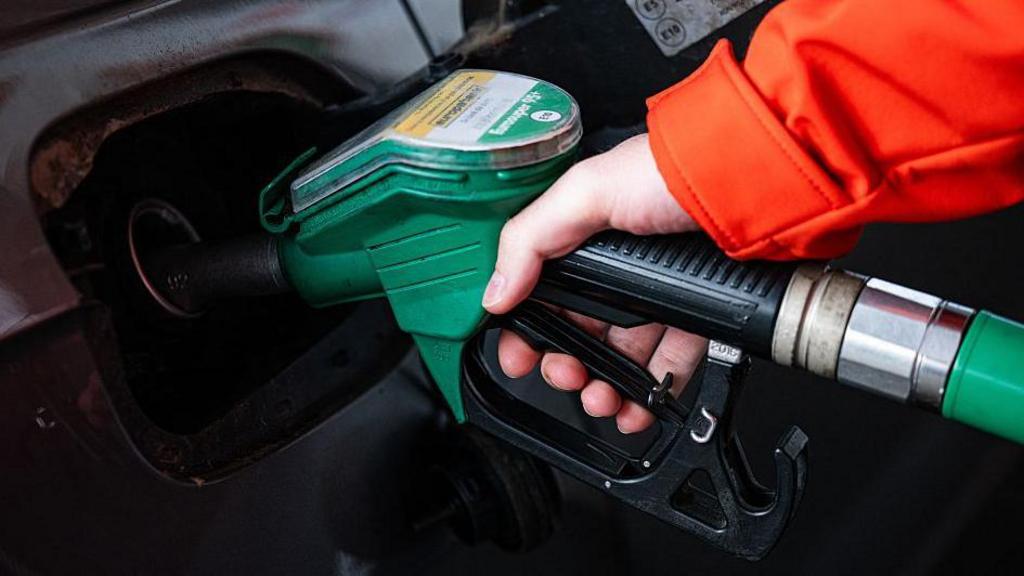
The international context adds an additional layer of complexity. Rising tensions in the Middle East, with the risk of an escalation of conflict directly involving Iran, have generated a wave of nervousness in financial markets. The prospect of a disruption to oil supply through the Strait of Hormuz, a critical chokepoint for global energy trade, has triggered volatility in crude prices. This external factor threatens to reignite imported inflationary pressures in the UK, just as the Bank of England is confident that inflation will continue its path towards the 2% target. A Treasury spokesperson stated: 'The economy has shown long-term resilience, but we are aware of the global challenges. Our priority remains reducing inflation to support sustainable growth.'
The impact of this stagnation is multifaceted. For the government, facing a general election this year, weak economic data represents a serious political challenge. The Prime Minister's promise to reignite growth is undermined by these figures, which will likely intensify the debate over fiscal and monetary policy. For households, it means the pressure on family budgets will not ease quickly, with real wages still struggling to regain lost ground. For businesses, the environment of uncertainty, both domestic and international, hinders long-term investment decisions, perpetuating a cycle of low potential growth.
In conclusion, January's zero growth is not just a statistical snapshot, but a symptom of an economy caught between domestic headwinds and global geopolitical storms. While the Bank of England weighs the right moment to begin cutting interest rates, the shadow of inflation and international instability complicates the calculation enormously. The resilience of the British economy will be tested in the coming months, depending on whether calm returns to global markets and whether monetary policy succeeds in unlocking demand without triggering new price spikes. The path to a solid and sustainable recovery appears, once again, steeper and more fraught with obstacles.