In a hearing that could redefine the fate of one of history's most emblematic international cooperation projects, U.S. lawmakers have posed a bold question to NASA: What would it take to 'store' the International Space Station (ISS) in a safe orbit after its retirement, instead of proceeding with a controlled deorbit? The request, formalized in a Congressional appropriations report, directs the space agency to evaluate the "viability of transferring the ISS to a safe orbital harbor" once its operational life concludes, currently scheduled for 2030. This mandate opens an unprecedented technical, financial, and geopolitical debate about the station's legacy.
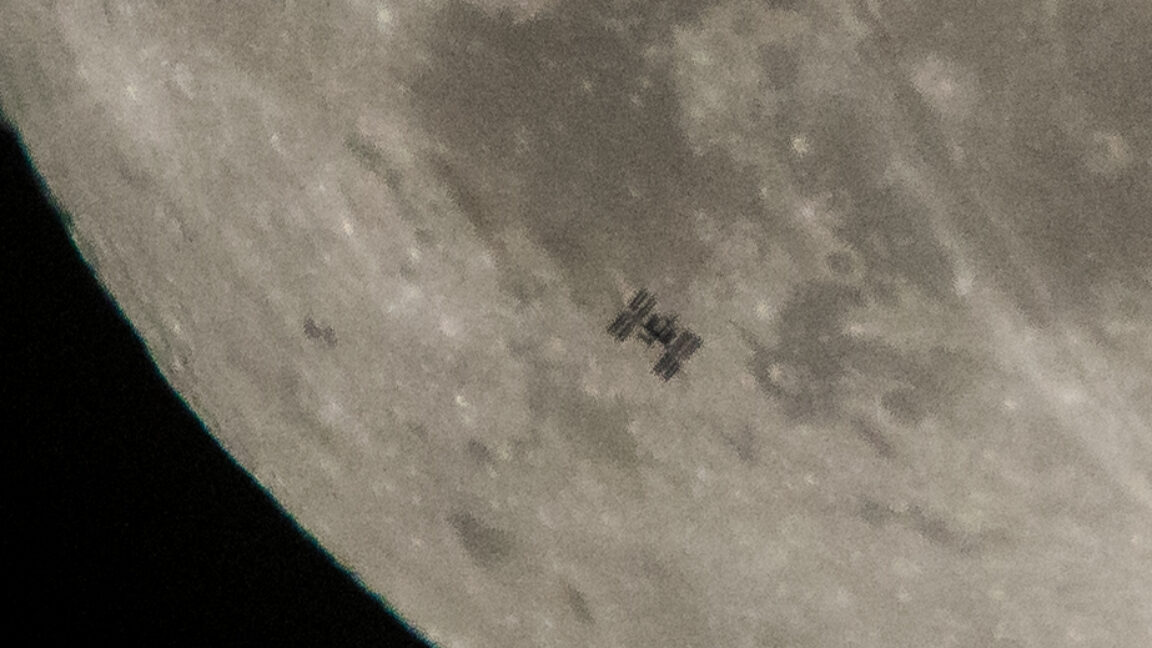
The ISS, an orbital laboratory the size of a football field, has been continuously inhabited by astronauts since 2000. It is the result of a unique collaboration between the United States, Russia, Europe, Japan, and Canada. NASA's official plan, developed in coordination with its international partners, has always been to perform a controlled deorbit, guiding the 450-ton structure to a remote point in the South Pacific Ocean. However, the new Congressional requirement reflects growing concern among some lawmakers and sectors of the space industry about the possibility of preserving this historic and technological asset. "It's a question worth exploring," stated an advisor to the Commerce, Justice, and Science appropriations subcommittee. "We've invested over $150 billion and decades of international effort into this engineering marvel. Is our only destiny really to watch it burn up in the atmosphere?"
The requested viability assessment will need to address monumental challenges. First, the technical aspect: the ISS was not designed to be 'parked' indefinitely. Its systems require constant maintenance and periodic propulsion to maintain altitude, countering atmospheric drag. A 'safe orbital harbor' would involve raising it to a much higher graveyard orbit, hundreds of kilometers above its current orbit, a process that would consume a massive amount of fuel. Experts from NASA's Office of Inspector General have previously estimated that the station's annual operating costs exceed $3 billion, a figure that would not simply disappear by moving it; in fact, it could increase to maintain it in a stable, uncrewed state.
Furthermore, there is the risk of creating the largest piece of space debris in history. Without active maintenance, the station would suffer degradation from micrometeoroid impacts and radiation, potentially generating fragments that would threaten other satellites in valuable orbits. "The idea of an 'orbital museum' is romantic, but it ignores the harsh reality of the space environment," warned Dr. Laura Forczyk, space analyst at Astralytical. "Without active care, it would become an uncontrollable hazard. And no one has budgeted the eternal cost of its surveillance and potential remote repair." The legal and ownership aspect is also a tangle. The modules belong to different nations, and any change to the intergovernmental agreement would require unanimous consensus, something difficult to achieve in the current geopolitical climate, especially with tensions between Russia and the other partners.
The impact of this assessment extends beyond the ISS. It sets a crucial precedent for the long-term sustainability of space activity. If orbital storage is deemed viable, it could spur the development of new technologies for spacecraft servicing, refueling, and towing, an emerging market in which companies like Northrop Grumman and SpaceX are already venturing. It would also force the international community to establish clear regulations for the final disposition of mega-space structures. On the other hand, critics argue that resources directed to this study could be diverted from the primary goal: ensuring a safe and orderly transition to new commercial space stations, such as those NASA is already fostering with companies like Axiom Space and Blue Origin.
In conclusion, the Congressional request, although technically challenging, has succeeded in opening a necessary debate about humanity's space heritage. The ISS is more than a set of metal modules; it is a symbol of what international cooperation can achieve. Its final fate will be a statement about how we value our history in space and how we plan to manage the next era of exploration. NASA's assessment, expected in the next fiscal year, will not only calculate costs and propulsion requirements but will also measure the political will and human ingenuity to preserve a fundamental chapter of our cosmic adventure. The answer could redefine the concepts of 'end-of-life' for the space infrastructures of the future.