The iconic Wedgwood porcelain factory, a symbol of British craftsmanship for over two centuries, is facing a new round of job cuts at its Barlaston plant in Staffordshire. The move comes after seventy workers were placed on temporary leave last year due to slowing demand, a situation management now views as structural rather than temporary. According to union sources and internal documents accessed by this outlet, the company will begin formal consultations with employee representatives to permanently reduce its workforce, impacting a significant number of positions in production and administrative departments.
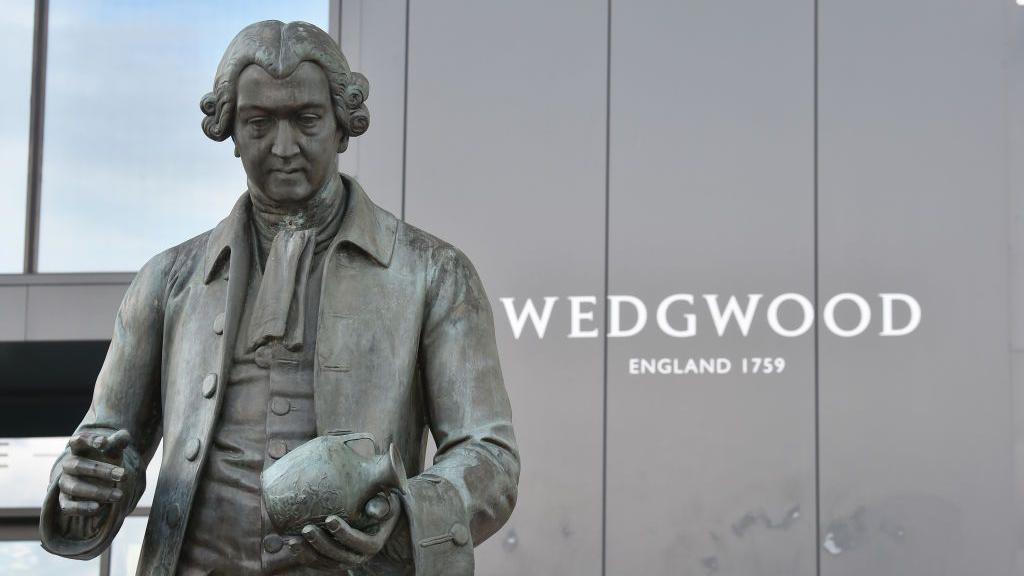
The context for this decision lies within a complex economic landscape for the luxury goods and high-end ceramics sector. Persistent inflation in the UK and Europe, combined with geopolitical uncertainty, has led consumers to prioritize spending on essentials, reducing discretionary purchases. Wedgwood, founded in 1759 by Josiah Wedgwood, has navigated numerous economic crises throughout its history, but the current combination of high energy costs for its kilns, rising raw material prices, and a weaker export market has created a perfect storm. The company, part of the Fiskars Group since 2015, had shown signs of recovery post-pandemic, but recent quarters have reversed that optimism.
Relevant sector data indicates that ceramic production in the UK has fallen by approximately 15% over the past year, according to the Confederation of British Industry. Exports, crucial for Wedgwood, have also contracted, especially to key markets like the United States and Asia. A company spokesperson, in prepared remarks, stated: 'We are in a consultation process with our colleagues following a prolonged period of lower-than-expected demand. Our priority is to support those who may be affected and to ensure the long-term sustainability of manufacturing in Staffordshire.' However, unions have expressed deep concern. A representative from Unite the Union declared: 'This is a devastating blow for a community with a deeply ingrained pride and skill in pottery. Management must explore all alternatives before sacrificing jobs that are the livelihood of entire families.'
The impact of these cuts will extend beyond the factory gates. The town of Barlaston and its surroundings have an economy deeply intertwined with Wedgwood's fortunes. Local suppliers, services, and the tourism sector associated with the Wedgwood Museum and factory tours could suffer ripple effects. Furthermore, there is a tangible fear about the erosion of the unique 'skill set' of the artisans, knowledge passed down through generations that is difficult to recover once lost. The news has also reignited the debate about government support for historic manufacturing industries in the face of global competition and shifting consumption patterns.
In conclusion, the job cuts at Wedgwood represent more than a corporate adjustment; they are an inflection point for one of the UK's most revered brands. While management seeks to ensure the company's financial viability, the challenge will be to balance necessary efficiency with the preservation of the cultural heritage and craftsmanship that defines its essence. The outcome of the consultations, expected in the coming weeks, will determine not only the future of dozens of employees but also the direction of a national icon in an uncertain economic era. Wedgwood's resilience will be tested once more, in another chapter of its long and tumultuous history.