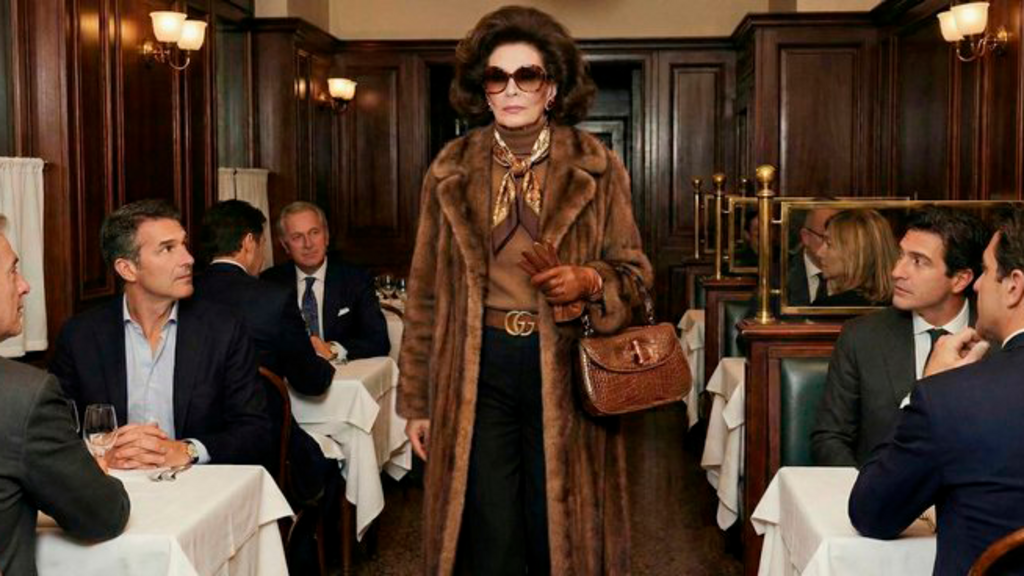
The iconic Italian fashion house Gucci finds itself at the center of a storm after publishing a series of AI-generated images to promote its upcoming runway show. The photographs, which feature models with distorted outfits and strange facial features, were quickly labeled "AI slop" by users on social media, sparking a debate on the ethical and aesthetic use of this technology in the luxury fashion industry. The incident occurs just before the presentation of the brand's Cruise 2025 collection, scheduled for next week in London, casting doubt on the creative strategy of one of the world's most influential fashion labels.
The context of this controversy is set at a time when artificial intelligence is transforming numerous industries, including fashion. Brands like Levi's and Moncler have previously experimented with AI for marketing campaigns, generating both enthusiasm and skepticism. However, Gucci, owned by the Kering group, appears to have crossed a line according to public perception. The images in question, shared on the brand's official accounts, present models with unrealistic body proportions, fabric patterns that merge unnaturally, and accessories that seem to melt. Critics argue that this content, far from appearing innovative, looks "lazy," "disturbing," and detached from the craftsmanship and human narrative that define luxury.
Relevant data indicates that the AI market in fashion and retail will reach $4.4 billion by 2027, according to a report by MarketsandMarkets. Despite this trend, a recent survey by consultancy McKinsey reveals that 62% of luxury consumers still value authenticity and the story behind a product over pure technological innovation. In statements to the press, a Gucci spokesperson defended the campaign, stating: "We are exploring new visual languages to engage with our audience. AI is a tool, not a replacement for our human creativity." However, this stance has not calmed the waters. Influential fashion critic Sarah Mower commented: "When a house with the resources of Gucci resorts to low-quality AI-generated images, it sends a dangerous message: that ease and speed are above art and craftsmanship."
The impact of this controversy is multifaceted. Firstly, it affects the brand's perception among its most loyal consumers, who expect excellence and authenticity. Secondly, it raises labor issues, as many digital artists and fashion photographers see AI as a threat to their livelihoods. Finally, it poses an ethical dilemma about transparency: should brands clearly label AI-generated content? The reaction on platforms like X (formerly Twitter) and Instagram has been predominantly negative, with hashtags like #GucciAIFail and #HumanCreativityMatters gaining traction. Some users have even launched online petitions asking Gucci to remove the images and apologize.
In conclusion, Gucci's stumble with AI serves as a crucial warning for the entire luxury industry. While technology advances at a dizzying pace, brands must carefully navigate between innovation and the preservation of the core values that define them: craftsmanship, authenticity, and a compelling human narrative. Next week's show in London will be closely watched not only for the garments presented but also for Gucci's ability to reconnect with its creative essence. This episode demonstrates that, in the world of high fashion, the adoption of new technological tools must be guided by rigorous aesthetic vision and deep respect for the audience. The future of fashion may be digital, but, as this case suggests, it cannot afford to be sloppy.