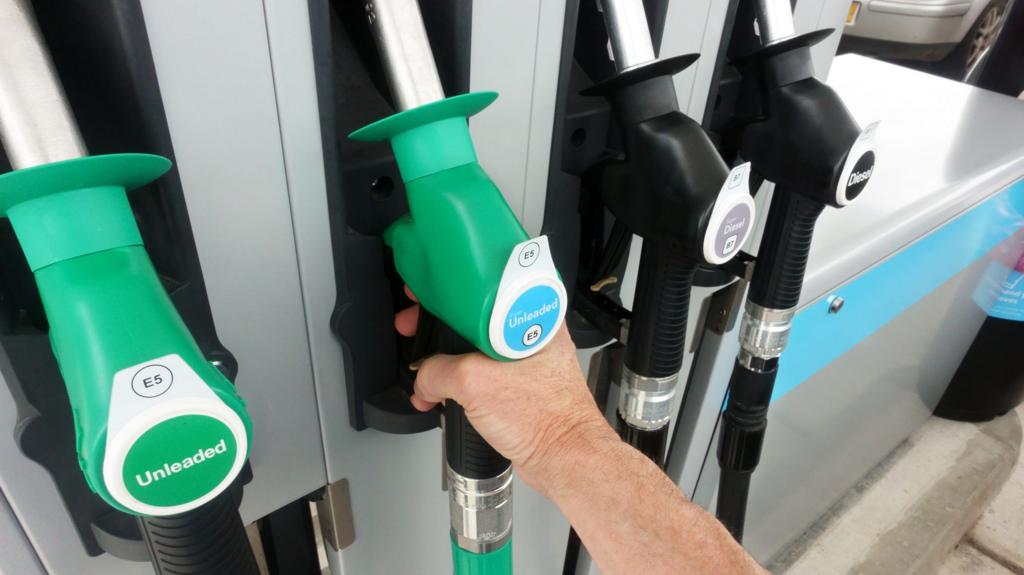
Drivers in Northern Ireland are enjoying unexpected relief at the fuel pumps, with prices having fallen significantly in recent weeks. This decline, which contrasts with the volatility seen in other European markets, is due to a combination of local and international factors reshaping the region's energy landscape. Analysis of consumer price data reveals a downward trend that is being welcomed with optimism by households and businesses, although experts warn of the potentially temporary nature of this phenomenon. The current situation offers a valuable opportunity to examine the complex dynamics governing energy prices in a small, open economy like Northern Ireland's.
The context for this price drop is deeply tied to global crude oil markets. Following the peaks recorded during the energy crisis after Russia's invasion of Ukraine, Brent crude prices have shown some stabilization at lower levels. Adequate global supply, driven in part by record production from countries like the United States, and somewhat weaker-than-expected demand, especially from China, have exerted downward pressure. However, the distinctive factor in Northern Ireland appears to be intense competition in the retail fuel sector. The presence of numerous independent forecourts and supermarket chains using low fuel prices as a loss leader has created an environment of fierce rivalry that benefits the consumer.
The most recent data from the Petrol Retailers Association (PRA) indicates that the average price per litre of unleaded petrol in Northern Ireland has fallen below £1.40, while diesel is near £1.45. These figures represent a reduction of over 5% compared to yearly highs. "Competition between retailers is the main driver of this fall," stated Gordon Balmer, Executive Director of the PRA. "When a major supermarket lowers its prices, local competitors are forced to follow suit to avoid losing customers. It's a cycle that, for the moment, is working in the driver's favour." This dynamic is particularly visible in urban areas and main corridors, where the concentration of service stations is higher.
Beyond competition, other structural elements are at play. Northern Ireland benefits from its geographical proximity and trade links with the Republic of Ireland and Great Britain, facilitating a relatively efficient supply chain. Political stability following the restoration of the Stormont executive has also contributed to a more predictable business environment. However, analysts underline the vulnerability of this trend. "Fuel prices are inherently volatile and subject to geopolitical shocks," explained Dr. Karen Brown, an energy economist at Queen's University Belfast. "Any disruption to supply in the Red Sea, an escalation in the Middle East conflict, or a decision by OPEC+ to cut production could reverse these declines within weeks. Consumers should appreciate the relief but not take it for granted."
The impact of lower fuel prices is multifaceted. For households, it means a respite in the cost of living, freeing up income for other essential or leisure spending. For businesses, especially those with transport fleets such as logistics, construction, and agriculture, it translates into a direct reduction in operational costs, which can improve competitiveness and potentially contain the prices of goods and services. The tourism sector could also benefit, as road travel within the region becomes more affordable. However, this positive impact is tempered by persistent inflation in other areas, such as food and housing, which continue to put pressure on household finances.
In conclusion, the fall in fuel prices in Northern Ireland is a welcome phenomenon driven primarily by fierce retail competition in a context of somewhat softer global crude prices. While it offers tangible relief and an economic stimulus in the short term, its sustainability is far from guaranteed. The region's dependence on unstable global markets means this window of low prices could close quickly in the face of new international crises. Therefore, this situation should serve not only as a moment of relief for consumers but also as a reminder of the urgent need to advance the energy transition and pursue greater energy independence and resilience. The way forward requires a dual strategy: capitalizing on the immediate benefits of market competition while accelerating investment in more stable and sustainable alternatives for the future.