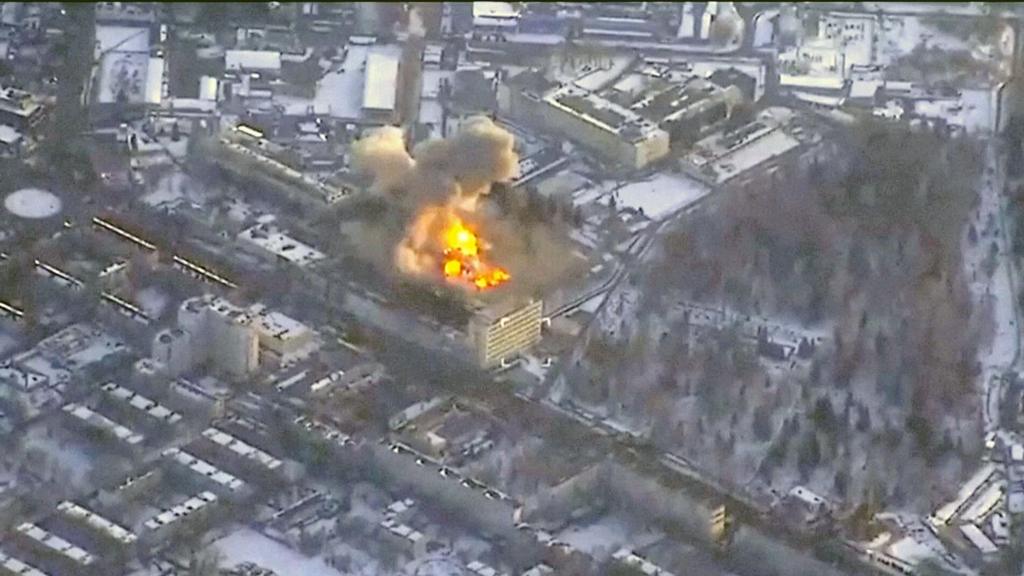
Amidst sirens and the constant threat of missile strikes, a generation of young Iranians is redefining the meaning of resilience. As geopolitical tensions escalate in the region, with incidents like recent exchanges of fire between Iran and Israel, daily life in cities such as Tehran, Isfahan, and Shiraz unfolds under a shadow of uncertainty. Yet, far from being paralyzed, many citizens, especially those aged 18 to 35, have developed extraordinary coping mechanisms, blending normality with preparedness for the worst.
The context is complex. Iran faces severe economic pressures due to international sanctions, galloping inflation, and deepening diplomatic isolation. This is compounded by the risk of open armed conflict, which has led authorities to conduct civil defense drills and install early warning systems in urban areas. According to data from the Tehran Center for Strategic Studies, approximately 65% of the population under 30 has experienced at least one traumatic event related to airstrikes or military threats in the past five years. This chronic stress shapes behaviors and priorities.
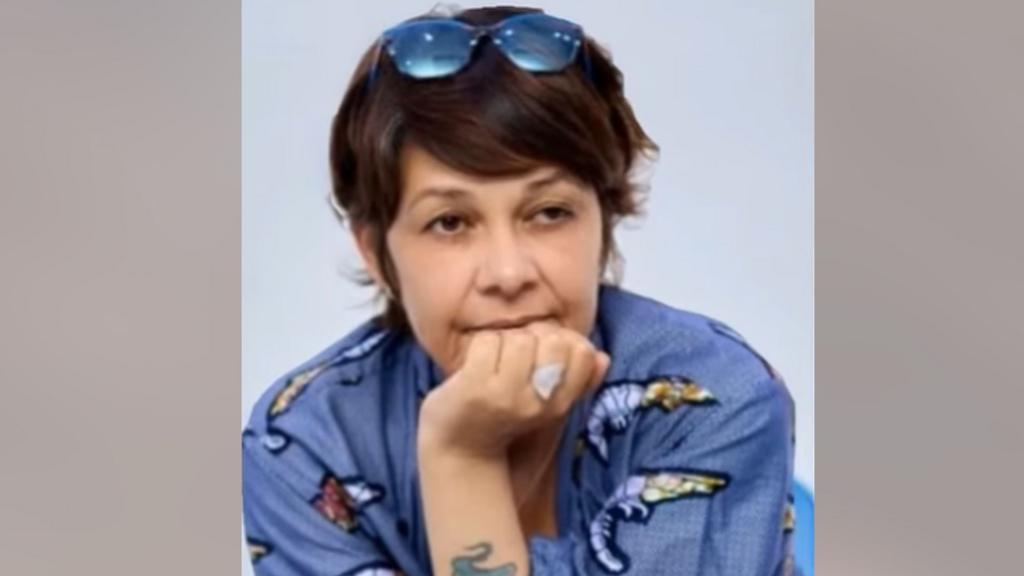
'We go out for coffee, study for exams, even organize small parties, but always with a ready backpack near the door,' recounts Sara, a 24-year-old architecture student in the capital, who preferred not to give her last name for safety reasons. 'There's an app on the phone that gives real-time alerts. When it sounds, everything stops. Afterwards, if the danger passes, we simply continue. It's like a blinker in our reality,' she adds. This duality is common. On social media, hashtags like #LivingUnderMissiles and #TehranNormalcy show contrasting images: selfies in trendy cafes alongside photos of makeshift air-raid shelters in basements.
Social psychology experts, such as Dr. Reza Hamedani from the University of Tehran, explain that this adaptation is a form of psychological resistance. 'Young people have created a narrative of control within chaos. Maintaining routines – going to the gym, attending online classes, meeting friends – is a political and personal act of defiance. It's not that they ignore the danger; they integrate it,' he states. However, he warns of long-term consequences: generalized anxiety, sleep disorders, and a sense of an uncertain future that affects decisions about starting a family or career projects.
The economic impact is also palpable. Young entrepreneurs have adapted businesses. One example is 'Café Bunker,' a space in downtown Isfahan that functions as a cafe but features a reinforced shelter and hosts workshops on first aid. 'We don't want people to just fear; we want them to prepare, but also to live,' says its founder, Arash Mohammadi, 29. Concurrently, demand for online mental health services has skyrocketed, with teletherapy platforms reporting a 300% increase in consultations since last year, according to the Iranian Association of Psychologists.
In the cultural sphere, film, music, and literature produced by this generation reflect this bifurcated reality. Underground film festivals screen documentaries about life during bombardments, while Iranian pop incorporates samples of sirens and alert messages into its rhythms. It is an artistic expression that documents and, at the same time, exorcises fear.
The conclusion is that, in the face of extreme adversity, Iranian youth is writing an unofficial manual of modern survival. It is not about heroism, but about a daily stubbornness to preserve fragments of normality. 'War is not just explosions; it is the waiting, the uncertainty. We decide to fill that waiting with life, in spite of everything,' concludes Sara. As international tensions continue their course, this generation will persist in its complicated dance between existential risk and the determination to live, demonstrating that human resilience can flourish even in the most arid soils of geopolitics.