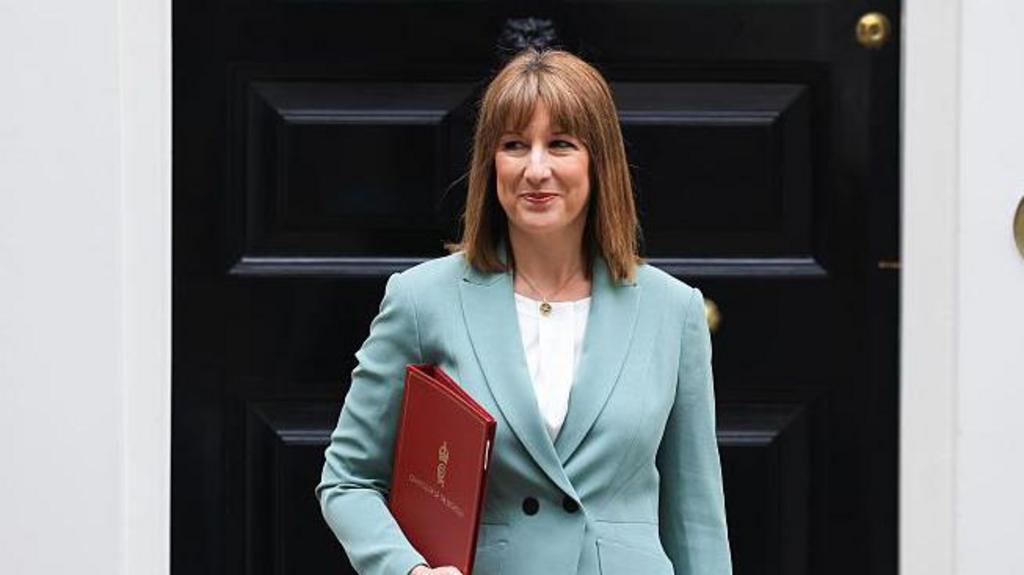
The UK government is gearing up for one of the key events in its fiscal calendar: the Spring Statement. Delivered by the Chancellor of the Exchequer, this event serves as an interim update between the main Autumn Budgets, providing a review of economic forecasts and, at times, announcing adjustments to fiscal policy. In a context of persistently high inflation, weak economic growth, and ongoing cost-of-living pressures, this statement takes on exceptional relevance for millions of households and businesses across the United Kingdom.
Traditionally, the Spring Statement is held in March, and this year Chancellor Jeremy Hunt is expected to address the House of Commons in the latter half of the month. The exact date is usually confirmed with a few weeks' notice, but the parliamentary calendar and historical conventions point to a Wednesday in mid-to-late March. This event is more concise and typically contains fewer major announcements than the Autumn Budget, but in times of economic crisis it can transform into a platform for significant measures.
The potential content of the Statement is the subject of intense speculation among analysts, lobby groups, and the political opposition. The economic backdrop is complex: while inflation has fallen from its peaks, it remains above the Bank of England's 2% target. Economic growth is anemic, and the country technically entered a recession at the end of 2023. Furthermore, the tax burden is at its highest level in decades, limiting the Chancellor's room for maneuver for significant cuts. However, there are calls for relief, particularly on income tax and national insurance.
Among the measures that could be announced, cuts to income tax or national insurance contributions top the list of possibilities. The Conservative government has expressed its desire to cut taxes responsibly, and a second cut to National Insurance contributions, following the one implemented in January, is a likely option. However, experts from the Institute for Fiscal Studies (IFS) warn that any cuts must be credibly funded, possibly through cuts to public spending in future years, to not jeopardize fiscal stability. 'The headroom for significant tax cuts is extremely limited,' recently stated Paul Johnson, director of the IFS, in a widely quoted remark.
Another area of potential action is support for families with energy costs. Although the Energy Price Cap has fallen, bills remain substantially higher than before the crisis. Specific support measures could be extended or reshaped. There is also pressure to address the 'fiscal cliff edge' of Child Benefit, where families with one parent earning over £50,000 begin to lose this benefit, a threshold that has not been updated for years. A reform or increase of this limit would be a popular measure aimed at working middle-income families.
The impact of the Spring Statement will be immediate. Financial markets will closely watch the projections from the Office for Budget Responsibility (OBR) on growth, debt, and the deficit. Any significant deviation from the government's self-imposed fiscal rules could generate volatility. For the public, announcements on taxes will determine the money available in their pockets in an election year. For the government, this Statement is a crucial opportunity to define its economic narrative ahead of the general election, which must be held by January 2025 at the latest.
In conclusion, the 2024 Spring Statement presents a delicate balancing act for Jeremy Hunt. He must reconcile the political desire to offer tax relief with the economic realities of weak growth and high public debt. It is unlikely to be a budget of big surprises, but it is a vital thermometer for the direction the government intends to take in the final months of the parliament. The decisions made, or deferred, will resonate not only in the economy but across the UK's political landscape.