In a significant turn that relieves pressure on humanitarian operations in Palestinian territories, an Israeli court has ordered a temporary pause on the threat of a ban against several non-governmental organizations (NGOs) operating in Gaza and the West Bank. The judicial decision, issued by the Jerusalem District Court, suspends for 30 days an order from Israel's Defense Ministry that sought to declare these entities as 'illegal organizations,' accusing them of maintaining ties with groups considered terrorist by the State of Israel. This provisional measure offers a crucial respite to the agencies distributing food, medicine, and vital assistance to a civilian population facing one of the most severe humanitarian crises in recent decades.
The context of this legal dispute dates back to months of growing tensions between the Israeli government and the international aid community. Israeli authorities have argued that certain NGOs, under the guise of humanitarian work, divert funds and resources to finance activities of groups such as Hamas in Gaza or militant factions in the West Bank. However, the affected organizations, which include well-known international and local entities, have categorically denied these accusations, calling them unfounded and politically motivated. 'Our work is purely humanitarian and governed by the principles of neutrality and impartiality,' declared a spokesperson for one of the NGOs under scrutiny, who requested anonymity for fear of reprisals.
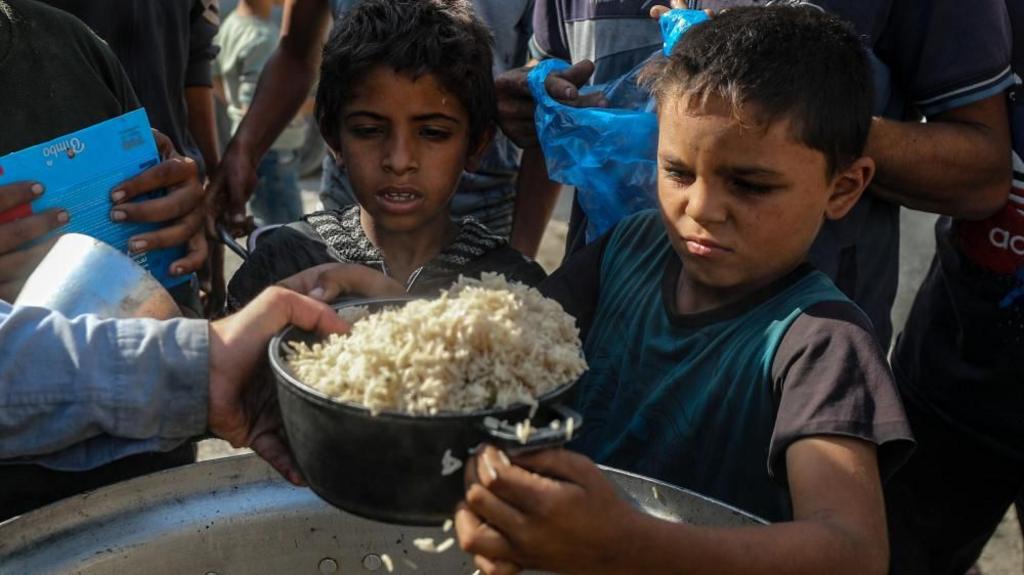
Data on humanitarian aid in the region underscores the urgency of the situation. According to United Nations reports, over 80% of Gaza's population depends on international assistance for daily survival, with unemployment rates exceeding 50% and an economy on the brink of collapse. In the West Bank, although conditions are slightly less extreme, thousands of Palestinian families rely on food aid programs, medical care, and psychosocial support provided by these organizations. The potential ban had raised alarm among diplomats and UN agencies, who warned that an abrupt interruption of services could trigger a humanitarian catastrophe of massive proportions.
The court decision does not constitute a final ruling on the merits of the case but rather a precautionary measure. The court has given the Israeli state one month to present concrete evidence supporting its accusations, while the NGOs will have the opportunity to refute such evidence. Israeli legal experts note that this timeframe reflects the seriousness with which the court is handling the matter, demanding higher evidentiary standards before allowing an action that would have devastating humanitarian consequences. 'The court is sending a clear message: decisions of this magnitude cannot be made based solely on general assertions,' explained human rights lawyer Talia Sasson, who has been closely following the case.
The impact of this judicial pause is immediate and tangible. Aid organizations can continue their operations without the imminent threat of shutdown, allowing for the continuous distribution of essential supplies. This is particularly critical in Gaza, where the health system, already weakened by years of blockade and recurrent conflicts, struggles to cope with the needs of a population suffering from high rates of malnutrition and disease. The decision has also been met with relief by international donors, including several European governments, who fund much of these operations and had expressed deep concern over the potential restrictions.
However, the future remains uncertain. The next 30 days will be a period of intense legal and diplomatic activity. NGOs will have to prepare detailed defenses, possibly presenting financial audits and on-the-ground testimonies to demonstrate the exclusively humanitarian nature of their work. Simultaneously, international pressure is likely to remain high, with calls for Israel to ensure that any security measures do not undermine essential humanitarian efforts. The conclusion of this judicial process could set an important precedent for civic space and the operation of civil society organizations not only in the Palestinian territories but in conflict contexts worldwide. For now, the judicial lifeline offers a respite, but the legal and political storm is far from over.