Elon Musk's artificial intelligence startup, xAI, faces another key departure from its leadership team. According to sources close to the company confirmed, another one of its co-founders has decided to leave the project, adding to a trend of exits that has marked the firm's first few months of operation. This move raises questions about the internal stability and strategic direction of one of the most-watched AI companies at the moment, which competes directly with giants like OpenAI, a company Musk himself helped found years ago.
The context of this departure is set in an extremely competitive and fast-moving AI ecosystem. xAI launched in July 2023 with the stated mission to "understand the true nature of the universe," seeking to develop an artificial intelligence that is "maximally curious" and aligned with humanity. Musk recruited an initial team of top-tier researchers and engineers, many from DeepMind, OpenAI, Google Research, and the University of Toronto. However, keeping an elite talent group cohesive amid a fierce hiring war and pressure to deliver products has proven to be a monumental challenge.
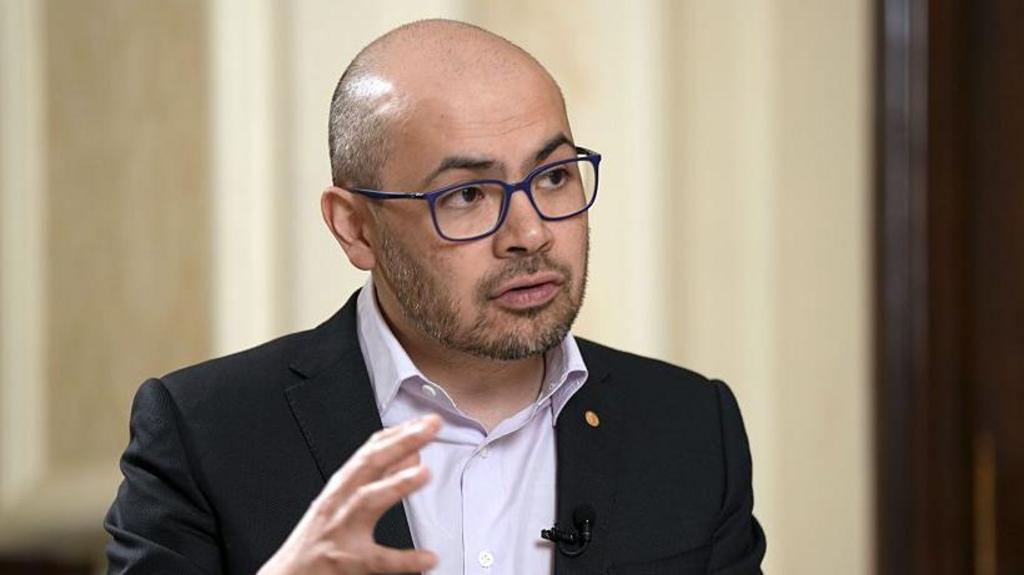
Although the identity of the departing co-founder has not been officially disclosed by the company, industry data suggests it is a technical figure with experience in large language models. The departure follows the earlier exit of another founding member late last year, hinting at potential internal tensions over vision, development pace, or research philosophy. Elon Musk has been vocal about his concerns regarding AI risks, advocating for more cautious and regulated development, a stance that could clash with commercial ambitions and rapid launch schedules.
"Turnover in early stages is not unusual in high-profile startups, especially in AI, where demand for talent far outstrips supply," commented technology analyst Dr. Anya Sharma from the Institute for Future Studies. "But two co-founder departures in less than a year is a red flag. It suggests fundamental disagreements at the table. For xAI, which seeks to position itself as an ethical and powerful alternative to OpenAI, leadership consistency is critical." So far, Elon Musk and xAI spokespeople have not issued detailed public statements about the departure, beyond confirming the transition and wishing the individual well.
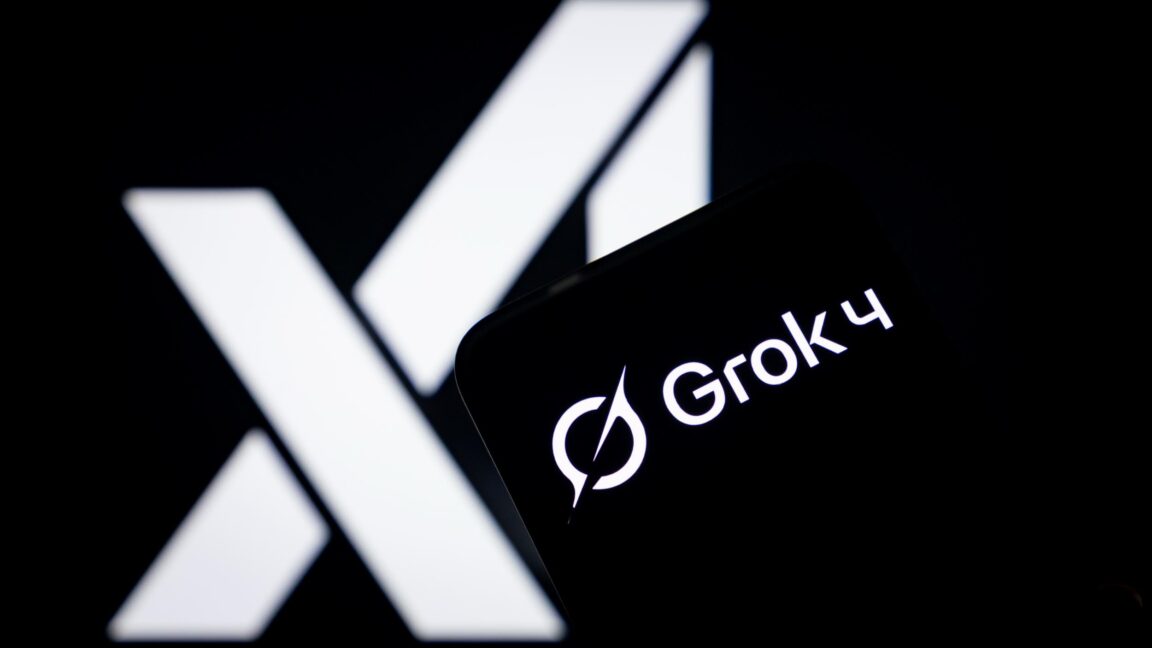
The impact of this exit is multifaceted. Internally, it may affect team morale and delay roadmaps for key products, such as Grok, the chatbot integrated into the X platform (formerly Twitter). Externally, it weakens the narrative of xAI as a stable, like-minded collective, just as it needs to attract more investment and talent to compete. Rivals could leverage this perception of instability to recruit other valuable employees. Furthermore, it raises doubts among early users and developers who are considering building on Musk's AI infrastructure.
In conclusion, the departure of another xAI co-founder underscores the intense pressures and potential philosophical conflicts existing at the forefront of artificial intelligence research. As Elon Musk navigates his vast business empire spanning Tesla, SpaceX, Neuralink, and X, the sustained attention and cohesive management required to launch an elite AI startup are being tested. The future of xAI will depend on its ability to stabilize its core leadership, articulate a clear and compelling vision, and deliver tangible technological advances that justify the initial hype. Otherwise, it risks becoming a footnote in the history of the current AI revolution, overshadowed by more stable and focused competitors.