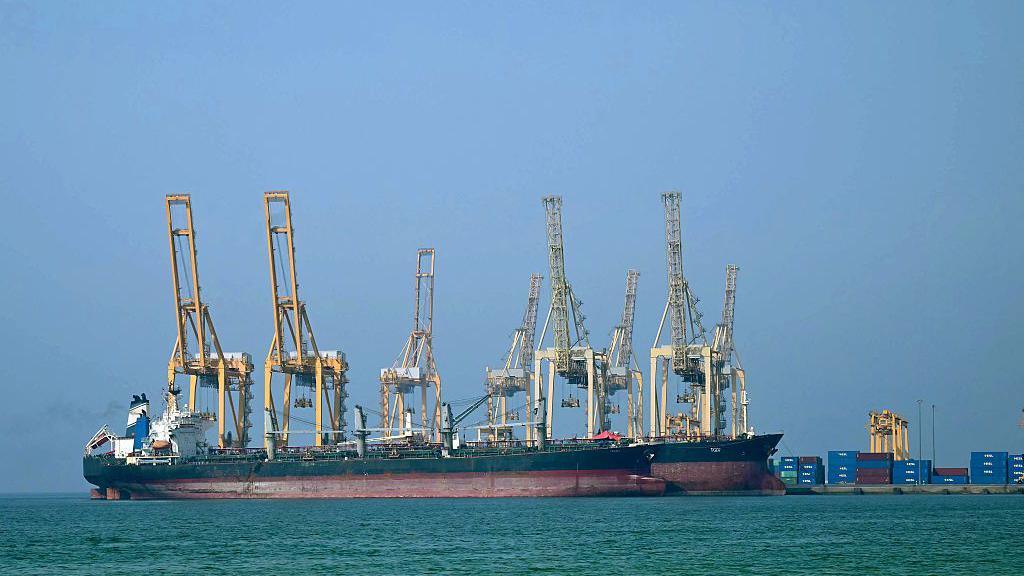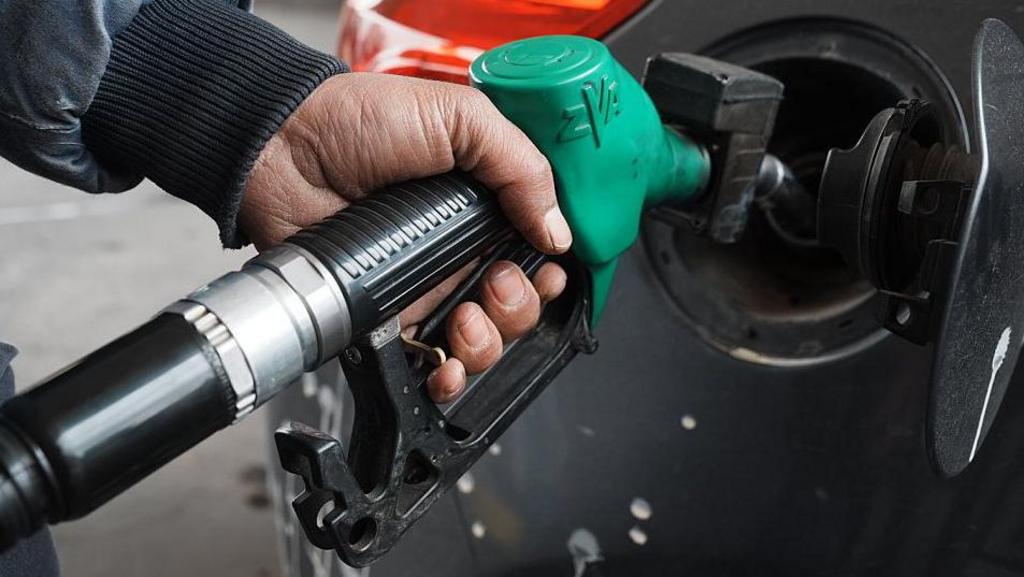
Global energy markets have been rocked by a fresh escalation of tension in the Middle East, following statements from senior Iranian officials directly threatening the security of maritime traffic in the strategic Strait of Hormuz. The price of Brent crude, the international benchmark, has experienced a sharp spike of over 3% in London and New York trading sessions, breaking through the psychological barrier of $90 per barrel and approaching highs not seen since October of last year. This movement reflects the extreme sensitivity of markets to any disruption in one of the world's most critical oil supply arteries, through which approximately 20% of global oil transits.
The context of these threats lies within the protracted regional conflict and escalating tensions between Iran and the West, particularly regarding its nuclear program and support for militant groups in the area. The commander of the Islamic Revolutionary Guard Corps (IRGC) Navy, Alireza Tangsiri, was blunt in stating that 'if we are prevented from using the Strait of Hormuz, we will close it.' This declaration, broadcast via Iranian state media, is a reiteration of a long-standing threat but gains new urgency in the current geopolitical climate, marked by the war in Gaza and proxy group attacks on shipping in the Red Sea.
Analysts from firms like Goldman Sachs and Rystad Energy have noted that the risk of an actual disruption, while considered low to medium probability, has a disproportionate impact on prices due to the limited cushion in global supply. OPEC+ maintains production cuts, and the strategic reserves of consumer countries, such as the United States, are not at optimal levels. A closure of the Strait of Hormuz, even partial, could remove millions of barrels per day from the market, triggering a supply crisis and a price spike that could easily exceed $120 per barrel, with devastating inflationary effects for the global economy.
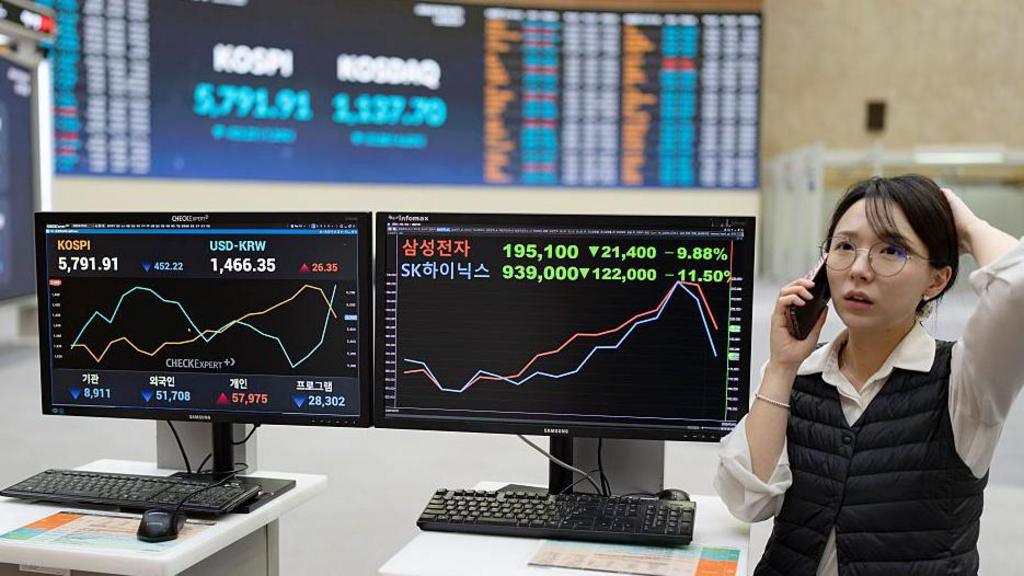
The immediate impact has been felt in futures markets and in the shares of major oil companies, which have risen on stock exchanges. However, the more concerning effect is for net oil-importing economies, especially in Asia and Europe. Countries like India, Japan, and South Korea, which rely heavily on maritime imports from the Gulf, are monitoring the situation with high alert. The European Union, still seeking to decouple from Russian gas, is also vulnerable to a new energy crisis. G7 finance ministers have expressed concern over energy price stability, underlining it as a fundamental pillar for post-pandemic economic recovery and for containing inflation.
In conclusion, Iran's recent rhetorical escalation acts as a potent reminder of the fragility of global energy supply chains and how geopolitics continues to be the primary driver of volatility in crude markets. As Western powers assess their diplomatic and military options to deter any action disrupting free passage, traders are bracing for increased volatility. The stability of oil prices in the coming months will depend not only on fundamental supply and demand but, crucially, on the ability of regional and international actors to contain a crisis that would have planetary-scale economic repercussions.