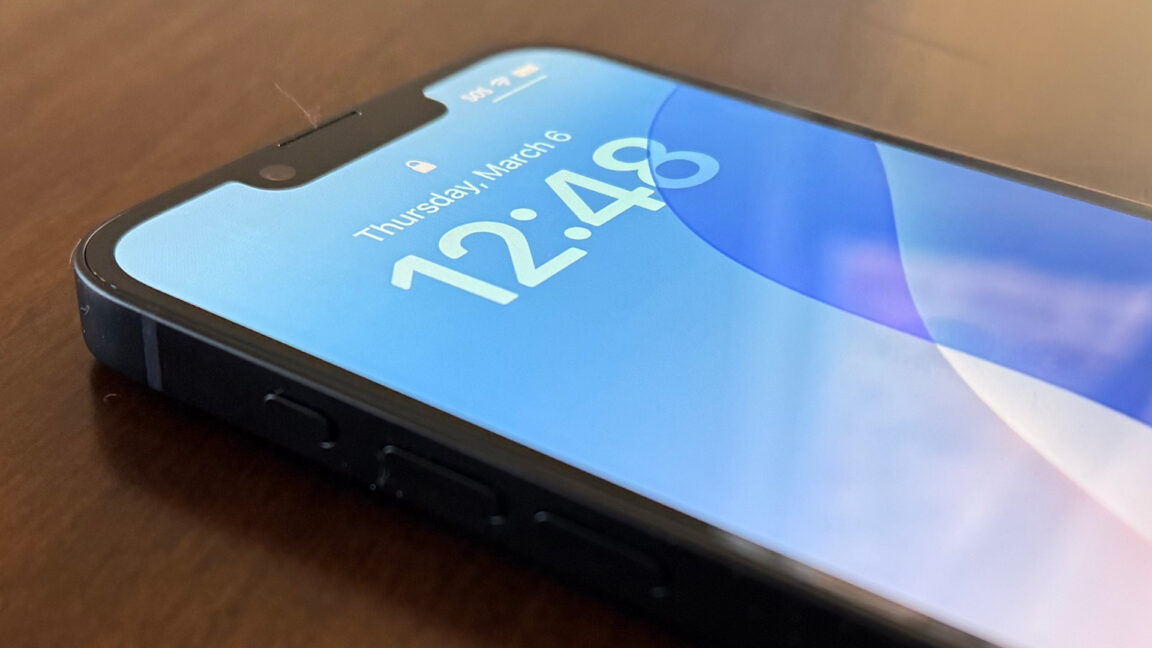
The technology industry is bracing for a new wave of innovation from Apple, according to recent reports detailing a series of imminent hardware updates. The Cupertino-based company is said to be preparing the launch of new high-end MacBook Pro models, a refreshed range of iPads across various price segments, and, significantly, a more affordable variant of its flagship, tentatively dubbed the iPhone 17e. This strategic move suggests an effort by Apple to bolster its presence on all market fronts, from creative professionals and businesses to price-sensitive consumers looking to enter the iOS ecosystem.
The context of these launches is crucial. The personal computer market has undergone a post-pandemic reconfiguration, with sustained demand for high-performance machines for hybrid work and content creation. The MacBook Pro, powered by Apple Silicon chips, has redefined expectations for power and efficiency. The next iteration, expected to maintain the 14-inch and 16-inch formats, will likely introduce the next generation of M-series processors (possibly the M4 series), promising significant leaps in CPU and GPU performance, especially for AI tasks and rendering. Display improvements, such as higher peak brightness and more refined mini-LED technology, are also on the speculation list.
On the iPad front, Apple seeks to revitalize a line that has seen more incremental evolution. Reports point to updates for both the iPad Pro and the base and iPad Air models. The iPad Pro could finally receive OLED display technology, offering deeper blacks and superior contrast, bringing it even closer to a laptop-grade viewing experience. For the more affordable models, the focus would be on updating internal processors (possibly M2 or M3 chips for the Air) and making design refinements, making the iPadOS ecosystem more attractive to students and casual users. The clear strategy is to segment the market with powerful options for professionals and accessible options for mass consumption.
The mention of the "iPhone 17e" is perhaps the most revealing from a market perspective. The letter "e" has historically denoted an "economy" variant within the iPhone line, as seen with the iPhone SE. This anticipated model would be part of the iPhone 17 generation, expected in late 2025. Its goal would be to offer key software and ecosystem features of Apple at a lower price point, competing directly with mid-to-high-range Android devices. It would likely prioritize a powerful chip (perhaps a prior-generation A18 or A19) in a chassis with a possibly recycled design, sacrificing some camera or display features to keep costs low. This play is a direct response to saturation in the high-end smartphone market and growing competitive pressure globally.
The impact of these updates will be multifaceted. For consumers, it means more choices and a potential democratization of Apple technology. For competitors, especially in the Windows laptop and Android tablet spaces, it represents a renewed challenge in terms of performance and ecosystem integration. For Apple investors, it reinforces the narrative of a robust and diversified product portfolio, less dependent on the cycles of a single device. Furthermore, a more affordable iPhone could be key to driving growth for services like Apple TV+, Arcade, and iCloud, by expanding the installed user base.
In conclusion, Apple's upcoming hardware cycle paints an ambitious and strategically diversified picture. It's not just about launching more powerful products, but about methodically covering all market segments. By updating its elite MacBook Pros, refreshing its iPad line for different needs, and developing a more accessible iPhone, Apple aims to consolidate its dominance and drive growth in a complex economic environment. These launches, when they materialize, will redefine competitive standards in their respective categories and offer consumers more nuanced decisions when investing in technology.