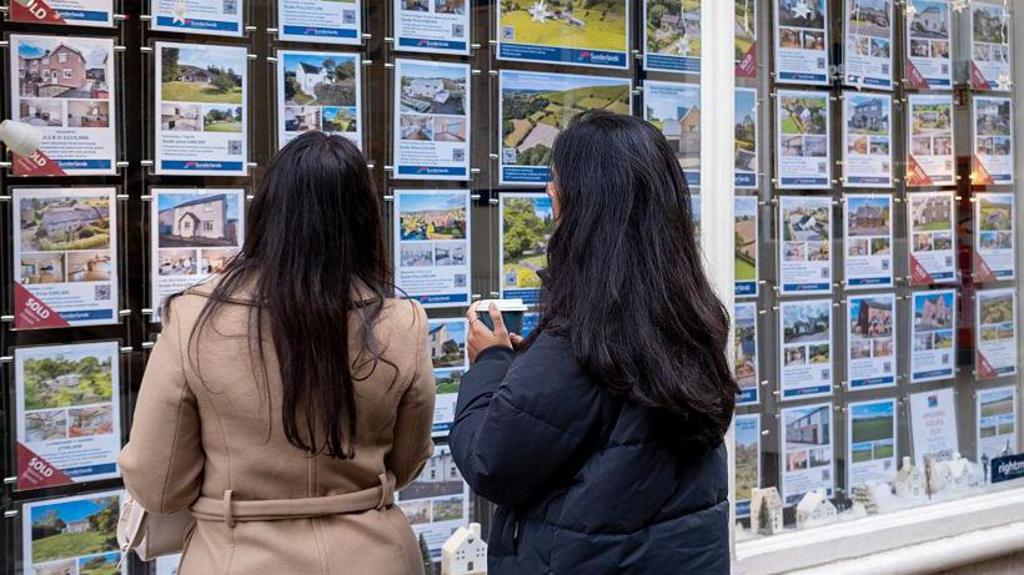
The UK housing market has reached a historic, yet potentially daunting, milestone. According to the latest index from lender Halifax, the average price of a home in the United Kingdom has surpassed the £300,000 mark for the first time. This figure, described by the institution itself as a "milestone," reflects the intense upward pressure that has characterized the sector over the past year, driven by a combination of factors including persistent housing shortages, fierce buyer competition, and a pandemic-induced shift in household preferences. The increase represents an annual rise of 9.8%, meaning the average property value has increased by over £28,000 in the last twelve months.
The context for this record is complex. The COVID-19 pandemic triggered a mass re-evaluation of housing needs, with many buyers, empowered by the possibility of remote work and a desire for more space, seeking larger properties, often outside major urban centres. This demand, concentrated at a time of extremely limited supply, has been the primary engine of price inflation. Furthermore, factors such as historically low interest rates—though now rising—and government policies like the temporary Stamp Duty holiday during 2021 injected additional momentum into the market. However, this latter fiscal incentive has now ended, making the sustained upward momentum all the more notable.
Relevant data paints a picture of widespread, yet uneven, growth. The region with the strongest annual growth was the South West of England, with a 14.2% increase, followed by Wales at 13.8%. In contrast, London, while remaining the most expensive market with an average price hovering around £547,000, recorded the slowest growth in the country at a modest 3.1%. This divergence underscores the "race for space" and search for value in other regions. On a monthly basis, prices rose 1.4% in February, continuing a streak of eight consecutive months of gains.
Statements from experts reflect a mix of awe and concern. Kim Kinnaird, Director of Halifax Mortgages, stated: "Hitting £300,000 is a significant milestone for the UK housing market. However, it is undeniable that this poses an increasing challenge for first-time buyers trying to get their foot on the property ladder." Kinnaird also warned of headwinds ahead, noting that "the war in Ukraine is adding further uncertainty to the global economic outlook, with overall inflation and the rising cost of living putting significant pressure on household incomes. This is likely to act as a brake on housing demand over the coming months."
The impact of this new record is profound and multifaceted. For existing homeowners, particularly those with substantial equity, it represents a significant boost to their net wealth. However, for aspiring buyers, especially the young and those without family assistance, the barrier to entry has been raised to levels many deem unattainable. The ratio of average house prices to average earnings has been stretched even further, exacerbating the affordability crisis. This threatens to deepen generational and socioeconomic divides, entrenching a society split between property haves and have-nots, with the latter often dedicating an unsustainable portion of their income to housing costs.
In conclusion, the average UK house price crossing the £300,000 threshold is a powerful symbol of an overheating market. While it reflects the underlying resilience and demand in the sector, it also serves as a stark warning bell about the growing inaccessibility of homeownership for a large portion of the population. The immediate future will be determined by the interplay of opposing forces: the inflationary pressure on living costs and the likely continued rise in interest rates from the Bank of England, which could cool demand, versus the chronic structural shortage of new homes that continues to underpin prices. The challenge for policymakers will be monumental: to find ways to increase the supply of affordable housing without triggering a sharp market correction that could have wider economic consequences.