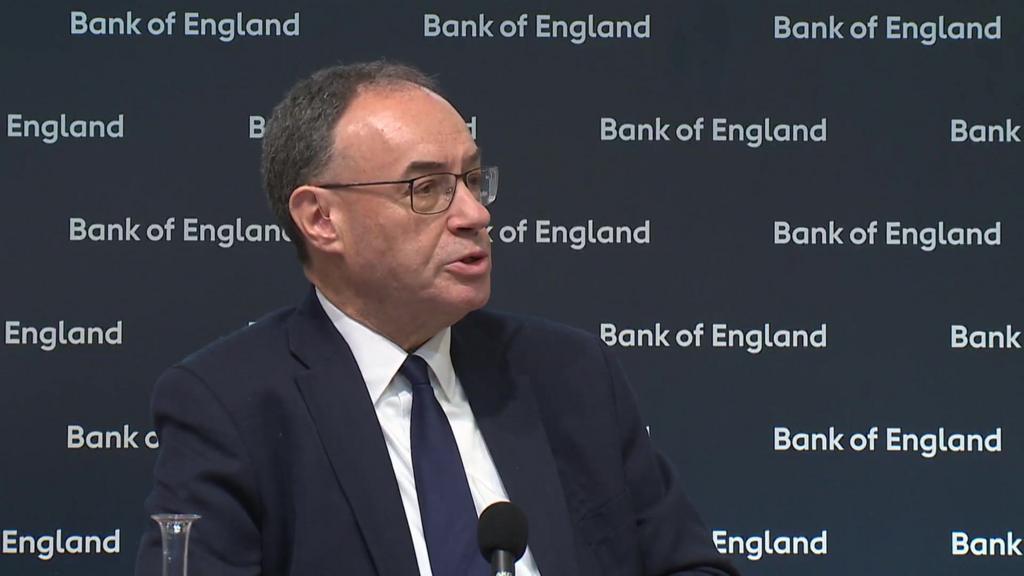
Bank of England Governor Andrew Bailey has publicly expressed his profound dismay and surprise following the revelation of a series of emails exchanged between former British minister Peter Mandelson and the late American financier Jeffrey Epstein. The communications, dating back to the peak of the 2008 global financial crisis, have come to light through journalistic investigation, raising serious questions about the nature of relationships between high-level political figures and an individual later convicted for sex trafficking. Bailey, when questioned by a parliamentary committee, described his reaction as one of "genuine shock," underscoring the gravity of such exchanges coinciding with a moment of extreme vulnerability for the world economy.
The context of these emails is critical. In 2008, the global financial system was on the brink of collapse. The Bank of England, alongside the UK Treasury and other institutions, was fighting a daily battle to prevent a total depression. Peter Mandelson, at the time the Secretary of State for Business, Enterprise and Regulatory Reform in Gordon Brown's government, was a key figure in the UK's crisis response. Jeffrey Epstein, meanwhile, was a financier with a network of contacts among the global elite, whose true criminal nature would not become fully public until years later. The revelation that a direct line of communication existed between the two during this sensitive period has sparked a political and ethical firestorm.
Specific details of the emails' content have not been fully disclosed, but they are understood to have covered topics beyond mere social exchange. Sources familiar with the investigation indicate that matters related to the economic situation were discussed, though the extent and tone of these discussions are under scrutiny. Andrew Bailey emphasized that, in his view, any substantive contact with a figure like Epstein while carrying out such high-level public duties was "deeply problematic" and raised perceived conflicts of interest. "The absolute priority at that time had to be financial stability and protecting the public interest, not private connections with individuals of questionable morality," Bailey stated to lawmakers.
The impact of these revelations is multifaceted. Firstly, it damages the reputation of Peter Mandelson, one of the most influential figures of New Labour, who has faced controversy in the past. In subsequent statements, a spokesperson for Mandelson said the contacts were "limited" and primarily related to philanthropic matters, vehemently denying any inappropriate discussion of economic policy or any knowledge of Epstein's criminal activities at the time. Secondly, it puts under the microscope the culture of discretion and informal networks that often operate at the highest levels of power during crises. Experts in governance and public ethics have pointed out that this case highlights the need for greater transparency and stricter protocols regarding whom policymakers communicate with at critical junctures.
The inevitable conclusion is that this episode adds another layer of complexity to the already controversial legacy of the 2008 financial crisis management. While economic historians dissect the technical decisions of that era, the revelation of personal links to an infamous figure like Jeffrey Epstein introduces a sordid element into the narrative. Governor Bailey's reaction reflects a broader institutional unease. Although there has been no suggestion that the emails influenced policy decisions, the mere appearance of a relationship is enough to erode public trust. This case serves as a stark reminder that integrity and transparency are as vital during a national emergency as in times of calm, and that scrutiny of leaders' personal associations is a necessary component of democratic accountability.