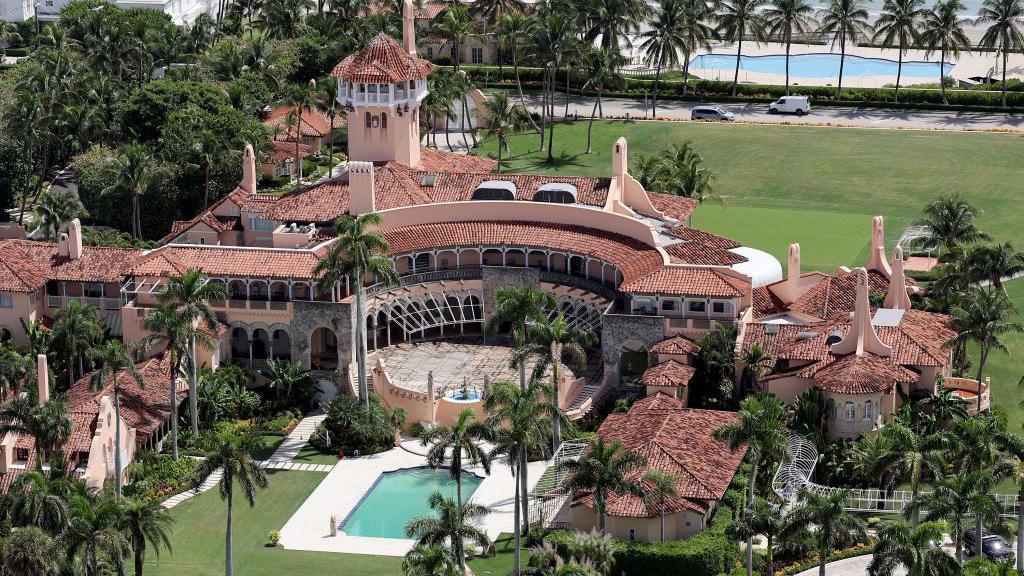
A high-profile security incident unfolded near the Florida residence of former President Donald Trump, resulting in the death of an armed individual who attempted to breach the security perimeter. According to an official statement from the United States Secret Service, the event occurred in the early morning hours when the subject, whose identity has not been immediately released, managed to access a restricted area on the Mar-a-Lago property in Palm Beach. Secret Service agents, upon detecting the intrusion and perceiving an imminent threat after observing the individual was carrying a firearm, proceeded to neutralize him. The individual died at the scene. No injuries were reported among security personnel, residents, or former President Trump, who was on the property at the time.
The context of this event falls within a period of heightened political tension and persistent concerns about the safety of public figures in the United States. Mar-a-Lago, which functions as both a private residence and a social club for Trump, has been the site of numerous events and has maintained a reinforced security apparatus since the former president left the White House. This incident highlights the ongoing challenges faced by protection agencies, particularly at properties that are not traditional federal facilities like the White House, but which house former commanders-in-chief who remain polarizing figures and potential targets.
Relevant data indicates that threats against former presidents and presidential candidates have shown a concerning trend in recent years. The Secret Service, mandated by law to protect former presidents and their families for life, as well as major presidential candidates, handles thousands of threat cases annually. While specific operational details of the security setup at Mar-a-Lago are confidential, it is known to include layers of perimeter protection, electronic surveillance, and rapid response teams. The speed with which the threat was neutralized suggests protocols were activated as planned, though the investigation will determine if there were prior failures that allowed the initial access.
So far, official statements have been measured. A Secret Service spokesperson stated: 'Secret Service agents responded to an intrusion into a secure area. The individual was armed and posed a threat. Necessary actions were taken to neutralize the threat and protect the protectees. A full investigation is underway in coordination with local authorities.' For his part, an advisor to Donald Trump issued a brief statement indicating that 'the former president is safe and grateful for the swift and professional response of the men and women of the Secret Service.' Authorities in Palm Beach County, including the sheriff and the medical examiner's office, have confirmed their involvement in the post-incident investigation.
The impact of this occurrence is multifaceted. First, it reignites the debate over security levels and resource allocation for the protection of former presidents, a topic that often sparks budgetary discussions in Congress. Second, it has immediate political implications, given that Donald Trump is the presumptive Republican nominee for the upcoming presidential election. Any security incident involving him is scrutinized under a political microscope, with potential effects on public perception and the campaign's tone. Finally, the event serves as a somber reminder of the risks public figures face in the current era and the dedication required from security agencies.
In conclusion, the death of an armed intruder on the perimeter of Mar-a-Lago underscores the persistent and tangible nature of security threats in American political life. While Secret Service protocols appear to have worked to prevent a greater tragedy, the incident will inevitably raise questions about prevention and the potential evolution or persistence of tactics by would-be assailants. The ongoing investigation will shed light on the intruder's motives and any possible security gaps, information crucial for future protective measures not only for Trump but for the entire national security apparatus dedicated to safeguarding its leaders.