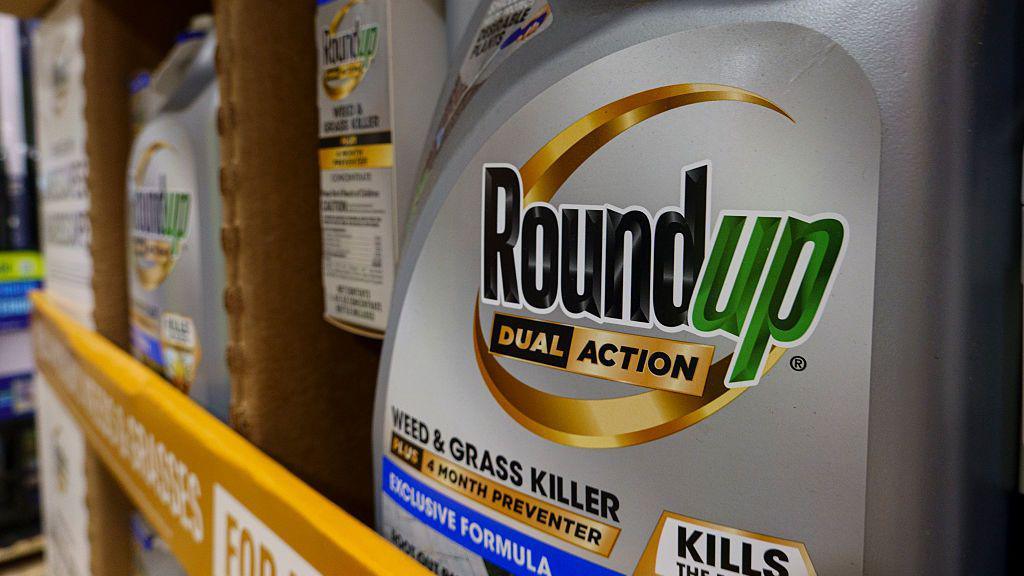
In a landmark move to end years of litigation that have clouded its reputation and financial standing, German pharmaceutical and agrochemical giant Bayer AG has announced a massive settlement offer worth up to $7.25 billion. The deal aims to resolve tens of thousands of lawsuits in the United States alleging that its Roundup weedkiller, whose active ingredient is glyphosate, causes cancer, specifically non-Hodgkin's lymphoma. This proposal represents one of the largest consumer product litigation settlements in history and marks a crucial turning point for the company, which inherited the controversy with its $63 billion acquisition of Monsanto in 2018.
The context of this settlement is complex and spans decades. Roundup, introduced by Monsanto in the 1970s, became the world's most widely used herbicide, fundamental to modern agriculture and home lawn care. Its safety was called into question in 2015 when the International Agency for Research on Cancer (IARC), a branch of the World Health Organization, classified glyphosate as "probably carcinogenic to humans." This classification triggered a flood of litigation in the U.S., where plaintiffs, mostly groundskeepers and farmers, argued that Bayer and Monsanto failed to adequately warn about the risks. The company has consistently maintained that glyphosate is safe, citing regulatory approvals from agencies like the U.S. Environmental Protection Agency (EPA).
Relevant data from the settlement is significant. The $7.25 billion offer is divided into several parts. Approximately $6 billion is earmarked to resolve between 75,000 and 85,000 existing lawsuits. Up to an additional $1.25 billion is reserved for a separate agreement with plaintiffs' lawyers to establish a fund and an independent scientific panel that, over a four-year period, will study whether glyphosate causes non-Hodgkin's lymphoma and, if so, at what exposure levels. This mechanism, unusual in mass settlements, aims to create a scientific resolution for future claims. Bayer has also set aside a financial provision of $2 billion for potential adverse legal outcomes or additional costs.
In official statements, Bayer CEO Werner Baumann said, "The decision to resolve the Roundup litigation in the U.S. is the right strategic move for our company. It resolves the greatest uncertainty and allows the company to focus fully on driving our business and our mission 'Health for all, Hunger for none'." On the other side, plaintiffs' attorneys, such as Leigh O'Dell, co-chair of the Roundup litigation committee, stated, "This settlement is a significant achievement for our clients and ensures they receive meaningful compensation and that a process is established to evaluate any future claims fairly and efficiently."
The impact of this settlement is multifaceted. For Bayer, it removes a massive cloud of legal uncertainty that has sunk its market value by over 40% since the Monsanto acquisition. The company can now redirect resources from legal defense to research and development. However, the settlement is not an admission of liability, and Bayer continues to defend the safety of Roundup for use according to label instructions. For the agrochemical industry, the case sets a precedent for corporate liability and risk communication. For global regulators, it intensifies the debate over glyphosate risk assessment, which remains legal in most countries, including the European Union, albeit with growing restrictions.
In conclusion, Bayer's $7.25 billion settlement offer is a monumental effort to close an extremely costly and damaging chapter for its brand. While it resolves most pending lawsuits in the U.S., the scientific and regulatory controversy over glyphosate is far from over. The establishment of an independent scientific panel could provide a more definitive resolution for future litigation but could also reignite public debate if its findings contradict current regulatory stances. The settlement represents a pragmatic compromise, prioritizing financial certainty over absolute legal victory, and underscores the enormous risks major corporations face when product safety science becomes a battleground in courts and public opinion.