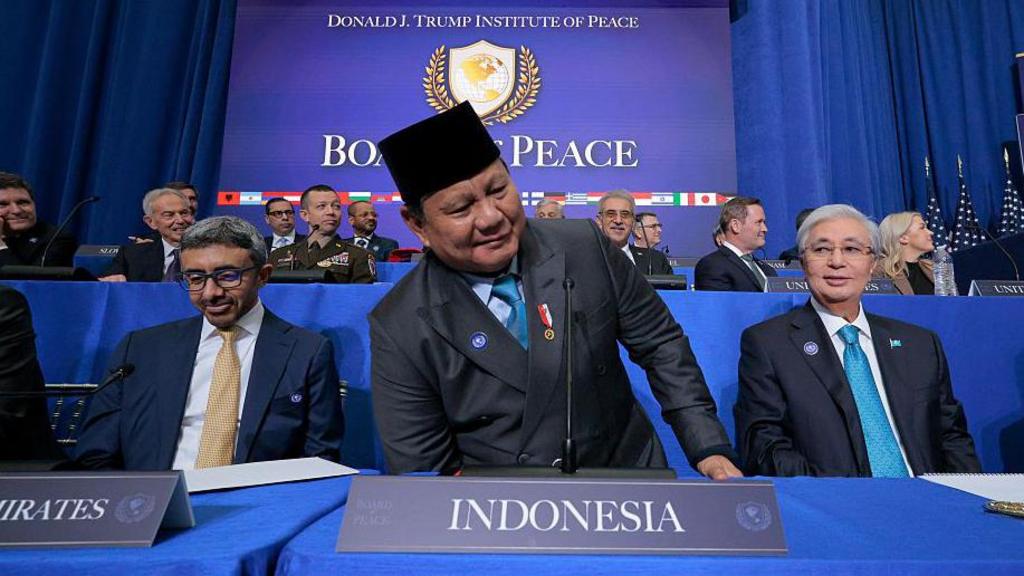
In a significant move for transpacific trade relations, the governments of the United States and Indonesia have announced the finalization of a bilateral agreement that will substantially reduce tariffs applied to a wide range of products. The pact, the result of months of intense negotiations, establishes a tariff ceiling of 19% for numerous goods traded between the two nations, marking an important step towards trade liberalization and the deepening of economic ties in a region of vital strategic importance. This agreement fits within a global context of supply chain reconfiguration and efforts by Washington to strengthen economic partnerships in the Indo-Pacific, countering the influence of other powers such as China.
The context of this agreement is complex and multifaceted. Indonesia, as the largest economy in Southeast Asia and a founding member of ASEAN, has historically sought to diversify its trade relations and attract foreign investment. For its part, the United States, under successive administrations, has promoted the vision of a "free and open Indo-Pacific," where fair and reciprocal trade agreements play a central role. The tariff reduction to 19% will affect key sectors such as agricultural products (including palm oil, coffee, and spices), manufactured goods, technological components, and textiles. This cut is expected to stimulate the flow of goods, reduce costs for consumers and businesses, and generate new market opportunities for exporters from both countries.
Relevant data indicates that bilateral merchandise trade between the United States and Indonesia exceeded $30 billion in 2023. The United States is one of the top destinations for Indonesian exports, while Indonesia represents a growing market for U.S. capital goods, agricultural products, and services. The agreement includes provisions on rules of origin, customs facilitation, and commitments on intellectual property and labor practices, reflecting a modern approach to trade treaties that goes beyond simple tariff reduction. Economic analysts project that the pact could increase bilateral trade volume by 10-15% over the next five years, boosting economic growth at both ends of the Pacific.
Official statements have underscored the strategic nature of the agreement. U.S. Trade Representative Katherine Tai stated, "This agreement with Indonesia strengthens our economic partnership with a key democracy in the Indo-Pacific. It not only reduces trade barriers but also sets high standards that promote fair competition and protect workers." From Jakarta, Trade Minister Zulkifli Hasan declared, "This is a historic achievement that will benefit our producers, especially small and medium-sized enterprises. It opens the doors to the U.S. market more widely and predictably, which is crucial for our economic development strategy." These statements reflect the political and economic importance both governments attach to the pact.
The impact of the agreement will be considerable at multiple levels. For Indonesia, it will facilitate access for products like palm oil (a controversial but economically vital sector) to the U.S. market under more favorable conditions, which could ease pressures on its trade balance. For the United States, companies in technology, agricultural machinery, and pharmaceuticals will see reduced barriers to entering the archipelago of over 270 million inhabitants. Regionally, the agreement could serve as a catalyst for future negotiations between the U.S. and other ASEAN members, revitalizing economic integration initiatives in the Indo-Pacific. However, the pact may also face criticism from domestic sectors in both countries that fear external competition, requiring government efforts to manage economic transitions.
In conclusion, the finalization of the tariff agreement between the United States and Indonesia represents a milestone in 21st-century trade architecture. Beyond the 19% figure, it symbolizes a renewed commitment to rules-based trade and a strategic partnership between the world's largest economy and a rising demographic and economic power in Asia. If implemented effectively, the agreement has the potential to generate inclusive growth, strengthen supply chain resilience, and send a powerful signal about the importance of international economic cooperation at a time of geopolitical tensions. Future success will depend on the ability of both countries to translate the opportunities of the legal framework into tangible benefits for their citizens and businesses.