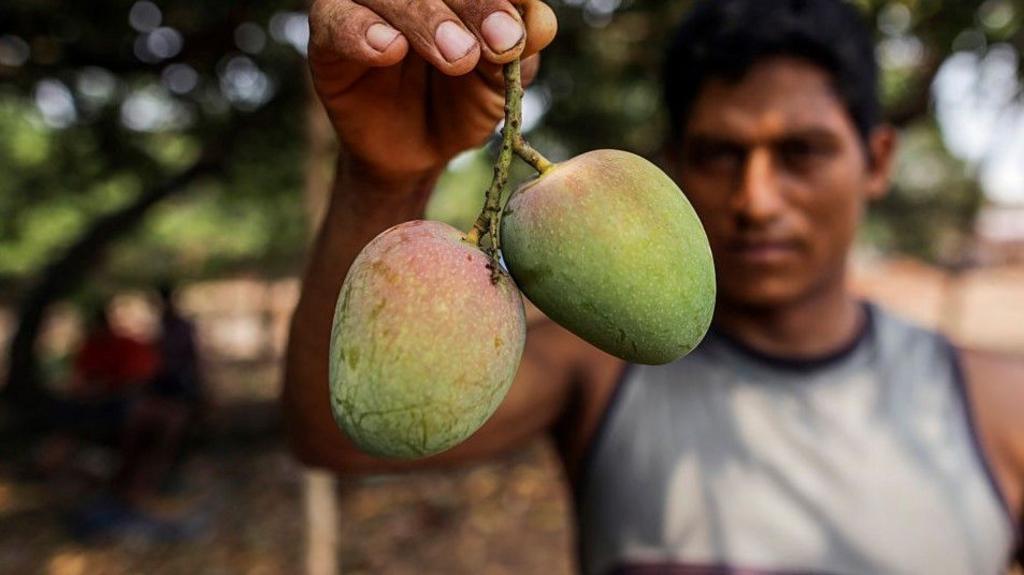
The global mango industry, valued at billions of dollars, is in the midst of a quiet yet profound transformation. For centuries, the cultivation of this tropical fruit has relied on traditional methods passed down through generations. However, pressure from a growing population, the threat of climate change, and the demand for sustainability are driving unprecedented modernization. This shift is not just about producing more, but about doing so smarter, more efficiently, and more environmentally friendly, ensuring the future viability of a sector crucial to the economies of many developing nations.
The context for this modernization is complex. Mango is the fifth most cultivated tropical fruit in the world, with production led by India, China, Thailand, Mexico, and Indonesia. Traditionally, practices have included intensive water use, reliance on chemical pesticides, and harvesting that often depends on intuition and visual experience. These methods, though entrenched, are increasingly unsustainable. Water scarcity, soil degradation, and price volatility in the international market demand a reinvention. Modernization, therefore, spans from genetics and crop management to post-harvest logistics and traceability for the end consumer.
Relevant data underscores the urgency. It is estimated that up to 40% of the mango harvest is lost due to pests, diseases, and improper post-harvest handling. The crop's water footprint is significant. Modernization seeks to address these weaknesses. Implementing drip and micro-sprinkler irrigation systems can reduce water consumption by 30% to 60%. The use of soil moisture sensors and on-farm weather stations enables precision irrigation. On the plant health front, drones equipped with multispectral cameras can identify water stress or outbreaks of diseases like powdery mildew or anthracnose before they are visible to the human eye, allowing for localized interventions and reducing agrochemical use.
Statements from field experts reinforce this trend. "Precision agriculture is no longer a luxury for mango; it's a necessity to compete," says Dr. Ana Silva, a researcher in tropical fruit growing. "We are seeing accelerated adoption of drought-resistant rootstocks and shorter-cycle varieties, developed through conventional and cutting-edge breeding techniques. The key is resilience." Meanwhile, producers like Rajiv Patel from Gujarat, India, share their experience: "Installing sensors in my orchard and receiving alerts on my phone has changed everything. I used to irrigate when I thought it was necessary, now I do it when the tree really needs it. I have increased my yield and reduced my costs."
The impact of this modernization is multifaceted. Economically, it increases productivity and fruit quality, translating into better prices for farmers and greater competitiveness in demanding export markets in Europe and North America. Socially, it can make farming more attractive to younger generations, reversing rural migration. Environmentally, climate-smart agricultural practices contribute to water conservation, soil health, and the reduction of greenhouse gas emissions. Digital traceability, through QR codes on labels, empowers the consumer, who can learn about the origin and cultivation process of their mango.
In conclusion, modernizing mango farming is a comprehensive process that goes beyond simple mechanization. It is the convergence of biotechnology, data science, IoT (Internet of Things) connectivity, and agroecological practices. This path is not without challenges, such as the high initial cost of technology and the need for training for producers. However, the transition towards precision mango cultivation is inevitable and vital. It will not only secure the future supply of this beloved fruit worldwide but also set a precedent for the sustainable modernization of other tropical crops, demonstrating that tradition and innovation can, and must, bear fruit together.